Pig farm murder: Olivier alleges threats, requests transfer back to prison
Accused farmer Zacharia Olivier told the Limpopo High Court he faced threats in police cells, requesting a return to prison for his safety.
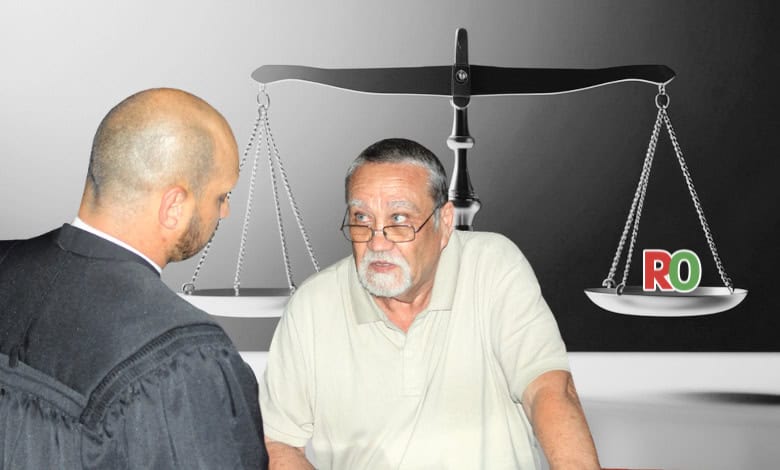
POLOKWANE – The safety of Onverwacht farmer Zacharia Olivier, accused of killing two women and feeding their bodies to pigs in Sebyaeng, came under the spotlight during his appearance at the Limpopo High Court in Polokwane last Thursday.
Accused alleges ‘severe threats’ in cells
Olivier reportedly informed his lawyer, Adv Jakobus Venter, that he had been subjected to “severe” threats of sexual assault while in police holding cells the previous night.
He had been held at the Polokwane police cells last Wednesday to facilitate travel logistics after his case was postponed, instead of being returned to prison, where he is usually detained. Venter requested that the court order that Olivier be returned to prison for his own safety.
State prosecutor Adv George Sekhukhune confirmed the threats and agreed to adjourn earlier so Olivier could be transported back to prison. The court instructed investigating officer Captain Phaladi Makola to ensure the transfer.
Background of the trial
Olivier faces serious charges, along with former employee William Musora and a Zimbabwean farmworker, including murder, attempted murder and defeating the ends of justice. On August 17 last year, the 45-year-old Maria Makgatho and 34-year-old Lucodia Ndlovu were among a group scavenging for expired pig feed at Olivier’s farm.
Olivier and farm supervisor Rudolph de Wet are said to have shot at the group. The others fled, but Makgatho and Ndlovu were killed and reportedly thrown into a pigsty.
De Wet has since turned state witness.
The court also heard that Olivier seemingly confessed to being solely responsible for the killings while claiming he was bankrupt and could not afford a lawyer when making a Section 217 statement.
Olivier and Musora have pleaded not guilty, and the court is currently hearing a trial-within-a-trial to determine whether the confession can be admitted as evidence.
Lieutenant Colonel Simon Mafokadovha from the police’s Capricorn district detectives testified that the confession was obtained legally and voluntarily at the Botlokwa Police Station.
“He was not assaulted or coerced. He willingly signed the statement after I gave him the opportunity to read it,” Mafokadovha told the court, adding that no promises were made in exchange for the confession.
Olivier’s lawyer, Venter, however, challenged the officer’s account during cross-examination. He said Olivier was uncomfortable with the wording of the statement, particularly the use of the word “murder”, and claimed the statement had been rewritten without Olivier reviewing it. Mafokadovha denied these claims, insisting the confession reflected Olivier’s account accurately.
Venter accused Makola of dishonesty, claiming Olivier had been told he and Musora would be released if he confessed – a claim Makola denied, saying Olivier himself had claimed responsibility.
The court is now carefully considering whether the confession was made freely and voluntarily, a decision that will significantly affect the outcome of the case.