R3 bus fare hike pushes Limpopo commuters to the brink
Great North Transport's R3 fare increase has sparked protests in Polokwane as low-income commuters say they can no longer afford to get to work.
POLOKWANE – For Polokwane’s lower-middle-income workers, a R3 increase per trip is not a small fare adjustment; it’s the difference between food on the table and getting to work.
For households surviving on salaries close to or below R10 000 a month, the increase means less money for food, school supplies and household bills.
Salaminah Modiba, a domestic helper in Bendor, said she may have to ask her employer to increase her transport allowance, even though she fears it could threaten her job.
“They may think I am growing a big head, even when times are clearly tough because I won’t manage to pay for transport and my family’s needs.”
Modiba added that although some commuters walk from Seshego to town to save money, she fears for her safety, especially during winter.
“I would also walk like others who do from Seshego, but it is now winter, and my safety would be compromised. I have heard horrid stories,” she said.
‘The stress eats at my well-being’
Another commuter, Lynette Maboa from Extension 71, said the fare increase had added to her financial stress after her employer reportedly informed staff that salaries may be cut by half by August.
“I don’t even think cutting down on our lifestyle as a single mother of two, one being a student, would be enough for me to cover my transport needs. I am so affected, the stress eats at my well-being,” she said.
Protesters block buses
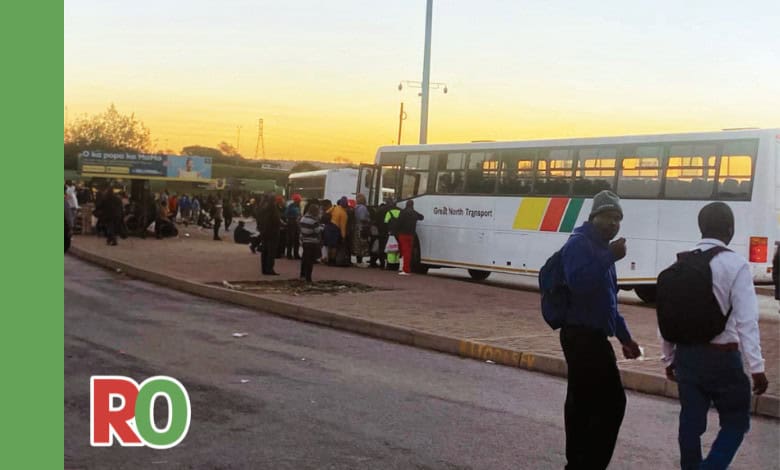
The frustration boiled over last Tuesday when hundreds of Great North Transport (GNT) commuters blocked buses at the downtown bus rank.
The protest was against fare hikes on routes to Seshego and the surrounding areas. Fares increased from R12 to R15 on May 1, but commuters claim they were only informed when buses arrived on Tuesday morning.
“We were ambushed,” said Philip Mabapa, spokesperson for the GNT commuters’ forum.
Mabapa said commuters were frustrated that the new bus fares now matched taxi fares, defeating the purpose of subsidised public transport.
By the afternoon, protesters had stopped buses from operating until GNT agreed to engage with them later that evening.
Monthly ticket holders spared – for now
Passengers who had already bought monthly tickets at the old rate were allowed to continue using them until expiry.
Cash-paying commuters, however, said the increase was unaffordable and had not been budgeted for.
The protest continued until about 10:30 PM outside the Leeto La Polokwane bus depot downtown.
Why the increase happened
Leo Gama, spokesperson for the Limpopo Economic Development Agency, said the increase was necessary because of rising fuel costs.
Without the increase, he warned, the bus service could collapse.
He acknowledged that notices about the fare changes were displayed too late for commuters to prepare.
Gama also said confusion worsened because GNT announced its increase before taxi associations revealed their own fare adjustments.
Taxi fares also going up
Taxi operators later confirmed that from May 18, some fares would rise to between R17 and R20 on routes into town from nearby areas.
Also read: Fuel hikes drive up taxi and bus fares in Limpopo