
From 25L to 16: The shrinking value of R500 at the pumps
How far can you drive on 16.6 litres? That's all R500 is likely to buy you this October. Here's what it means for your commute and your budget.
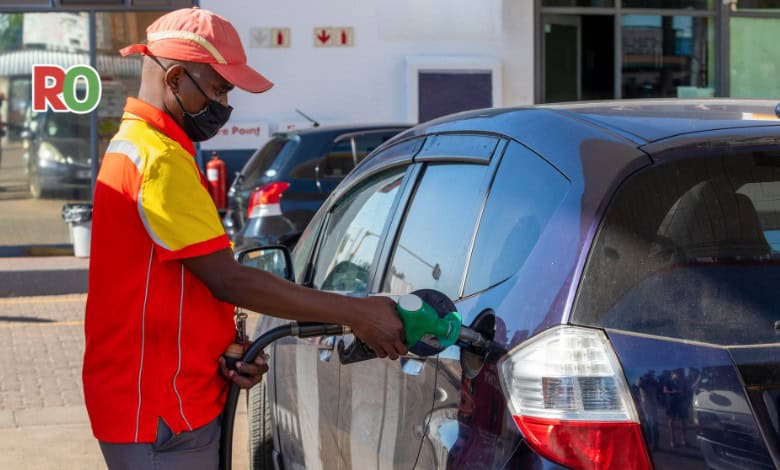
POLOKWANE – R500. It is a round number, a manageable amount, a figure many motorists budget for a week or so’s worth of driving.
YOU MIGHT ALSO LIKE: What does R500 actually buy you in 2026?
The starting point: R500 in fuel
At the beginning of 2026, fuel prices were at their lowest in nearly four years. In February, petrol cost R19.99 per litre. By October, projections from the Central Energy Fund point to a price of approximately R30.13 per litre, a record high.
In February, R500 could buy approximately 25L of petrol, but with October’s projected increases, the number is down by a third at just 16.6L.
Turning litres into km
Of course, litres mean little without context. What matters is how far those litres take you.
Using real-world fuel consumption figures for four different size cars, here is the approximate range R500 buys:
| Vehicle Type | Consumption | Range on R500 (Oct) |
| Small car (Suzuki Swift) | 5.2 L/100km | +/- 319km |
| Average hatchback (VW Polo) | 6.1 L/100km | +/- 272km |
| Compact SUV (Toyota Starlet Cross) | 6.7 L/100km | +/- 248km |
| Double-cab bakkie (Ford Ranger) | 6.8 L/100km | +/- 244km |
ALSO READ: October petrol price hikes could push petrol above R29
Turning kms into days
For a commuter driving at least 30km a day, five days a week, R500 translates into a finite number of working days.
| Vehicle Type | Working days |
| Small car | +/- 10.6 days |
| Average hatchback | +/- 9.1 days |
| Compact SUV | +/- 8.3 days |
| Double-cab bakkie | +/- 8.1 days |
*Based on a 30km daily commute.
A small car owner can stretch R500 across two working weeks. A bakkie driver will need to refuel before the second week is done.
What your monthly commute actually costs
Starting with R500 is one way to frame it. Working backwards is more sobering.
ALSO READ: Petrol prices could smash R30 a litre in October
Take the same commuter: 30km a day, five days a week, roughly 22 working days a month. That is 660km of driving per month.
| Vehicle Type | Cost per month (Feb) | Cost per month (Oct) | Increase |
| Small car | Around R690 | Around R1 034 | +R344 |
| Average hatchback | Around R808 | Around R1 211 | +R403 |
| Compact SUV | Around R888 | Around R1 331 | +R443 |
| Double-cab bakkie | Around R901 | Around R1 350 | +R449 |
At the projected October price, driving to work and back could cost a small car owner over R1 000 a month in fuel alone, up from under R700 in February.
For a household with two cars, or a family that includes school runs, shopping trips, and weekend errands, the real monthly fuel bill is significantly higher. A bakkie owner doing the school run and commuting could easily spend R2 000 or more on petrol each month.
For Limpopo households already stretching every rand, the arithmetic is unforgiving. The same R500 that bought nearly 25 litres in February will buy just over 16 litres in October. The commute that cost R800 a month will cost over R1 200. And the small car that could reach Tzaneen and back on a tank now barely manages the trip one way.