
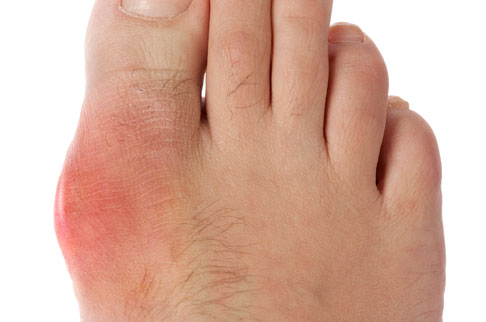
Gout, a painful form of arthritis, has long been associated with diet, particularly the overindulgence of meat, seafood and alcohol.
As a result, gout treatment used to include severe dietary restrictions, which made the gout diet hard to stick to. Fortunately, a simple supplement to counteract the symptoms of gout has proved to work miracles and it reduced the need for a strict gout diet.
In many ways, the gout diet resembles the healthy eating plan recommended for most people. Besides helping you maintain a healthy weight and avoid several chronic diseases, this diet may contribute to better overall management of your gout.
Gout occurs when high levels of uric acid in your blood cause crystals to form and accumulate around joints. Your body produces uric acid when it breaks down purines. Purines occur naturally in your body, but you also get them from eating certain foods, such as organ meats, anchovies, herring, asparagus, mushrooms and sugary food.
Purpose:
A gout diet helps to control the production and elimination of uric acid, which may help prevent gout attacks or reduce their severity. The diet isn’t a treatment for gout, but may help you control your attacks. Obesity also is a risk factor for gout, so losing weight can help you lower your risk of attacks.
Diet details:
A gout diet reduces your intake of foods that are high in purines. If you’re overweight or obese, lose weight, but avoid fasting and rapid weight loss because these can promote a gout attack. Drink plenty of purified water to help flush uric acid from your body. Also avoid high-protein diets, which can cause you to produce too much uric acid (hyperuricemia).
To follow the diet:
Limit meat, poultry and fish. Animal proteins are high in purine. Avoid or severely limit high-purine foods, such as organ meat, herring, anchovies and mackerel. Red meat, fatty fish and seafood are associated with an increased risk of gout. Because all meat, poultry and fish contain purines, limit your intake to between 113g and 170g daily.
Eat more plant-based proteins. You can increase your protein by including more plant-based sources, such as beans, legumes and quinoa. This will also help you cut down on saturated fats, which contribute to obesity.
Limit or avoid alcohol. Alcohol interferes with the elimination of uric acid from your body. Drinking beer, in particular, has been linked to gout attacks. If you’re having an attack, avoid alcohol. However, when you’re not having an attack, drinking one or two (148ml) servings a day of wine is not likely to increase your risk.
Drink plenty of fluids, particularly water. Fluids can help remove uric acid from your body. Aim for eight (250ml) glasses a day. Choose low-fat or fat-free dairy products. Some studies have shown that drinking skim or low-fat milk and eating foods made with them, such as yogurt, help reduce the risk of gout. Aim for adequate dairy intake of (473 to 710ml) daily.
Choose complex carbohydrates.
Eat more whole grains and fruits and vegetables and fewer refined carbohydrates, such as white bread, cakes and candy.
Limit or avoid sugar. Too many sweets can leave you with no room for plant-based proteins and low-fat or fat-free dairy products — the foods you need to avoid gout. A sugary food causes acidity.
Recommended supplement. The supplement which can counteract gout attacks and helps with the excretion of uric acid is the highly effective Manna pH Balance or Life Tone.
Lizél Britz 072 243 7707



