
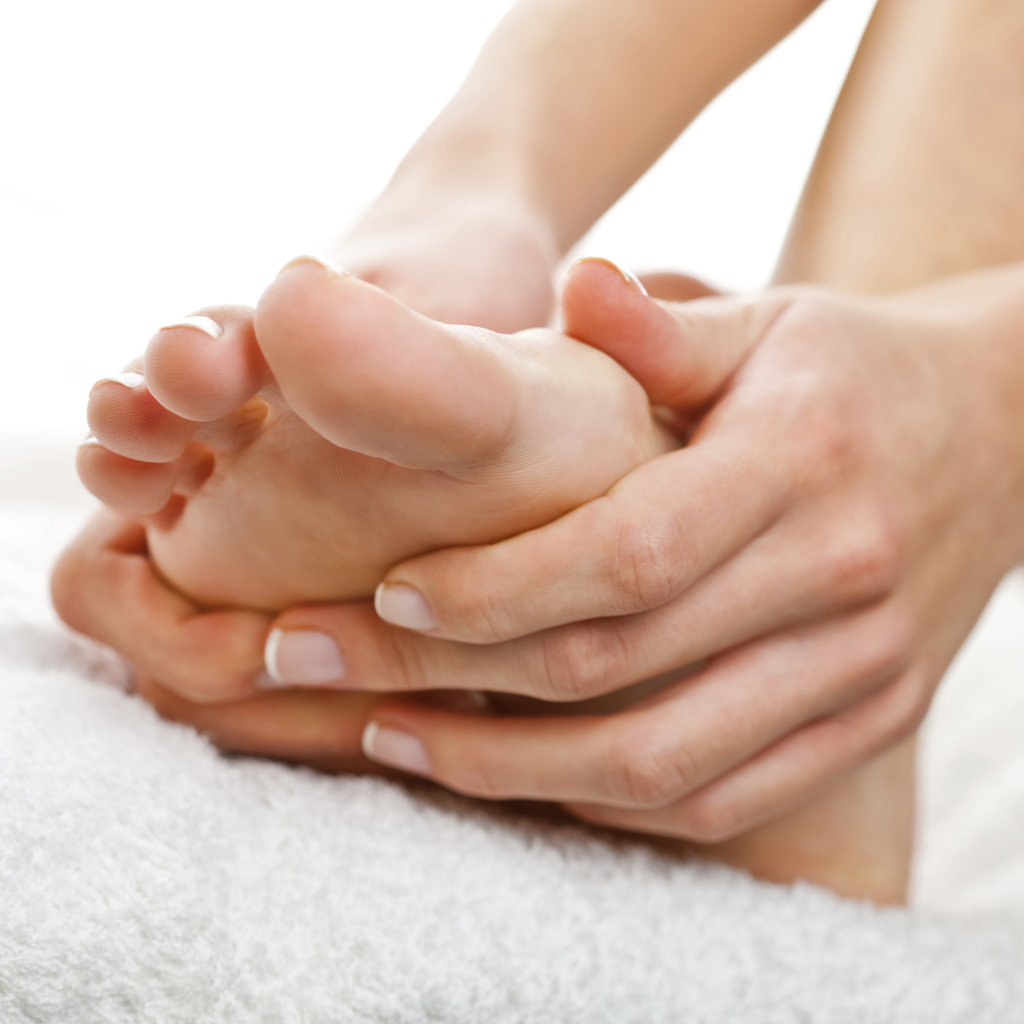
Poor circulation to the feet, known medically as peripheral vascular disease or PVD, is caused by blocked arteries and veins that supply blood to the extremities. The blood vessels most distant from the heart, called the peripheral vessels, can become blocked due to the build-up of plaque caused by atherosclerosis. Blocked peripheral vessels lead to a condition called ischemia, a lack of oxygen, to the muscles, which causes pain and cramping.
Symptoms of poor circulation
• Poor circulation in the feet can affect one side of the body or both and typically leads to the development of specific symptoms. Painful cramping in the calves or thighs, called intermittent claudicating, while walking or climbing stairs is an indication of poor circulation. The pain and cramping dissipate with rest
• There can be weakness or numbness of the foot. The skin can become red and shiny, having a noticeably cooler temperature along with a weak pulse.
• Sores may develop on the feet that are slow to heal.
• Hair and toenails may grow more slowly.
Consult your doctor immediately if you experience any one or more of these symptoms.
Having diabetes puts you at a higher risk than normal for developing poor circulation in your feet. Other risk factors include smoking, high blood pressure and high cholesterol levels, being overweight or not physically active, and having a family history of poor circulation or heart disease.
If left untreated or poorly managed, poor circulation in the feet can lead to the development of gangrene and the loss of toes or part of the foot.
Smoking and having diabetes are the two greatest risk factors for developing poor circulation in the feet, so quitting smoking and keeping diabetes well-controlled can help prevent advancement of the disease.
The Heart Association states having a regular exercise programme, controlling blood pressure and lowering cholesterol levels are lifestyles changes that can prevent the advancement of poor circulation.
Poor circulation makes the feet more prone to injury and developing infection.
Having a daily foot regimen can help to avoid some of these problems and a leg and foot massage is also helpful at keeping the symptoms at bay.
Those with poor circulation should keep their feet clean, bathing them daily with lukewarm water and a mild soap. The feet should be checked daily for corns, calluses and open sores.
Toenails should be trimmed regularly and shoe-gear should fit well and be comfortable. Any infections should be evaluated by a healthcare professional.
Lastly do some foot exercises, like walking on the toes, stretching your calf muscle and walking in the pool.
Lizel Britz 072 243 7707.