Residents of Govan Mbeki Municipality challenge proposed electricity tariff increase and demand answers
Residents voiced anger over a proposed electricity tariff increase, questioning how the municipality arrived at figures higher than the national regulator’s approval.
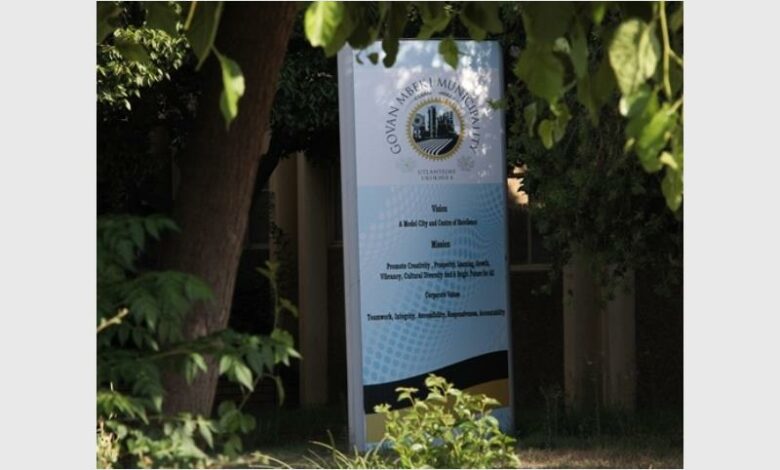
SECUNDA – Residents are unhappy with the Govan Mbeki Municipality’s (GMM) proposed 12.74% electricity tariff increase.
The proposed tariffs were to be implemented on July 1.
While the National Energy Regulator of South Africa approved an 8% increase, residents questioned how the municipality arrived at 12.74%.
Hennie Bekker, the district co-ordinator for AfriForum, said the proposed increase was excessive and that the organisation had requested cost-of-supply information from the GMM.
“The GMM is punishing paying residents to make up for those not paying and its failure to recover arrears,” said Bekker.
He also questioned what action was taken against GMM councillors who owed it thousands; some reportedly had arrears as high as R89 000, while others owed smaller amounts.
ALSO CHECK: Body found floating in the river at eMbalenhle
Mariaan Chamberlain, a DA councillor, said the proposed increase had not yet been discussed at a council meeting, so it could not be implemented.
The Ridge Times asked comment from the GMM on how they calculated the 12.74% tariff and Donald Green, the GMM media liaison and content development officer, explained.
He said the draft tariffs were provisional and subject to change, pending the regulator’s approval of Eskom’s tariff, which would affect the GMM’s final tariff structure.
“Nersa sets a benchmark or guideline for municipal increases (often around 9%), but municipalities may apply for a higher tariff adjustment based on specific financial requirements,” said Green.
“The 12.75% figure typically accounts for the price the municipality pays Eskom, which often increases after a lower price was communicated to the consumer.
“The municipality conducts a study to determine the actual cost of delivering electricity, including maintenance, infrastructure repairs and administrative costs.
“This proposal is then submitted to Nersa for specific approval during the budget process.”
Green further stated that the municipalitiy maintains a credit control and debt collection policy that applies to all residents, including municipal employees and councillors.
“Under the Municipal Systems Act, councillors may not be in arrears for municipal service charges for longer than three months.
“The municipality has the authority to deduct outstanding debt directly from the stipends or salaries of councillors and officials who are in arrears. This is monitored to ensure leadership sets an example for the community.”
On the questions of bridging and electricity theft, Green said while smart meters are the primary tool, the municipality uses additional methods to catch people who are bridging electricity.
ALSO CHECK: Aimeé-Anne returns to Standerton after years in the spotlight
“We compare the total electricity bought from Eskom for a specific area against the total units sold in that area. If there is a large gap or losses, we know illegal activity is occurring.
“Technical teams conduct door-to-door audits and if a meter is found bypassed, the supply is disconnected immediately.
“The new smart meters send an automated alert to the control room the moment the seal is broken or the casing is opened.
“Tampering with infrastructure is a criminal offence under the Criminal Matters Amendment Act. Heavy fees must be paid before service is restored when someone has tampered with electricity boxes.
“The municipality works with law enforcement to open criminal dockets for Theft of General Infrastructure. In recent months, several individuals have been apprehended for cable theft and illegal connections. We continue to urge the community to report these crimes to assist in further arrests.
ALSO CHECK: Azania residents continue to use makeshift bridge after pleas to GMM are ignored
Meanwhile, residents voiced frustrations on social media, questioning affordability, consultation processes and accountability, with many saying they struggled to cope with the existing costs and were considering solar and gas.
Londiey Skhosana: “Let’s just save money and install ama solar coz this is not on.”
Exodus Moses: “Wickedness at the highest level, paying for the sun?”
Storm Lundt: “Why are the GMM tariffs more than what the regulator approved?”
Soko:“ In other words, we are hereby giving all residents the right to bridge electricity.”
Dolly Masondo: “I’m considering using gas stoves and solar power. Can I update my account to reflect this change?”
Leo Mofokeng: “When you go that route, don’t bother telling them, cos the government want to charge people for the sun.”
Puleng Phadi Mondlane: “We are struggling as is. Did you think about that?”
Amos Nkwanyana: “Consult the community first.”
Phumz Gladness: “We already cannot afford electricity with those new meter boxes you installed. We don’t have jobs.”
Nkululeko Mohlabai Mohlabai: “This is what you discussed at the Lillian Ngoyi Stadium. How did you come up with 12%?”
Mvelo Vilakazi: “We are still struggling to buy electricity using R1 400 each month.”
Sidney Fortein: “So, we must just pay Eskom money that the ANC stole, and we must accept that there are no punishments or repercussions against these thieves, and again just accept these ridiculous tariffs while they continue looting. The solution is solar, but they have now created thiefy laws around that as well, so they can milk us further.”
Nkululeko Mohlabai Mohlabai: “Exactly how far is the GMM with Eskom payments? We’ve been paying mos, or did the money somehow disappear?”
Fortune Xolani: “This is rubbish. We are suffering as we speak with your electric unit, and there is no work.”