MPAC calls for investigation into R780 800 water tanker expenditure in Govan Mbeki Municipality
This stems from the expenditure on water tanker services during the January 2024 water crisis.
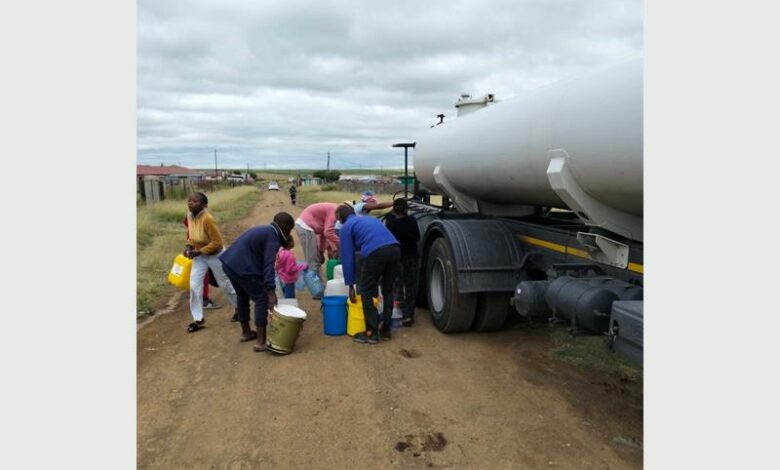
Delivering the Municipal Public Accounts Committee (MPAC) findings, chairperson Oupa Sibanyoni addressed the Govan Mbeki Municipality council during a meeting held on April 30 regarding the expenditure on water tanker services during the January 2024 water crisis.
Sibanyoni stated that the council had previously resolved, at its meeting on October 31, 2024, to acknowledge the report on the additional fleet used to supply water to residents within the Govan Mbeki Municipality.
The report, which reflected an associated expenditure of R780 800 (excluding VAT), was subsequently referred to MPAC for verification.
He further noted that the committee’s mandate is guided by the Municipal Structures Act, specifically Section 79A(3)(d) of Act 117 of 1998, which requires MPAC to consider and make recommendations on matters referred to it by council and other municipal structures.
“It is against this legislative framework that MPAC scrutinised the report on water tanker services rendered during January 2024,” said Sibanyoni.
During its investigation, MPAC raised several questions with the Mayoral Committee and municipal management.
Following its review, the committee made the following findings:
- Management failed to provide sufficient logbooks, making it difficult to verify whether water was actually delivered.
- The committee was misled by claims that councillors had signed off on water deliveries.
- There was no evidence of purchase orders for the water tanker services, despite the expenditure of R780 800.
Based on these findings, MPAC made the following recommendations:
1. Adequate monitoring measures, including complete logbooks and verified timesheets, must be implemented when water tankers are dispatched.
2. Invoices must be verified against actual deliveries.
3.Signed delivery notes from councillors in areas where water is delivered must be prioritised.
4. A forensic investigation into the water tanker expenditure must be conducted, with a report to be tabled before the council within 60 days.
5. Service Level Agreements for water tankers should be amended to allow billing per kilometre or per hour.
6. Management must develop a Standard Operating Procedure (SOP) to strengthen internal controls over water tanker services.
7. A detailed report on water tanker usage for the 2025/2026 financial year must be submitted.
The dispatch of water tankers followed a water crisis in January 2024, which affected the whole community of the Municipality after the Rand Water Bloemendal pump station stopped pumping water to the region on January 20, following a transformer at Eskom’s Strubensvale site that packed up.
The DA in the Govan Municipality has also called for a forensic investigation into R780,800 spent on water tankers during the January 2024 water crisis, citing serious concerns over accountability and possible irregularities.
According to DA councillor Lehlohonolo Madumise, a report on the use of water tankers was presented to council in October 2024 and he said nearly a year later, the municipality’s management has still failed to provide clear answers.
Madumise highlighted several discrepancies, including:
Truck registration numbers on water collection receipts do not match those of contracted service providers
No verifiable records showing how much water was delivered versus how much was collected
Payments to tanker companies are based on hours worked rather than actual deliveries, with no proof of completed trips.
He further noted that the only explanation provided so far is an email from a certain regional manager confirming water collection, which he argues is inadequate because there is no proper paper trail proving that the water reached residents.
The DA also raised concerns from the community, alleging that:
Water distribution has been inconsistent across areas. Some tanker operators were reportedly selling water instead of distributing it for free.
Certain individuals may have been prioritised unfairly. Madumise stressed the seriousness of the allegations, calling for a full forensic probe to be completed within two months to uncover the extent of what he described as a possible “syndicate” and to ensure accountability.
He warned that if the municipality fails to act, the DA will escalate the matter to the Mpumalanga Department of Co-Operative Governance, Human Settlements and Traditional Affairs.
“The people of Govan Mbeki deserve transparent, ethical governance—not leaders who abuse their power and resources meant to serve the community,” said Madumise.
eMbalenhle and Leandra community members have, on those days, decided to get water for their waterborne toilets from sewerage manholes.
Others dug holes in wetlands to get water, unaware of the results of using that water. In a statement, the municipality said it eventually dispatched water tankers on January 25, started supplying water to hospitals and clinics, and later to the communities.