Cancer-causing chemicals discovered in Klip River
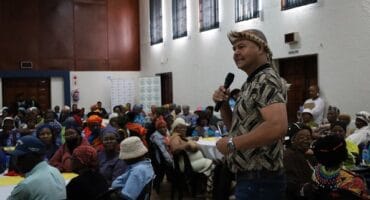
Prof Ambushe explained that PAHs, notorious for their persistence and toxicity, primarily originate ate from oil spills, industrial runoff, and leaking fuel tanks as well as from the burning of coal, waste, and biomass common in urban and informal settlements.
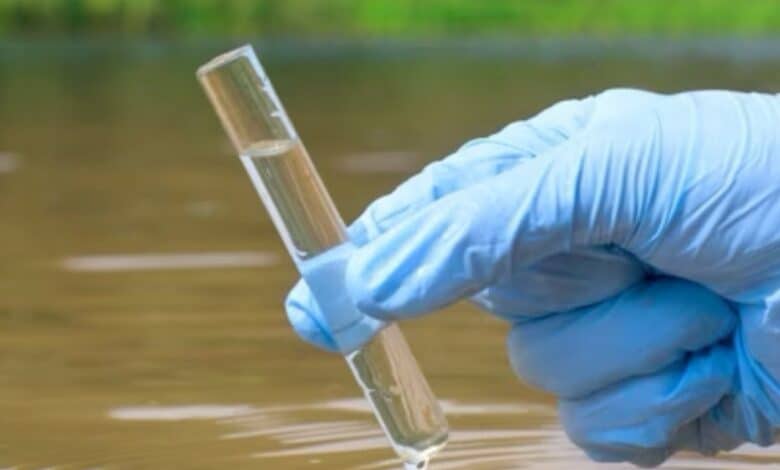
The Klip River in Gauteng, a vital water source feeding into the Vaal River System, has reached critical pollution levels. The pollution levels are so high that they seriously threaten the communities and ecosystems that depend on it.
A recent study conducted by UJ students has revealed cancer-causing organic chemicals accumulating at levels high enough to potentially harm human health, animals, and aquatic life in the Klip River. These organic chemicals are linked to organ damage, developmental disorders, and cancer.
The study led by Samuel Makobe, Dr Mathapelo Seopela, and Prof Abayneh Ambushe from UJ’s Department of Chemical Sciences, analysed river sediments from nine sites along the Klip River, in wet and dry seasons.
Findings, published in Environmental Monitoring and Assessment revealed that total concentrations of PAHs (polycyclic aromatic hydrocarbons) in river sediments far exceeded environmental safety thresholds, high-risk toxins peak in dry seasons when water levels are lower, increasing the exposure risks as communities rely more heavily on the river, and lastly, that Zebrafish embryos exposed to sediments suffered severe malformations, delayed hatching and 80% mortality.
Prof Ambushe explained that PAHs, notorious for their persistence and toxicity, primarily originate ate from oil spills, industrial runoff, and leaking fuel tanks as well as from the burning of coal, waste, and biomass common in urban and informal settlements.
“These toxins don’t just vanish, they linger in sediments, enter the food chain, and accumulate in humans and animals over time. This is a public health crisis in slow motion. The UJ team traced over 70% of PAHs to these sources.
Dr Seopela said the problem is systemic. Urbanisation, inadequate waste management, and historical pollution have turned the Klip River into a chemical reservoir.”
Seopela emphasised that the Klip River supplies water to the Vaal River System, a vital source for millions in and around Gauteng.
“Contaminated sediments threaten communities using river water for drinking, laundry, or irrigation, livestock grazing along banks, risking toxin transfer to meat and dairy, and biodiversity, with PAHs disrupting fish reproduction and amphibian survival.”
These results strongly imply that individuals in human populations exposed to environments tainted with PAHs may experience comparable developmental and cardiovascular issues.
“If these toxins can devastate aquatic life so quickly, imagine their long-term impact on humans,” said Makobe.
“By integrating advanced chemical analysis with bioassays, the research team pinpoints seasonal pollution hotspots for targeted cleanup, advocating for stricter industrial regulations, and empowering communities with data to demand safer water policies,” concluded Prof Ambushe.