
Exploring ‘Dark Tourism’ in the Vaal
The Vaal Triangle features several significant sites that could serve as anchor points for a well-designed dark tourism trail.
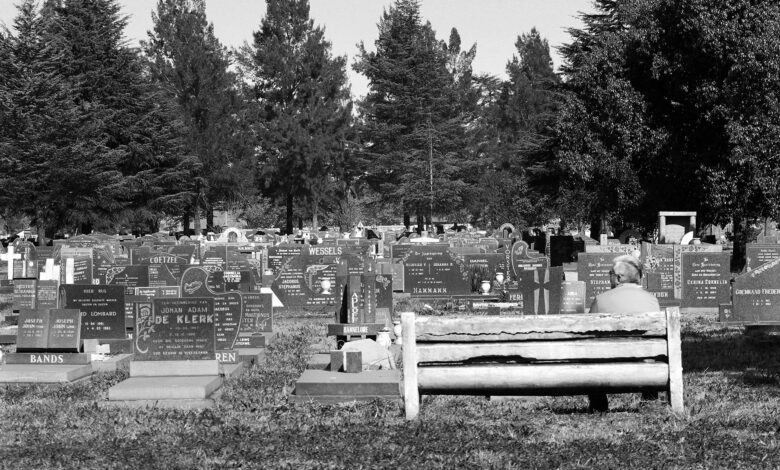
Although the term may sound unsettling, it simply refers to visits to places linked to death, tragedy, conflict or human suffering. Sites such as Auschwitz in Poland or the 9/11 Memorial in New York have shown that travellers seek not only leisure but also meaning.
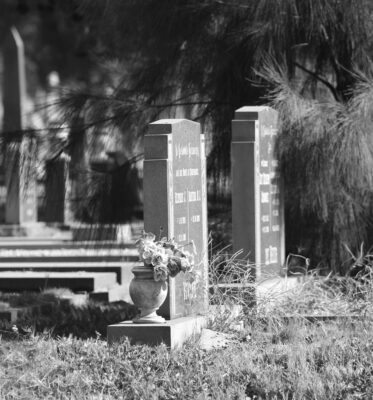
South Africa, and especially the Vaal Triangle, holds similar potential.
Dark tourism is not about morbid curiosity. At its best, it provides reflection, remembrance and education. Visitors come to understand the human cost of history, to honour those who suffered and to connect with events that shaped society.
This form of travel falls within heritage tourism but focuses on the difficult chapters of our collective memory, transforming silence into a platform for learning.
The Vaal Triangle features several significant sites that could serve as anchor points for a well-designed dark tourism trail.
The Sharpeville Memorial and Exhibition Centre commemorates the 69 protesters killed on 21 March 1960, a defining moment in the struggle against apartheid.
The Boipatong Massacre recalls the 45 lives lost in political violence in 1992.
The Vereeniging Boer Concentration Camp Cemetery and Memorial honour the civilians who perished in the camp during the South African War (1899-1902).
Some 74 British soldiers’ graves at the Maccauvlei Golf Club and the historic Witkop blockhouse add further depth to this narrative.
Each of these sites already attracts some attention, yet collectively, they could become a powerful, coherent visitor experience.
Linking these places through tours, signage, and storytelling could create opportunities beyond heritage alone.
Micro, small and medium-sized enterprises (MSMEs) stand to gain through guiding services, shuttle operations, catering, craft sales and accommodation.
Thoughtfully packaged day trips from Johannesburg or weekend itineraries combining memorial visits with township eateries and riverfront markets could bring steady visitor flows. Each tour booked translates into transport hire, meals, souvenirs and local wages.
Responsible development is essential. Authentic interpretation, community consultation and sensitivity to survivor families must guide every step.
Municipalities, heritage bodies and tourism boards can support training, preservation and marketing to ensure ethical practice and consistent quality.
As travellers increasingly seek experiences that carry meaning, dark tourism offers the Vaal a chance to diversify its economy while preserving its history.
By building a carefully managed network of sites supported by local entrepreneurs and institutions, the region can turn its most difficult stories into an asset that educates, respects and provides work.