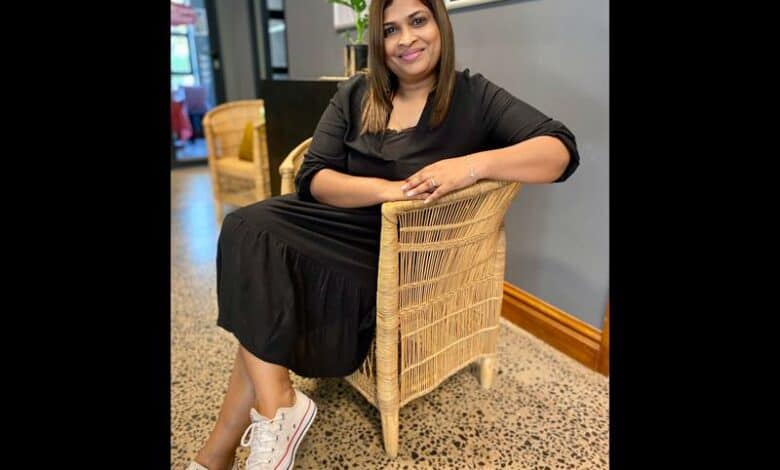
In honour of ADHD and Dyslexia awareness month, Vino Baijnath shines a spotlight on these and similar conditions.
In order to create an inclusive atmosphere where all learners can succeed in the modern educational environment, it is imperative to recognise and respond to their varied needs.
As the head of Special Education Needs at Umdoni Christian Academy, Baijnath is passionate about early intervention for neurodivergent learners, as it not only sets the foundation for academic success but also enhances the overall well-being and development of children who process the world differently.
“Understanding the distinctions between neurotypical and neurodivergent people is crucial to early intervention. Neurotypical describes people whose actions, brain processes and thought patterns are in line with accepted social standards. On the other hand, people who are neurodivergent differ in their thinking, learning and interacting with the outside world.”
Neurodivergent disorders include dyslexia, dyscalculia, attention deficit hyperactivity disorder (ADHD), autism spectrum disorder (ASD), and other neurological differences. Early identification of the distinct strengths and challenges associated with each of these conditions enables teachers and parents to offer the necessary support.
While neurodivergent conditions are diverse, there are some typical symptoms that may indicate a child is struggling and could benefit from further assessment and support.
Children with ASD might have difficulties with social interactions, such as understanding social cues or forming peer relationships. They may also exhibit repetitive behaviours, have intense interests in specific topics, and experience sensory sensitivities.
Symptoms of ADHD often include inattention, hyperactivity, and impulsiveness. A child might struggle to stay focused on tasks, frequently fidget, or act without considering the consequences.
Dyslexia primarily affects reading and language processing. A child with dyslexia might find it challenging to decode words, struggle with spelling, or have difficulty with reading comprehension.
Dyscalculia impacts a child’s ability to understand and manipulate numbers. Symptoms may include difficulty in understanding number concepts, struggling with basic arithmetic, and confusion over mathematical symbols.
A one-size-fits-all approach is not effective; instead, teachers and parents must work together to create individualised education plans that address the specific needs of learners.
“Dispelling the myth that children with neurodivergent or learning difficulties are less intelligent or capable is crucial. Teachers can assist neurodivergent learners to demonstrate their knowledge and abilities in ways that typical evaluation systems would miss by emphasising their strengths and offering the right kind of support,” added Baijnath.
Not only do neurodivergent learners benefit from inclusive classroom environments that encourage differences, but so do all of the learners. They develop empathy, respect and a more comprehensive concept of achievement when they witness that many approaches to thinking and learning are recognised.
A diagnosis is not a label. It is the key that opens the door to understanding.
“When children receive the support they need from a young age, they are more likely to see their differences as strengths and grow into confident, capable individuals. By acting early, we can create a more inclusive and supportive educational environment that allows all learners to thrive,” concluded Baijnath.
HAVE YOUR SAY
Like the South Coast Herald’s Facebook page, follow us on Twitter and Instagram