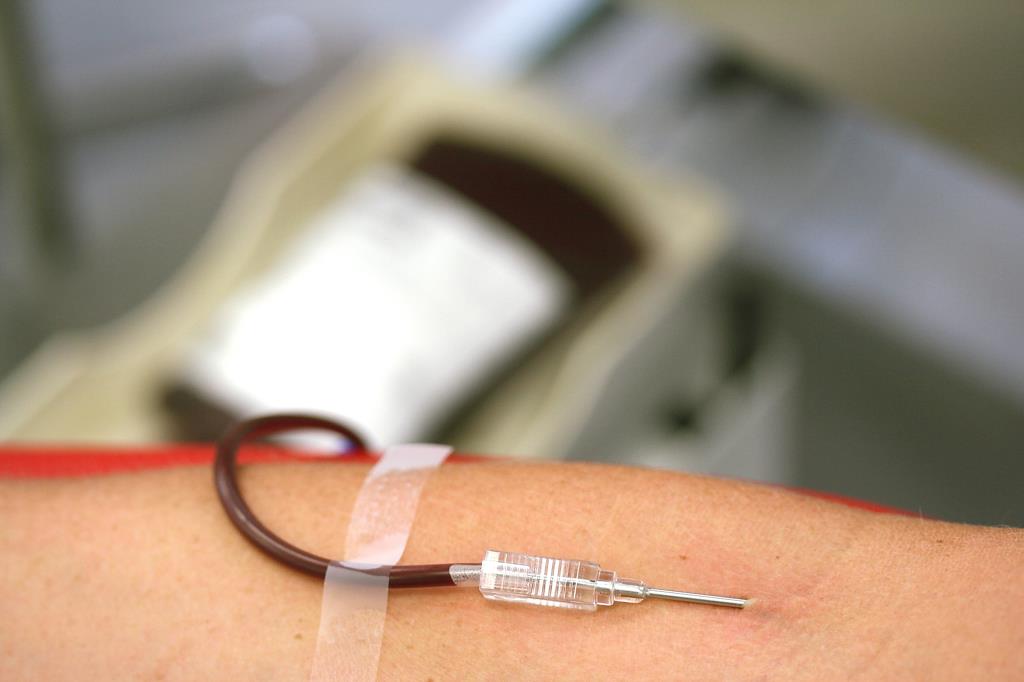
THE South African National Blood Service (SANBS) urges the public to donate blood, to help save the lives of patients in need of blood transfusions.
“Every unit of blood is vital. Once tested and deemed safe for transfusion, it is separated into red blood cells, platelets and plasma. Therefore a unit of blood can save up to three people’s lives. The SANBS needs to provide over one million blood products to patients annually and without the generosity and commitment of our donors, it would be almost impossible,” said SANBS head of marketing in KZN, Charles Maharaj
The SANBS is tasked with collecting, transporting, testing and storing blood required for patients daily. The SANBS charges a fee for this service and it is billed depending on the blood product that is required by the patient with all other operating costs. It is important to note that the SANBS does not sell blood to patients but provides a service that ensures that all government and private hospitals meet their daily blood needs.
Research has shown that SANBS requires more regular blood donors to consistently meet the country’s demand for this precious resource. Regular donors are encouraged to donate blood every 56 days or a minimum of three times a year.
The SANBS adheres to international standards as well as taking the local prevalence of viruses into consideration. Every unit of blood is individually tested for blood group, HIV, hepatitis B and C and syphilis.
“In 2005, the SANBS introduced a more sophisticated test called the Nucleic Acid Amplification Test (NAT) which has resulted in the quality of the blood we collect and supply to be among the
safest in the world. There have been no reported cases of HIV transmission through a blood transfusion since the implementation of NAT.”
The minimum requirements to be a donor are: Be between the ages of 16 and 65-years-old; weigh more than 50kg; be in good health; live a sexually safe lifestyle and consider your blood safe for transfusion to a patient.
To find the nearest donor centre, call 0800-11-9031, visit the website www.sanbs.org.za, Facebook.com/SANBS or Twitter @theSANBS.