
Nature’s Call – Lepidoptera
But, there is so much more to butterflies and even moths than just their beauty.
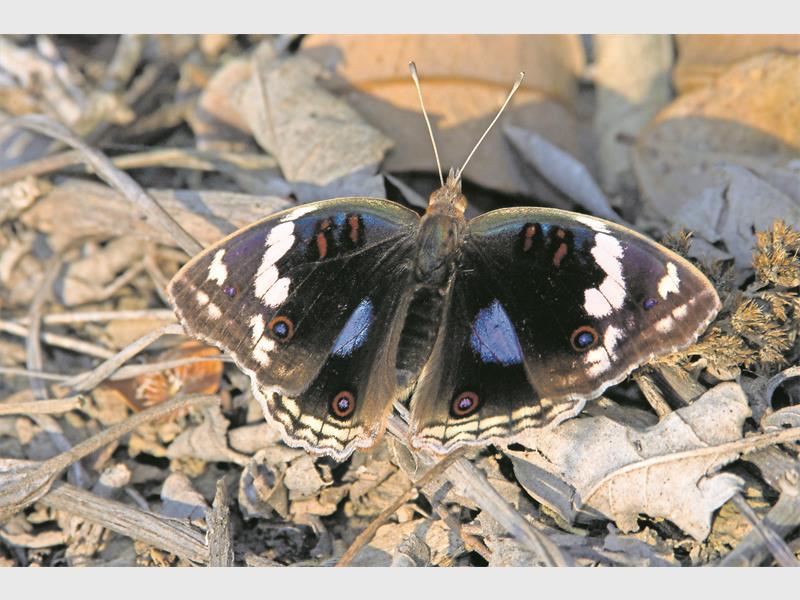
Lepidoptera refers to moths and butterflies and so far there are over 180 000 described species of moths and butterflies in the world.
We have a rich species diversity here in South Africa with 672 described species of butterfly and many hundreds of species of moths, many of which are still to be described by science.
With Spring and Summer just around the corner, one can already feel the days are getting warmer, now is the time of year that butterflies and moths are becoming more active, making it the perfect time to get out into nature to observe their incredible beauty. But, there is so much more to butterflies and even moths than just their beauty.
Firstly, their life cycle is amazing, the process of metamorphosis is amazing, how they go from an egg to an ugly caterpillar then after a nap in a pupa, they emerge as the most beautiful butterfly. But, over and above metamorphosis some butterflies have interesting adaptations in their life cycle. Some butterflies rely closely on ants where their larvae (caterpillar) emit a pheromone that attracts ants, this causes the ants to protect the larvae and pupae from would be predators. Another species of butterfly relies on ants for another reason, their larvae are carnivorous, feeding on aphids which the ants looks after, the adult butterfly, called the woolly legs, feeds on the honey dew produced by the aphids. Some butterfly species feed on lichen and moss that grow on rocks and tree bark.

Secondly is camouflage and mimicry. Because of the food plants they eat some butterflies like the African monarch are toxic for predators to eat, so they are marked with colours that tell predators not to touch them, however, other species such as the female common Diadem mimics the African monarch’s colour in order to not get eaten. Many butterfly species have very bright colours on the upper side of their wings making them stand out, however, the underside is brown, as soon as they close their wings they look like a dead leaf, blending into the leafy environment of a tree. Some moths mimic the colours and shape of wasps to avoid predation.
Some moth larvae also choose interesting ways to camouflage and protect themselves, sticking sticks and even flower petals to themselves for protection.

Many of us remember keeping silkworm as children and we still look for silkworms for our children to raise, but this same principle can be applied to any caterpillar found in the garden, just make sure you know the exact food plant to feed it.
The next time you find a pesky caterpillar feeding on your prized plants, avoid squishing it, but try to raise it as you would do with a silkworm to see what comes of it, there is a great chance that you may even find a new species of moth or butterfly that has not been described by science.

If you are keen to find out more about butterflies and moths, check out the Lepidopterists Society of Africa at www.lepsocafrica.org
If you would like to make contact with Warren to have some of your interesting insects, snakes or spiders identified, send him a WhatsApp or call him on 072-211-0353.

DID YOU KNOW?
Click on the words highlighted in red to read more on this and related topics.
To receive news links via WhatsApp or Telegram, send an invite to 061 876 3179
The Southlands Sun is also on Facebook, Twitter, Instagram and Pinterest – why not join us there?
Do you have more information pertaining to this story?
Feel free to let us know by commenting on our facebook page or you can contact our newsroom on 031 903 2341 and speak to a journalist.
To receive our free newsletter click here
(Comments posted on this issue may be used for publication in the Sun)