
Bird of the week: Black-backed puffback
When threatened they resort to loud bill clicking.
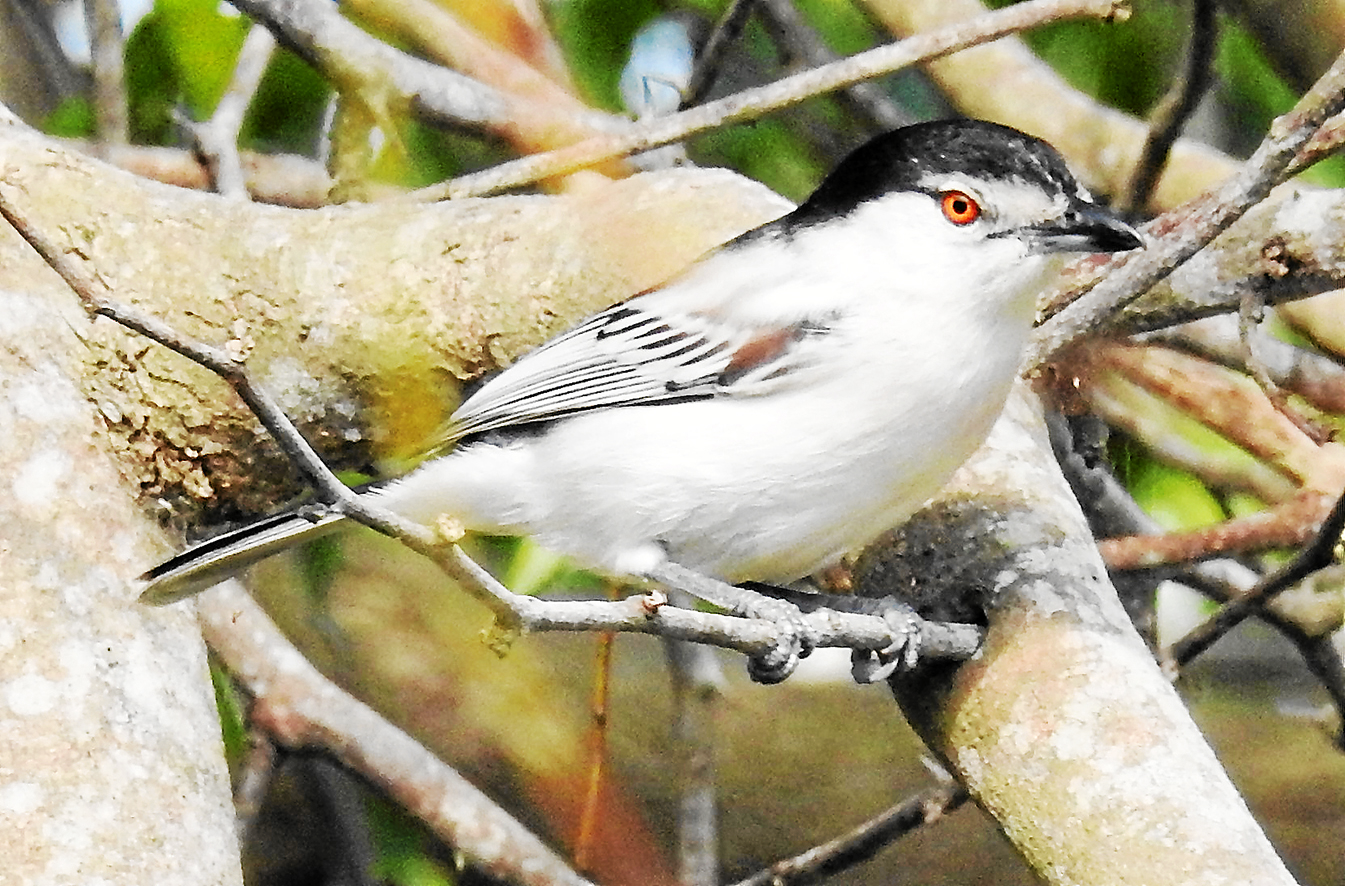
A fairly common resident found over most of Eastern South Africa, from George in the South. Absent from the dry west and highveld regions. Usually in pairs, but sometimes in small groups joining other mixed bird parties.
They like canopies of woodlands, riverine forest, edges of lowland evergreen forests, exotic groves and plantations. Foraging high on trees, hopping about and gleaning from foliage. Seldom found lower down in bushes. These birds feed on insects.
These puff backs have a bouncing flight with loud purring wing beats. The male raises and fluffs spectacular white rump plumes during courtship hence the English and Afrikaans name.
They are usually silent when feeding and are easily overlooked. The call is a loud two syllabled click-whistle q-weeu, q-weeu repeated 10 times or more. When threatened they resort to loud bill clicking.
Breeding takes place from October to December. The nest is a neat cup of grass, roots and bark felted by spider webs, lined with fine grass. Usually built in the fork of an upright tree about two to 10 metres above ground. It takes six to 11 days to complete and the female does the construction.
Two to three brown spotted, pink, cream or whitish eggs are laid. Incubation is 13 days and nestling period is 17 days. The young remain with the parents until the start of the next breeding season.
The Zulu name is iBhoboni and in Afrikaans die sneeubal.