Community reunion held in Lower Illovo
People from all around the world flew in to reunite with descendants of the indentured labourers from India.
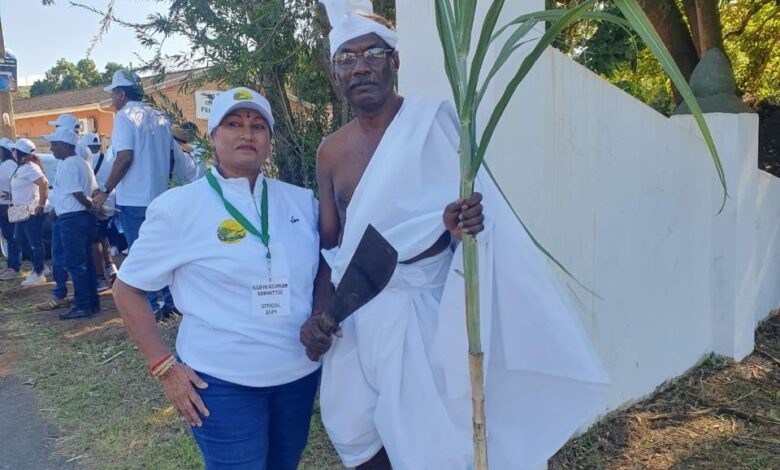
LOWER Illovo came alive recently when a community reunion was held to reunite descendants of the indentured labourers from India who started what later became a vibrant community.
Also read: Journey back in time at fifth Clairwood Roots reunion
Sugar cane was first planted in Lower Illovo by William Pearce in 1889, and indentured labourers were shipped from India to work in the fields. A compound was built for them on the banks of the Illovo River, and the settlement and the descendants of those labourers are still there.
Even though the members of this thriving community are spread all over the world, they still call Lower Illovo home. It was through this spirit of celebrating their origins that a reunion was held, bringing together people who had not seen each other in years. This year also marks 135 years since the settlement was built.
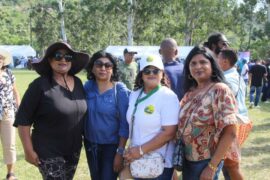
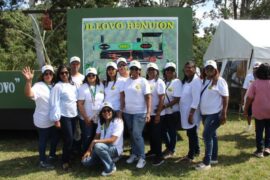
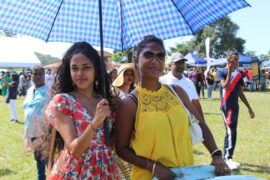
Jeffery Govender, who is the media and communications officer for the reunion, said people flew in from as far as New Zealand, Canada, Australia and America. Around 4 000 people graced the reunion. He added that some of the oldest attendants of the event include three individuals who were children of the first generation of South African Indians who were indentured labourers.
“This is a testament to the enduring bond that unites the Lower Illovo community across generations and distances. The memories created will last a lifetime,” he said.
According to available records, around 152 184 Indians arrived in South Africa between 1860 and 1911 as indentured labourers.
DID YOU KNOW?
Click on the words highlighted in red to read more on this and related topics. To receive news links via WhatsApp or Telegram, send an invite to 061 694 6047.

Do you have more information pertaining to this story? Feel free to let us know by commenting on our Facebook page or you can contact our newsroom at 031 903 2341 and speak to a journalist.
(Comments posted on this issue may be used for publication in the Sun)