
Shedding light on mental health in children: What to do as a parent
During Mental Health Awareness Month, Amanzimtoti’s Life Heroes urged communities to look deeper into the emotional struggles children face.
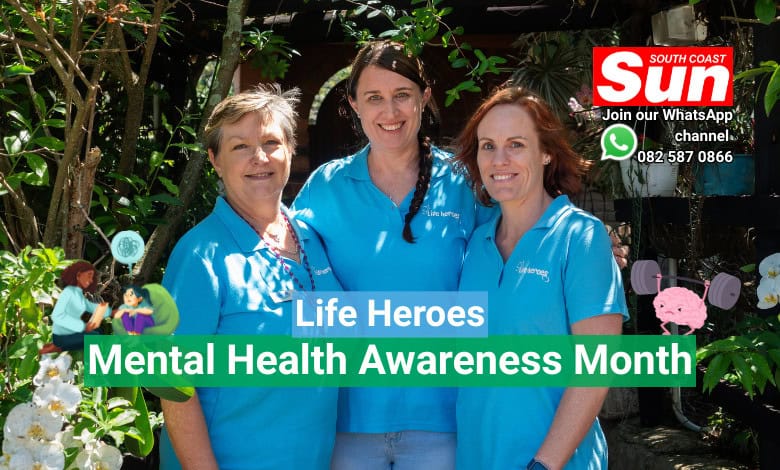
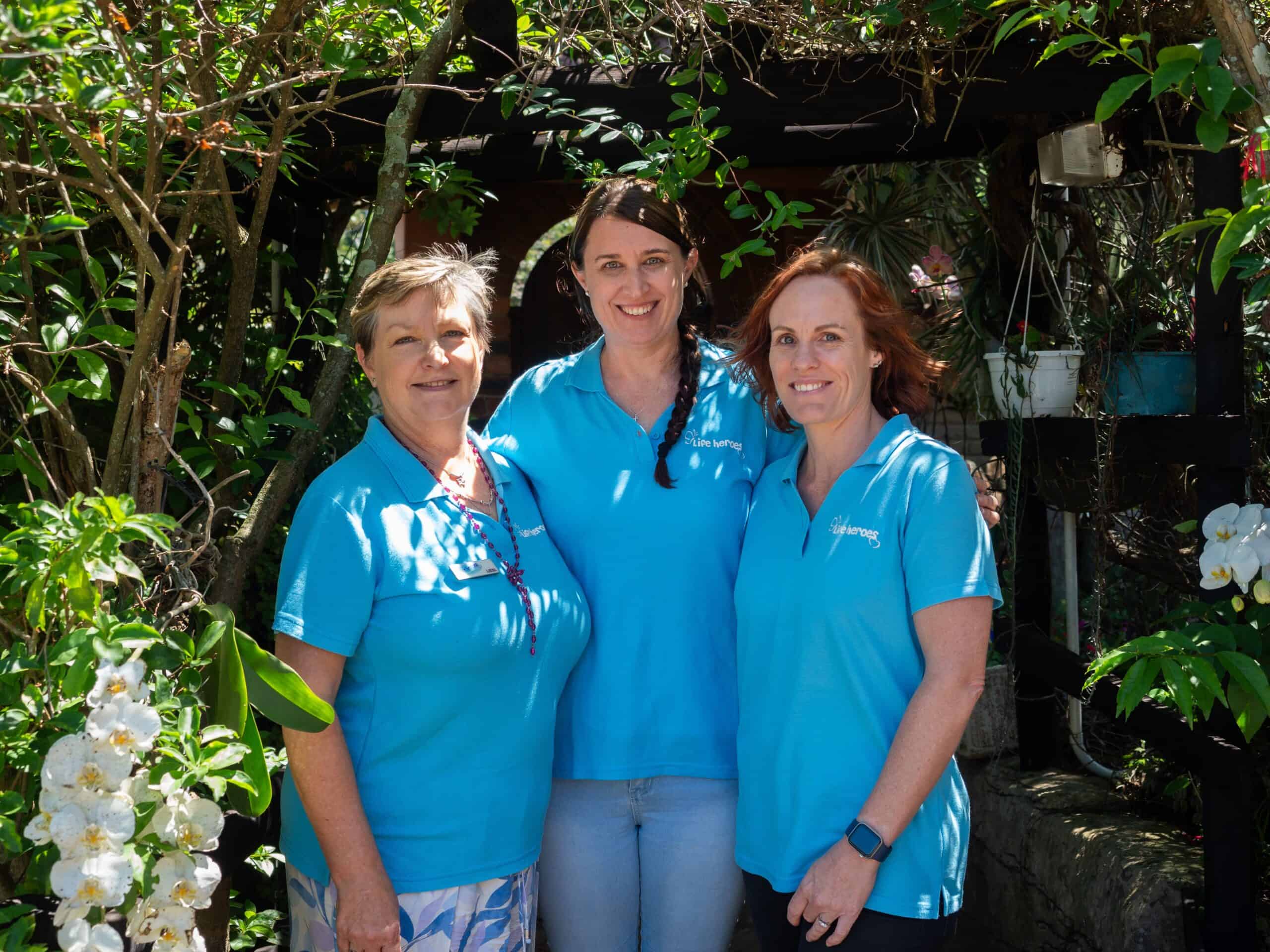
AMANZIMTOTI-BASED social and emotional development programme, Life Heroes, shone a spotlight on mental health in children in commemoration of Mental Health Awareness Month.
Life Heroes’ play therapist, Belinda Rykenberg, explained that the world is becoming increasingly difficult to navigate.
The research shows…
“Exposure to harmful content and experiences is rising rapidly. Children’s well-being starts at home but many of our families are struggling with so many complexities around stress, finances, trauma and more. It has been shown that in 2022, 73% of youth needed mental health support over the course of the year,” said Rykenberg.
According to the United Nations Children’s Fund (Unicef), over 15% of children struggle with anxiety. Another Unicef study demonstrated that 25% of these children are between seven and 13 years old.
Trauma in KZN children
“Anxiety alone can be crippling, and our children have to cope with life’s incredibly fast pace, filled with instant gratification and traumatic experiences,” said Rykenberg. She harkened back to Covid-19, the riots during July 2021, the April 2022 floods and the rampancy of crime and poverty, that residents in KZN have gone through. She said that this level of trauma is enough to change a child’s world.
Rykenberg emphasised that children are carrying burdens that are not theirs to carry, and that children show trauma in different ways, causing them to be seen as “difficult”, when in reality, their nervous system is exhausted and they are not able to cope with daily life. This may present as withdrawal or over-emotionality.
“We are surrounded by socio-economic stressors, high rates of violence and trauma, lack of awareness, digital and social media exposure and limited resources which are all causes behind the mental health crisis we are experiencing. Compounded to this is the lack of resources in South Africa to cope with such crises,” said Rykenberg.
What can you do?
- Understand that behaviour is communication. Stop and listen to what they could be saying.
- Keep lines of communication open with your child. They need to know they can come to you about anything without judgement.
- Have realistic and age-appropriate expectations.
- Avoid shaming or name-calling when they make mistakes as they still have very immature brains and nervous systems and rely on adults to help them cope with their environments.
- Try not to take things personally.
- Allow for opportunities to say “yes” and for choice. This helps them feel some control over their world.
- By acknowledging their feelings you are connecting with them; and by reflecting it back they feel seen and heard. Their feelings or concerns have been validated.
- Spend quality time together. Talk about their day and what is going on in their life.
- Praise their efforts and not just results.
- Routine is very important and creates safety.
What to do for tricky teens:
- Sit down and talk about your teen’s day.
- Volunteer together.
- Make dinner together or learn how to cook together.
- Solve a problem: It could involve a household issue, like how to keep clutter from collecting on the table, or you could even talk about their ideas for solving larger issues in the world, like homelessness.
- Attend a music festival or age-appropriate concert together.
- Talk about the future. Identify your teen’s future goals and discuss what the world might be like 20, 30, or even 50 years down the road.
- Read the same book and talk about it.
- Plan a weekend trip and have fun acting like tourists in a new place.
- Go hiking.
- Watch a play or musical.
- Develop a new healthy habit together like exercising.
- Learn a new sport together like padel or pickleball.
- Explore foods from other cultures by having dinner at restaurants that serve food you’ve never tried or by cooking foods from other parts of the world.
- Start a garden that you both are invested in cultivating, or join a community garden.
- Work on a monthly menu plan together.
- Participate in a monthly challenge such as walking for 30 days or saving spare change for one month.
- Take a class together like a photography class or a graphic design class offered in the community.
- Attend a community event, like a local theatre production or a food festival.
Communication is key
Rykenberg emphasised, “Always keep the line of communication open between you and your teen. They need to trust that they can talk to you about difficult topics or things they may be dealing with. They need to know you will listen and help if they are in too deep. Without judgement. This does not mean you approve or like their behavior and choices. They need to know regardless of their choices, even when it hurts you, that you are in their corner and you will be there for them.”
What is Life Heroes?
Life Heroes is a social and emotional development programme that aims to help children cope with the pressures in today’s world. It is made up of a team each specialising in different child development disciplines. The foundation of the programme is built on helping children know who they are, emphasising that they have value, purpose and are a hero. The Life Heroes team covers topics such as emotions, decision-making, worry, fear, being brave, grit, perseverance, patience, respect and a lot more to navigate these difficulties.

Do you have more information pertaining to this story? Feel free to let us know by commenting on our Facebook page or you can contact our newsroom at 031 903 2341 and speak to a journalist.