Water’s current bad taste is not unhealthy – eThekwini
The sandy taste is caused by elevated levels of the compound 2-methylisoborneol affecting water supplied through the Wiggins Water Treatment Works.
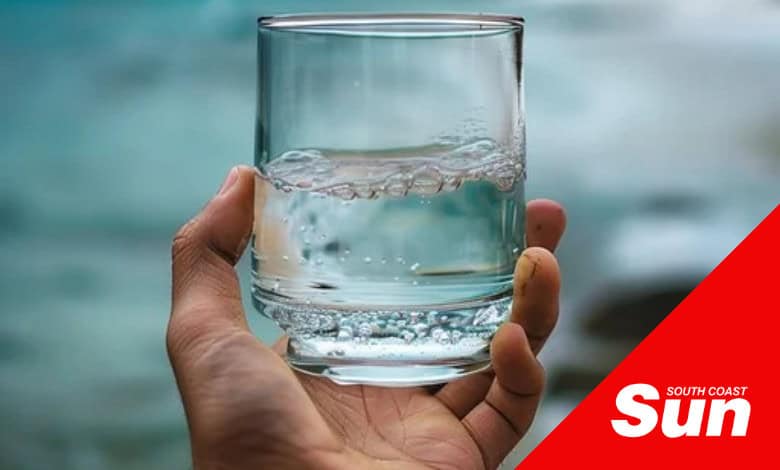
TAP water has changed in taste and smell, but the eThekwini Municipality has told residents that it is completely safe to use and will not harm anyone’s health.
Also read: Boil drinking water
Amanzimtoti’s Dennii Dorning is among the thousands who discovered that tap water recently has a strong sandy or earthy taste and smell. Other residents say it tastes soapy. While eThekwini Municipality has assured residents that it was still safe to drink, Dorning said she is not taking any chances.
“I made coffee one morning, and I spat it out as it landed in my mouth. It tasted horrible,” said Dorning.
She has resorted to using purified water for her coffee and for cooking, as she does not trust what comes out of the tap.
In response to the complaints, eThekwini said the sandy taste is caused by elevated levels of the compound 2-methylisoborneol affecting water supplied through the Wiggins Water Treatment Works. It said it was working closely with the bulk water supplier, uMngeni-uThukela Water (UUW), to address the issue. Municipal spokesperson Gugu Sisilana said 2-methylisoborneol is a naturally occurring compound associated with elevated levels of blue-green algae in surface water systems.
“The municipality wishes to assure residents that, despite the temporary taste and odour changes, water remains safe for human consumption and continues to meet the required quality and safety standards,” said Sisilana.
Also read: Water woes continue during Water Month
She stressed that it does not pose any health risk. She added that UUW has advised that it has already implemented several intervention measures to address the matter at the Inanda Dam and Wiggins Water Treatment Works.
“These measures include intensified water treatment processes, more frequent filtration cycles, and enhanced monitoring systems. In addition, an advanced ozone treatment process was introduced in May as an additional intervention, achieving at least a 50% removal efficiency in conjunction with powdered activated carbon treatment systems,” she said.
The municipality will continue providing updates should there be any significant developments, she concluded.
For more South Coast Sun news, follow us on Facebook, Twitter and Instagram. You can also check out our videos on our YouTube channel or follow us on TikTok.
Subscribe to our free weekly newsletter and get news delivered straight to your inbox.

Do you have more information pertaining to this story? Feel free to let us know by commenting on our Facebook page or you can contact our newsroom on 031 903 2341 and speak to a journalist.