
Rip currents: How to spot them
Keeping an eye on wave behaviour when doing water activities along the coast can save your life.
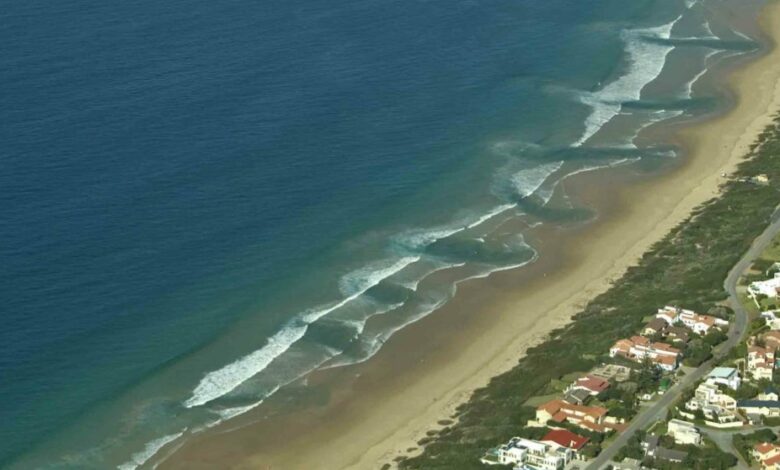
AS some of the beaches around eThekwini Municipality opened, National Sea Rescue Institute (NSRI) has released a statement urging extreme public caution when visiting the coast. This comes after some powerful rip currents have been reported. Those who are most at risk are bathers and shoreline anglers.
ALSO READ: Some Durban beaches re-open after improvement in water quality
According to the NSRI, rip currents can develop where there are breaking waves, and bigger waves produce stronger currents.
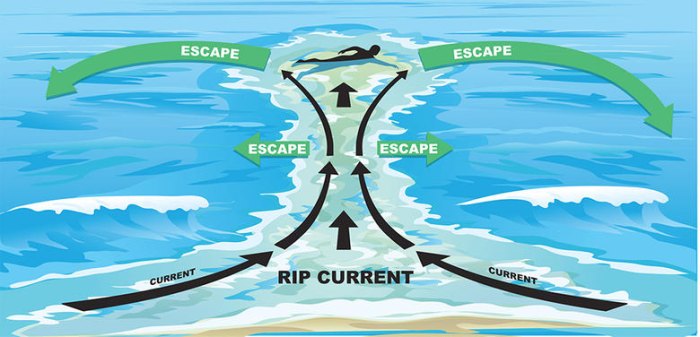
“These ‘rivers’ of current are produced by water moving from the beach back out to sea. They happen all the time at many beaches and are the biggest danger that visitors face in the water,” it said in a statement.
Often rip currents move slowly enough to barely be detected. But given the right circumstances of waves and beach profile, they can develop into currents moving at speeds of up to 2m per second, faster than anyone can swim.
Bathers are at risk of being swept out to sea by rip currents while swimming or wading in water along the beachfront. Even bathers wading in shallow water, who find themselves trapped in a rip current that forms suddenly, are also at risk of being swept out to sea.
As with all risks, avoiding rip currents altogether is the safest strategy, however, here are tips on how to spot a rip current:
- A change in the incoming pattern of waves. Often the waves are not breaking in a rip channel.
- Water through a surf zone that is a different colour from the surrounding water.
- Turbulent or choppy water in the surf zone in a channel or river-like shape flowing away from the beach.
- Seaweed, sand ‘clouds’ or debris moving out to the backline where waves are forming through the surf zone.
On the South Coast, the re-opened beaches are Amanzimtoti Main Beach, Pipeline Beach, Warner Beach, Winklespruit Beach, and Umgababa Beach.
DID YOU KNOW?
Click on the words highlighted in red to read more on this and related topics. To receive news links via WhatsApp or Telegram, send an invite to 061 694 6047.
The South Coast Sun is also on Facebook, Twitter, Instagram and Pinterest – why not join us there?

Do you have more information pertaining to this story? Feel free to let us know by commenting on our Facebook page or you can contact our newsroom on 031 903 2341 and speak to a journalist.
(Comments posted on this issue may be used for publication in the Sun)