
A little talking, a lot of Snare action at Munster Conservancy
Following a call from Munster Conservancy to deliver talks and conduct a snare sweep, Snare Aware discovered signs of snaring in the area.
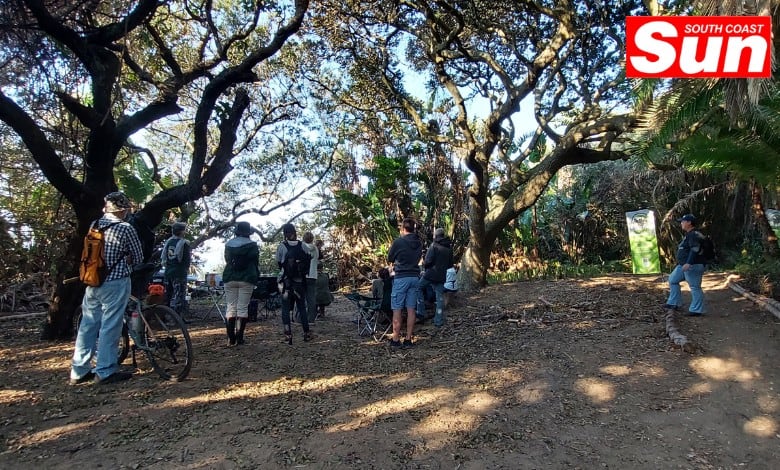
AMANZIMTOTI-BASED non-profit organisation Snare Aware recently headed off to Munster Conservancy after being asked to do a presentation and sweep in the area.
Also read: International Scout Scarf Day celebrated at Kamalinee Primary
Snare Aware is an environmentally-conscious NPO with a particular focus on combating poaching, which largely presents itself with snares, an anchored noose-based trap with a loop or wire that tightens to catch animals. It is a devastatingly cruel form of poaching and is the most commonly employed method.
How does a snare work?
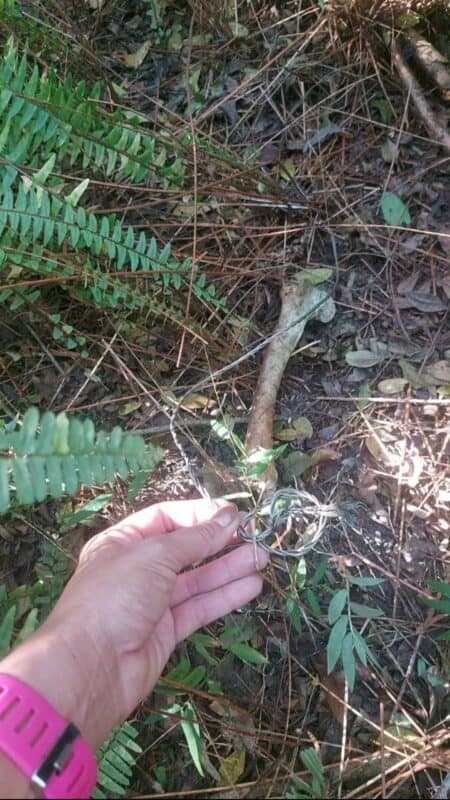
Animals panic when they are caught in the snare and will continue to pull at the wire, making it tighter. If the snare is around their neck and the wire is strong enough, the animal will suffocate.
At Munster Conservancy
A Snare Aware member, whose identity will remain anonymous for his safety, explained that after arriving, with a warm welcome by conservancy members, a presentation was done and the members had to adapt on the fly to a change in the area where a sweep would be done.
“This turned out to be a good idea, as many signs of historic snaring were found in the zone that we had changed to. The best way to learn is out in the field, with actual snares and setups being found. We can talk for hours at a presentation, but when you see that first snare in the bush, it all suddenly becomes much clearer. When a snare is found, we always call all of the volunteers over, and explain the whole scene to them, talking them through what led us to that spot, what stood out, and how the noose ends up being the last thing that we look for,” said the member.
He added that there were many old anchor points, tiny wire nooses, large nooses and an extremely well-hidden noose that impressed even the most seasoned snare searchers.
“As horrible as it is to find snares, this was the perfect training ground, and proving that even if it isn’t a current hotspot, an old snare is always there, waiting to catch whatever might walk into it, and still needs to be removed. Four active snares were found on the day, as well as many other older, inactive snares, that for various reasons wouldn’t be able to catch an animal now,” said the member.
Encouragingly, Munster Conservancy arranged its own sweep in the area a few weeks later, finding and removing 13 snares.
For more South Coast Sun news, follow us on Facebook, Twitter and Instagram. You can also check out our videos on our YouTube channel or follow us on TikTok.
Subscribe to our free weekly newsletter and get news delivered straight to your inbox.

Do you have more information pertaining to this story? Feel free to let us know by commenting on our Facebook page or you can contact our newsroom on 031 903 2341 and speak to a journalist.