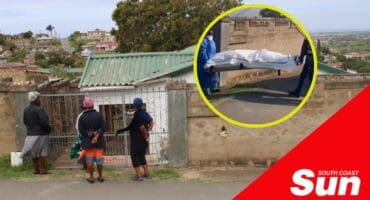
Hadedas shot dead in St Winifreds family’s yard
An animal-loving family in St Winifreds were heartbroken as one of the hadedas they care for was fatally shot in the eye.
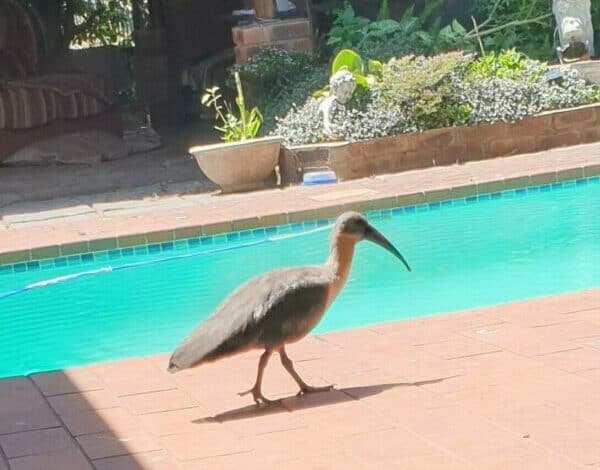
A FAMILY of animal-lovers in St Winifreds have been caring for hadeda ibis birds for around five years. Since December last year, however, the regular calls of the birds were overshadowed by their shrieks of fear, and gunshots from what the family suspect to be air rifles, sailing over the family’s home.
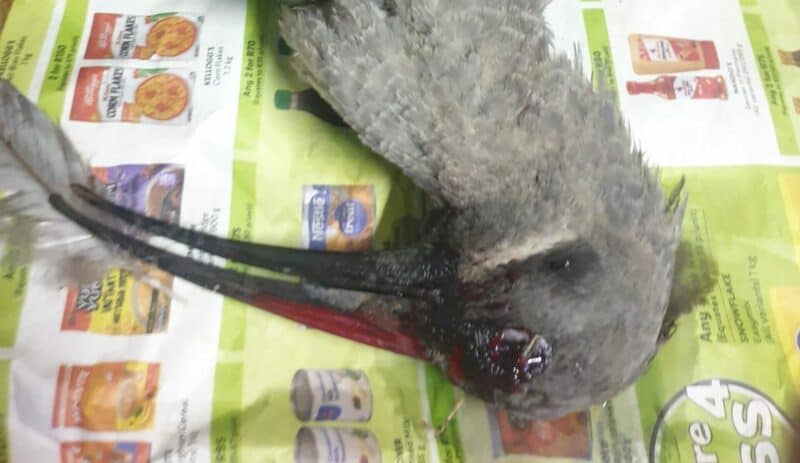
WARNING: Graphic image – not for sensitive readers
Also read: Injured infant monkey rescued in Amanzimtoti
On January 26, Shelbey Rees arrived home to visit their family, only to be met with hadedas squawking loudly, her family’s dogs running around anxiously, and the unmistakable sound of gunfire.
“Seconds later, a hadeda falls to the ground off my roof, my dogs by this point are investigating where the shot came from and what had happened to their feathered friend. I had to pick up the hadeda and console him as he died in my arms from a fatal shot to the eye. We as a family confronted the people responsible and they had no remorse for what they had done. We were only met with intimidation. This ‘target practice’ has been going on longer than two weeks. I have children on my property, pets as well, and some people think it is okay to shoot a gun at a live target. People like this make me ill,” said Rees.
Rees and their family began caring for hadedas when ‘Harold the hadeda’, along with his family visited their home. They identified Harold by his broken right wing feather, which would always stick up.
“Harold started coming here every day with his mate, foraging together on the lawn, enjoying the bird food we would sprinkle out for them daily. Some time had passed that we did not see them, until they showed up with their baby. Harold and his mate fed him together and from then, the flock has visited here every day. We love the hadeda ibis. We recognise the important role that they play in natural pest management. They also help to aerate and turn the soil. Their long-term conservation is necessary for maintaining the ecosystem. They are monogamous and are solitary nesters, sticking to one mate for life. These birds are so dear to our hearts – they really should be more protected. I’d love for this to be their sanctuary,” said Rees.

Do you have more information pertaining to this story? Feel free to let us know by commenting on our Facebook page or you can contact our newsroom on 031 903 2341 and speak to a journalist.