
Disease outbreak confirmed in Warner Beach
Health officials advise the public to become aware about hand, foot, and mouth disease and how it is transmitted, and not to spread misinformation.
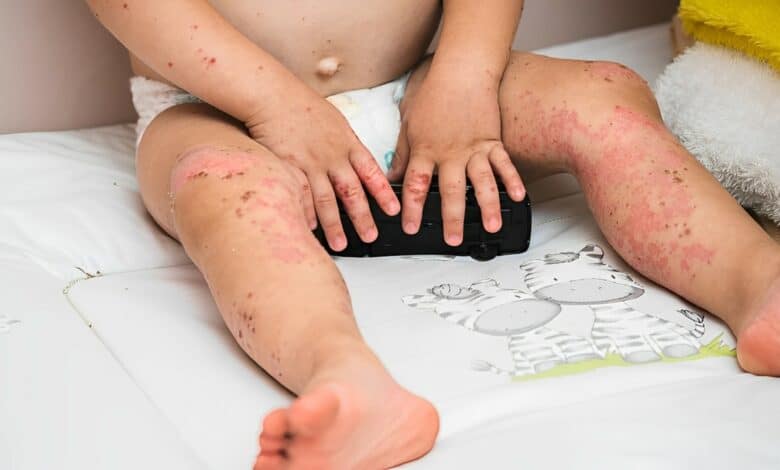
HEALTH officials in KZN are urging calm after confirming a case of hand, foot, and mouth disease (HFMD) in Warner Beach.
HFMD primarily affects young children, causing flu-like symptoms and painful hand, foot, body and mouth blisters. While less common in adults, those with weakened immune systems can also contract the virus.
Also read: Common diseases children can contract at school
An 18-month-old girl from Warner Beach, who attends daycare, was recently diagnosed with HFMD after exhibiting fever and blisters. Her grandfather, Tony Lokker, reported that she is recovering.
The KZN Department of Health has confirmed additional cases within the Metro and has deployed its Area-Based Outbreak Response team to investigate and monitor the situation. As of the latest report, 120 cases of HFMD have been reported in the Metro.
KZN Department of Health spokesperson, Ntokozo Maphisa, said it is important for people to understand what HFMD is.
“We are concerned about these numbers, but in the same breath, we would like to appeal for calm. People need to understand HFMD, including what it is, how it can be prevented, its symptoms and how it is transmitted. We wish to appeal to the public for calm in this regard, and for those who can to note the facts and not spread fear. We urge parents to ensure that children have no direct contact with persons who are ill. Those who are affected by HFMD, with severe disease or complications, are urged to visit the nearest healthcare facility. Learners who are symptomatic of HFMD should be kept at home until they feel better,” said Maphisa.
He added that the maintenance of hygiene, which includes frequent hand washing, no sharing of eating utensils, and opening windows to allow for air to circulate could help fight the spread of the disease.
What is hand foot and mouth disease?
• HMFD usually occurs in small outbreaks at crèches and day-care centres during summer and autumn.
• It is spread from person to person by direct contact or by droplets from the mouth or nose of an infected person. The virus may also be spread through contaminated objects (toys, stationery, etc).
• HMFD does not occur in animals and should not be confused with foot and mouth disease that affects animals.
• Symptoms usually start three to seven days after infection and last between seven to 10 days. Common signs include fever, sore throat, tiredness, loss of appetite and small blisters inside the mouth, sides of the tongue, palms of the hands and soles of the feet.
• There is no specific vaccine or treatment for HMFD. The infection usually clears without medication after seven to 10 days.
• Teachers and parents should encourage good hygiene such as regular hand-washing and not sharing eating utensils.

Do you have more information pertaining to this story? Feel free to let us know by commenting on our Facebook page or you can contact our newsroom on 031 903 2341 and speak to a journalist.