
Technology tracks waste and protects wildlife in Adams Mission
Nonkazimlo Mafa, EWT’s Urban Ecology Project Manager in the Threatened and Endangered Species Unit, said illegal waste dumping poses a serious threat to conservation efforts in Adams Mission.
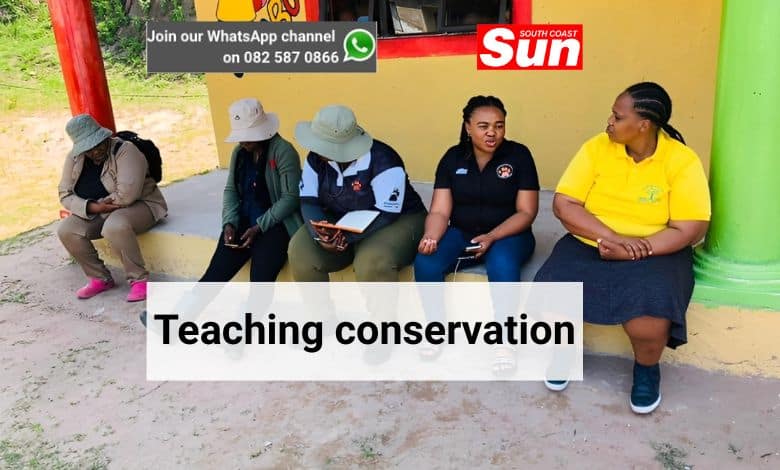
THE Endangered Wildlife Trust (EWT) is engaging the Adams Mission community with education on proper waste disposal to help reduce environmental pollution that could endanger local frog species.
Previously, the SUN highlighted the Pickersgill’s reed frog and the Kloof frog, both unique to KwaZulu-Natal, that inhabit Adams Mission’s 400-hectare wetland (Nature’s Vital Leap – August 15).
Also read: Rare sighting of grey crown cranes at Toti Civic gardens [Video]
Nonkazimlo Mafa, EWT’s Urban Ecology Project Manager in the Threatened and Endangered Species Unit, said illegal waste dumping poses a serious threat to conservation efforts and the fragile balance of the wetland ecosystem. She noted that a lack of municipal waste collection services in the area drives residents to dispose of waste illegally.
“We hold continuous education drives in the community, conduct clean-up campaigns, and remove invasive alien plants,” said Mafa.
Around 90 000 people live around the wetland. Mafa explained that a phone app has been developed to track and report waste incidents, giving EWT insight into the increasing problem of waste being dumped into watercourses.
“This approach culminated in our Centralised Waste Disposal Zone project, where we partnered with communities and the municipality to install four shipping containers that act as managed waste disposal sites. Community members are employed to manage these zones, bagging waste and co-ordinating with municipal contractors to service the waste zones when needed,” she said.
Within two weeks of placing the containers, positive results were evident.
Also read: Turtle fit with tracker travelled 300km since December
“Community members have been leaving their waste near the container doors outside operating hours rather than dumping it in the wetland. This has contributed to growing socio-ecological resilience for the rich biodiversity of the area. It also benefits communities living adjacent to the wetlands through job creation and keeping the environment clean,” Mafa said.
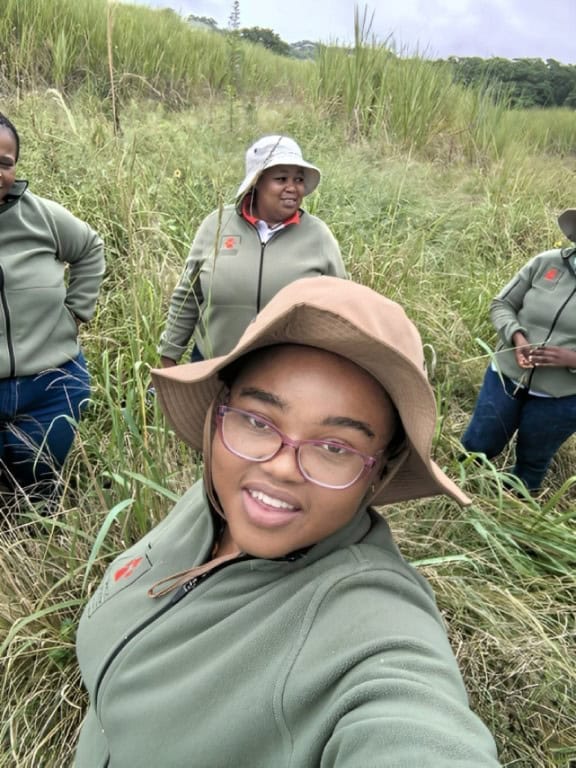
Fourteen people have been employed as waste collectors and invasive alien plant controllers. Common invasive alien plants in the area include lantana, peanut butter cassia, bug weed, American bramble, common lilac, Singapore daisy, morning glories, Mexican ageratum, Chromolyn, Mexican sunflower, yellow bells, and Indian short.
Mafa added that environmental education efforts are designed to meet people where they are, including schools, municipal war rooms, and by engaging traditional leadership and other stakeholders.

Do you have more information pertaining to this story? Feel free to let us know by commenting on our Facebook page or you can contact our newsroom on 031 903 2341 and speak to a journalist.