
E-hailing drivers unhappy with new regulations
The recently amended National Land Transport Amendment Act recognises e-hailing services as an additional mode of transport for commuters.
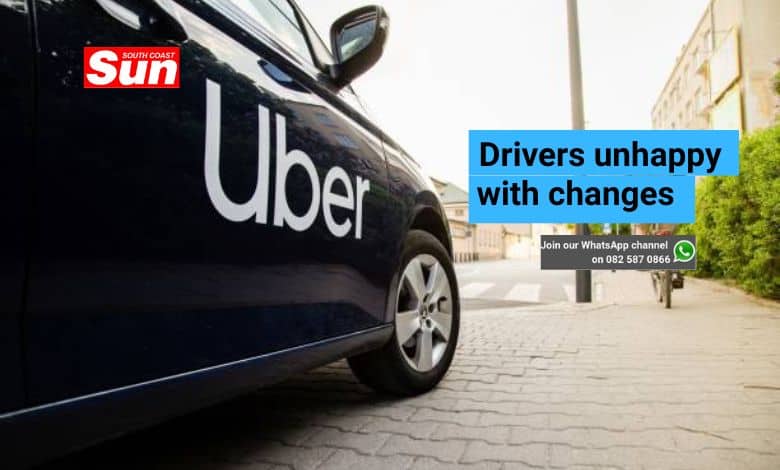
SOUTH Coast e-hailing operators have voiced concern over the recently amended National Land Transport Amendment Act (NLTAA) and the Department of Transport’s (DOT) updated regulations governing their industry.
Also read: Taxi strike hurts commuters
The amended NLTAA, gazetted on September 12, recognises e-hailing services as an additional mode of transport for commuters. E-hailing services, which include Uber and Bolt, have been treated as an illegal operation by minibus taxi operators, causing violent confrontations that led to a taxi strike on September 4, leaving many commuters stranded.
DOT spokesperson Collen Msibi said the Act outlines a requirement for public transport operators to have operating licences. It also states that each vehicle should be branded or carry a sign indicating that it is an e-hailing vehicle.
“This will ensure that services remain authorised and safe,” said Msibi.
He urged commuters to verify that the vehicle they are requesting and the driver’s details appear in the app, and if not, they should exercise precaution.
“App developers who permit users to use their apps without an operating licence risk a fine of up to R100 000, or up to two years in jail. All apps must also be registered with the regulators,” he said.
Also read: Concerns raised about consequences of taxi strike
The Act also requires panic buttons to be installed in e-hailing vehicles to help keep commuters safe and provide quick emergency response. Vehicle owners are responsible for making sure these are installed.
Msibi explained that the panic button for commuters will assist with crime detection and enable a rapid response by law enforcement or tracking companies.
E-hailing services driver, Sandile Ngobese, said it is a shame that the government has given in to taxi operators.
“We need to fight and stop this nonsense. Our government is so afraid of these taxi guys so much so that they are imposing such harsh rules on us. At the same time, our brothers are getting robbed and killed every day, and nothing is done to protect us; instead, we are going to be more exposed by the branding of our cars,” said Ngobese.
Another driver, Vincent Mbusi, agreed that branding would make them easy targets of minibus taxi operators and criminals.
“If a car is branded, it’s no longer a private and safe car because it would be easy to identify and be followed,” said Mbusi.
Msibi said the DOT will hold workshops to share information about the Act’s requirements with all operators and officials across the country.

Do you have more information pertaining to this story? Feel free to let us know by commenting on our Facebook page or you can contact our newsroom on 031 903 2341 and speak to a journalist.