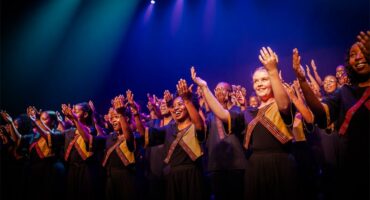

Blind SA encourages people to have pride in their mother languages
Blind SA aims to establish all 11 official languages in schools as languages of instruction, learning and writing to give learners a chance to attain better marks and learn more about their culture. Moreover, it aims to commemorate International Mother Language Day.
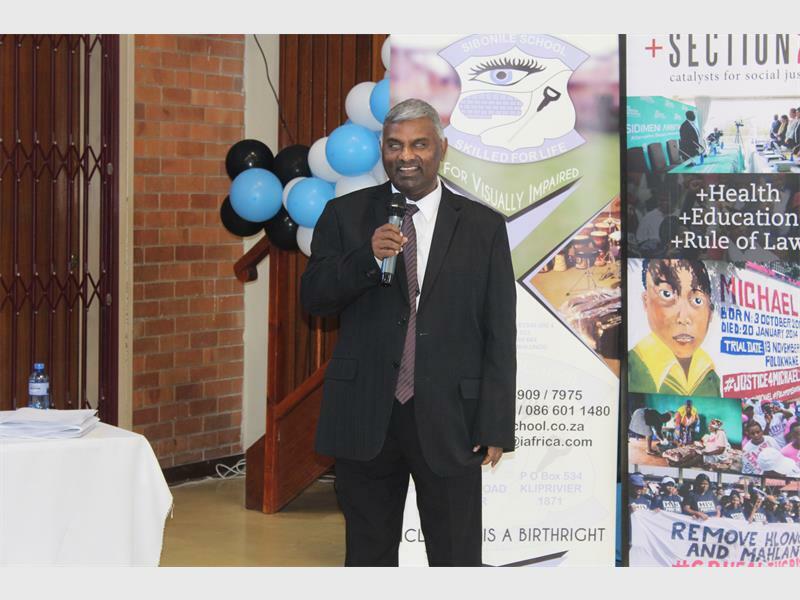
Being bilingual and respecting other languages is crucial in light of our nation and the world’s diversity.
Yet, how far will we go to ensure our various languages continue to be spoken and used?
Blind SA encourages individuals to commemorate the International Mother Language Day celebrated in February.
The day came after Bangladesh took the lead in establishing International Mother Language Day when the government sought to declare Urdu the only official language of Pakistan, despite Bengali, or Bengla, being the most widely spoken language in East Pakistan (Bangladesh).
In response to the protests, the people of East Pakistan urged that Bengla be included in the list of national languages alongside Urdu. Dhirendranath Datta, an East Pakistani, initially raised this proposal on February 23, 1948, during the Pakistani Constituent Assembly.
The history of individuals giving their lives while defending their mother tongue is uncommon. International Mother Language Day has now become one of Bangladeshis’ sorrowful holidays. To show their profound sorrow, respect, and thanks, they go to the Shaheed Minar, a monument erected in remembrance of the martyrs, and its replica.
This year’s theme for this significant day is ‘Multilingual Education – A pillar of learning and intergenerational learning’.
According to Blind SA’s Lerato Jiyane, hopefully, the theme will come to pass, and the educational system will think about bolstering a curriculum that commonly allows for instruction and learning to occur in various languages.
Communicating in your mother tongue can help you gain a competitive advantage in the job market, improve your understanding of your culture and identity, and lay the groundwork for learning other languages.
“Blind SA always strives to preserve our official languages in the multi projects and initiatives we do, such as the annual story writing competition that takes with school learners whereby learners get to write a story in English, Afrikaans, Zulu, Tsonga or Tshivenda in a range of categories and the top three stories win a prize.
“We are also involved in developing the Text To Speech (TTS) programme in Setswana,” said Lerato.
“There is no greater way to communicate than speaking the language your mother speaks. Therefore, let us keep speaking, enjoying, and learning our own languages, which make us distinct in a vibrant and beautiful way,” she concluded.