
WHILE urban South African Christmas celebrations involve western elements like turkeys, Christmas decorations and the exchange of gifts, the people who live in the rural areas enjoy a far more traditional African holiday.
I grew up in the small village of Khanyayo in Mbizana, where we got to appreciate the value of family at Christmas time and worried less about what others had during the festive season. On Christmas Eve we all prepared jelly and custard dessert and stored it outside, on top of steel water tanks so that they could set overnight as we had no access to electricity. A fridge was a luxury we did not even dream of owning.
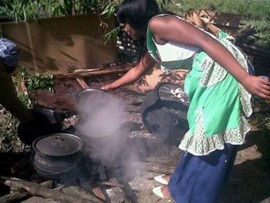
In the early hours of Christmas day, we would be woken up by the African Christmas bird whose call, “khisimsi ufikile” meaning Christmas has arrived, would get us all into the Christmas spirit. We’d get up, boil water on a fire in potjie pots, then take turns to bath in the ‘Vaskom’. In those days, a warm bath was such a treat. We then dressed up in our new, matching Christmas clothes and went to church while the elders prepared a meal for when we returned.
On our way back from church we would go from house to house, sharing whatever treats they were having for Christmas. By the time we got home our stomachs would be so full that we would have hardly any space to eat our food at home, so we would share our Christmas fare with visitors who came to our house. Crime statistics were very low, so strangers were also welcomed.
When everyone had had their fair share of the meal, we switched on our iconic FM portable radio and walked around in the village with it for everyone to hear and join our ‘village funk’ walk. In the evening we would wrap up the Christmas gathering with our families. The adults who drink ‘Umqombothi’ – otherwise known as African beer – would sit in a circle and share the beer whilst loud music played on the ‘Gumba Gumba’ in the background for all to dance to.