Gauteng defends legality of Traffic Wardens, confirms peace officer status
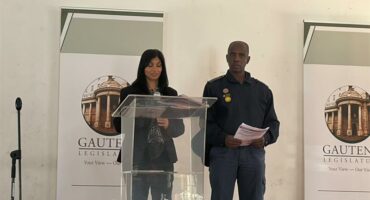
The Gauteng Provincial Government has dismissed claims that its Traffic Wardens operate illegally, reaffirming their status as legally designated peace officers working alongside SAPS.

The Gauteng Provincial Government has responded to recent allegations questioning the legality of the Gauteng Traffic Wardens (GTWs), following testimony by KZN Provincial Commissioner Nhlanhla Mkhwanazi before an ad hoc committee investigating police corruption.
While the provincial government does not intend to pursue legal action over sweeping statements, it categorically rejects the assertion that the Traffic Wardens were created in contempt of the law. The claims that the GTWs are an illegal entity have been dismissed.
In December 2023, the Minister of Justice and Correctional Services, Ronald Lamola, officially designated Crime Prevention Wardens as peace officers under Section 334 of the Criminal Procedure Act of 1977.
ALSO READ: SAPS issues warning after surge in police impersonation scams
This confers on them the same legal authority as Gauteng traffic officers.
“The GTWs programme was founded on the principles of the South African Constitution, which promotes cooperative governance and requires all spheres of government to work together in good faith,” the provincial government said in a statement.
The initiative was designed to support the South African Police Service (SAPS), not replace it, responding to a police-to-citizen ratio of one officer for every 541 residents in a province of about 16 million people.
The co-operative policing model employed by Gauteng mirrors successful programmes in other provinces, where locally funded law enforcement operates legally under SAPS authority.
Section 334(1)(a) of the Criminal Procedure Act enables the Minister of Justice and Correctional Services to confer peace officer status, granting powers to enforce designated offences.
ALSO READ: Johannesburg SAPS honours members for excellence at annual district awards
Decentralised policing structures, such as the Western Cape’s Law Enforcement Advancement Plan and various Metropolitan Police services, have already shown that limited powers can coexist with SAPS.
The Gauteng Traffic Wardens operate within a similar framework, focusing on Townships, Informal Settlements, and Hostels, providing visible policing, faster response times, and localised crime prevention strategies.
“The characterisation of Gauteng Crime Prevention Wardens as ‘illegal’ misrepresents the facts and overlooks our constitutional duty to protect residents,” the government said.
The Gauteng Provincial Government reaffirmed its commitment to collaborating with national departments and other stakeholders to finalise operational protocols, ensuring the Traffic Wardens continue to contribute effectively and lawfully to public safety.