


This family-friendly oasis a refreshing answer to density of Seoul.
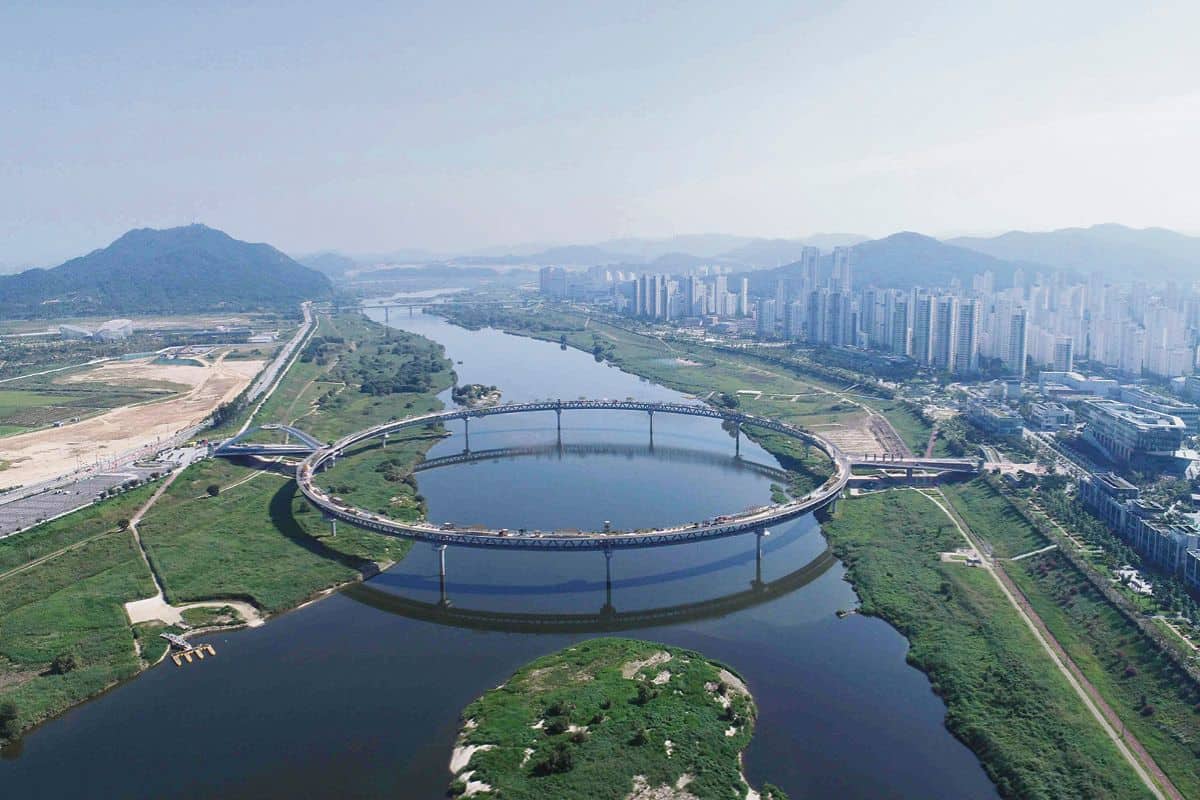
A BRIDGE TOO FAR. The Geumgang pedestrian bridge, knows as the Sejong Round Bridge is popular with joggers, families and couples. Pictures: Supplied & iStock


My time in Sejong begins gently, almost lyrically, with a family of four cycling down a perfectly maintained bicycle path just outside my hotel.
The mother pedals gracefully, while two little ones wobble confidently on their own small bikes. The father jogs behind them, a giant bright yellow Pokémon balloon floating above them like a cheerful mascot.
The autumn air is crisp, yet warmer than expected; clean enough to taste. Vehicles glide past silently, most of them electric, hardly disturbing the calm.
Families with toddlers and babies walk toward a park glowing in afternoon light. Some picnic, others toss balls, many simply enjoy the break that a holiday week offers.
It is instantly clear that Sejong is a refreshing answer to the density of Seoul, a family-friendly oasis designed for balance, breathing space and a future shaped by innovation.
Spending 48 hours here feel like stepping into a city that exists both in the present and the future.
NOW READ: Hangul is more than writing: It is woven into Korean culture
From vision to reality: Sejong’s rise as Korea’s administrative hub
Sejong’s streets are immaculate, something I notice from the large window of my room at the Courtyard by Marriott. Not a scrap of litter, not a hint of smog.
It is astonishingly clean, almost utopian in its presentation. But behind the polished surfaces lies a remarkable origin story.
The concept of Sejong began with a national vision. On 18 May, 2005, the Special Act on the Construction of the Administrative City was enacted, marking the start of one of Korea’s most ambitious development projects.
By September that year the masterplan was approved. On 21 December, 2006, the city’s name was officially confirmed as Sejong, honouring King Sejong the Great, the visionary monarch who created Hangeul.
Construction began on 20 July, 2007, and by 1 July, 2012, Sejong launched as a special self-governing city with a population of 100 000.
What followed was a decade of strategic growth. Ministries moved in phase by phase, research institutes followed, then national departments and finally, by 2018, the population had surpassed 300 000.
Amendments in 2021 and 2022 paved the way for the Sejong National Assembly Building and a future presidential office.
By last year, the establishment of the Sejong District Court confirmed its rising administrative power. Today, the city stands as the de facto administrative capital of South Korea, created to ease overcrowding in Seoul and promote balanced national development.
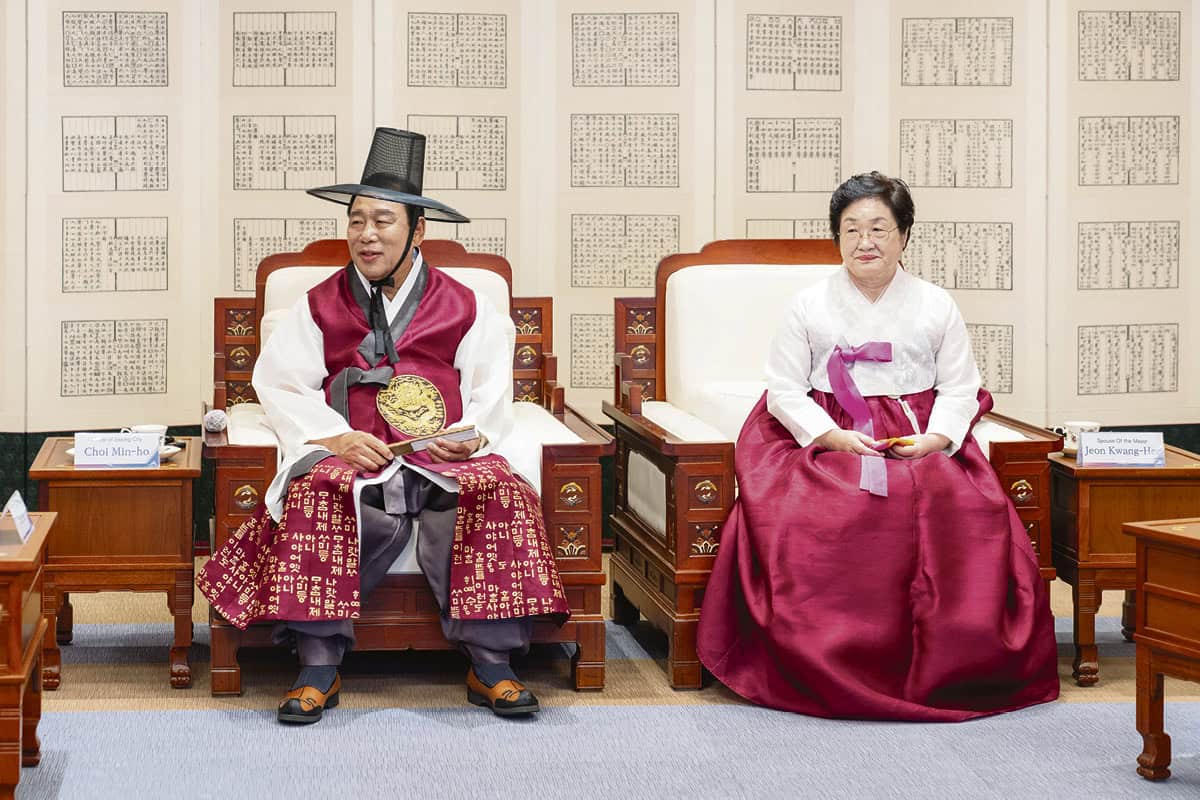
On my first morning I met the city’s charismatic leader, mayor Choi Min-Ho, a lively man who speaks about Sejong with the warmth of a proud parent.
What strikes me immediately is his impressive knowledge of international cities, especially those in South Africa. He speaks about Durban’s development corridors, Johannesburg’s smart city ambitions and Cape Town’s climate resilience as if he has lived there himself.
“We learn from others,” he tells me, smiling. “South Africa has some of the most innovative thinkers in the world. Cities evolve when they stay open to global ideas.” His passion for Sejong is unmistakable. “We are building a place where families can thrive. Where technology supports daily life, not controls it. And where culture and history remain present even as we innovate.”
The impact of artificial intelligence is visible everywhere. Sejong operates the longest self-driving bus route in the country, stretching 112km across the Chungcheong region. This autonomous zone was rated excellent in the national evaluation for pilot operations.
Plans are underway to expand a metropolitan self-driving system linking Sejong with Chungbuk and Daejeon, further strengthening the region’s futuristic identity.
Innovation meets culture: Technology, art, and legacy in harmony
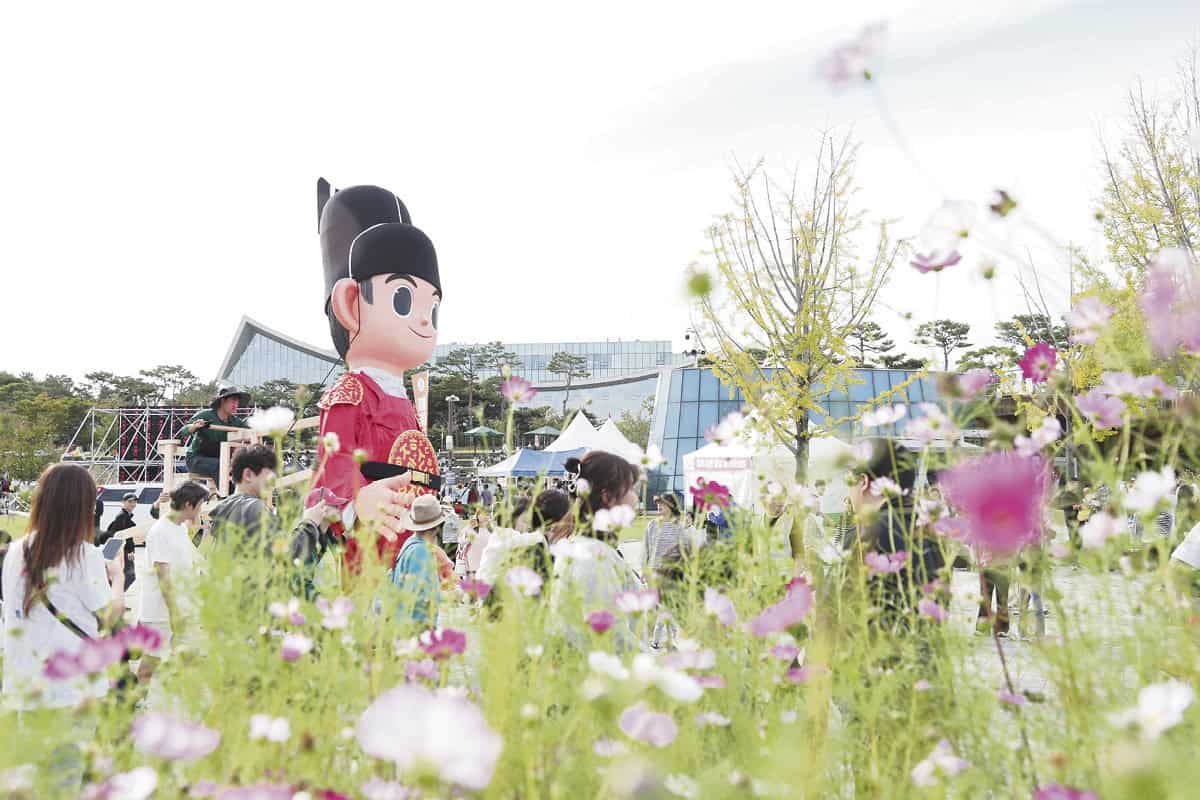
Yet, Sejong is not cold or sterile. It breathes. It laughs. It plays. The Hangeul Culture Complex, still growing in size and ambition, stands as a tribute to the city’s cultural heartbeat.
As the first city outside Seoul to host the national Hangeul Day celebration, Sejong has become home to the Sejong Hangeul Festival and the Hangeul Pre-Biennale, events that draw global admirers of the Korean alphabet and culture.
At night, I witness my first breathtaking drone show in the plaza, followed by an encounter with a pet dog robot whose mechanical movements somehow still feel adorably canine. No visit to Sejong is complete without exploring its art spaces.
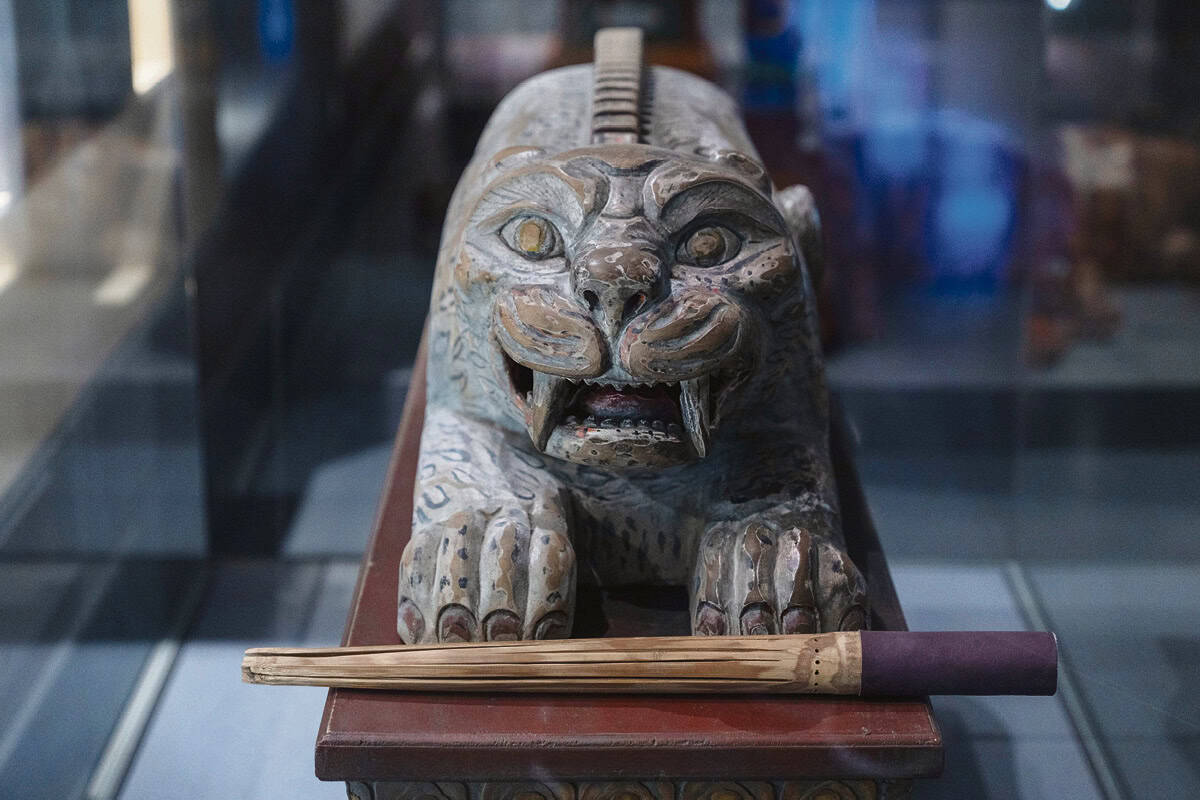
The Sejong Museum of Art offers a striking mix of digital installations, modern Korean works and interactive exhibitions.
Light plays across the white walls as visitors move silently between rooms. A short ride away, the Jochiwon 1927 Art Center presents a more intimate collection, focusing on regional artists. It’s there where I experience an encounter with a famous K-pop star who are shooting a TV show. After introducing themselves, they ask for a short interview for their show. I oblige, it’s my one opportunity to live out my k-drama dreams and appear on Korean TV.
Together, these museums highlight the city’s role as both emerging cultural key point. Sejong city is, after all, named after King Sejong, creator of the Hangul alphabet. But perhaps Sejong’s most defining characteristic is its devotion to families.
Korea’s low-birth rate has been a national concern for years and here the response is visible: wide parks, safe walking paths, playgrounds and serene lakefronts and jogging paths. Koreans love jogging and fitness.
During my stay, I see couples strolling with newborns, toddlers chasing each other through park gardens and parents teaching teenagers to ride bicycles. It feels like a city designed for childhood, for nurturing, for long afternoons spent outdoors.
The most meaningful moment of my visit happens outside the city limits at the Historic Site of King Sejong in Yeoju. A Unesco heritage site, it includes Yeongneung, the tomb of King Sejong the Great, and Nyeongneung, the tomb of King Hyojong.
The grounds are spacious, solemn and breathtakingly serene. Locals walk quietly along the grassy mounds, some bowing deeply, others simply absorbing the significance of the space.
Visiting the tomb of King Sejong feels almost sacred, a reminder that the city named after him carries a legacy far deeper than modern architecture.
I stroll through the grounds while a local walks past me at a faster pace, a friendly Korean man joins me on my slow walk asking me where I’m from and getting excited when I share that I’m South African.
He tells me how this is an important place for Koreans and it’s rare that they get foreigners visiting the historical site but how it pleases them as they would be happy if more people were keen to learn about the Korean culture.
As evening settles on my final day, I return to Sejong Lake Park. The water reflects pastel streaks of sunset. Children run, parents laugh softly, couples share warm drinks from nearby cafes, coffee is one of the most popular drinks.
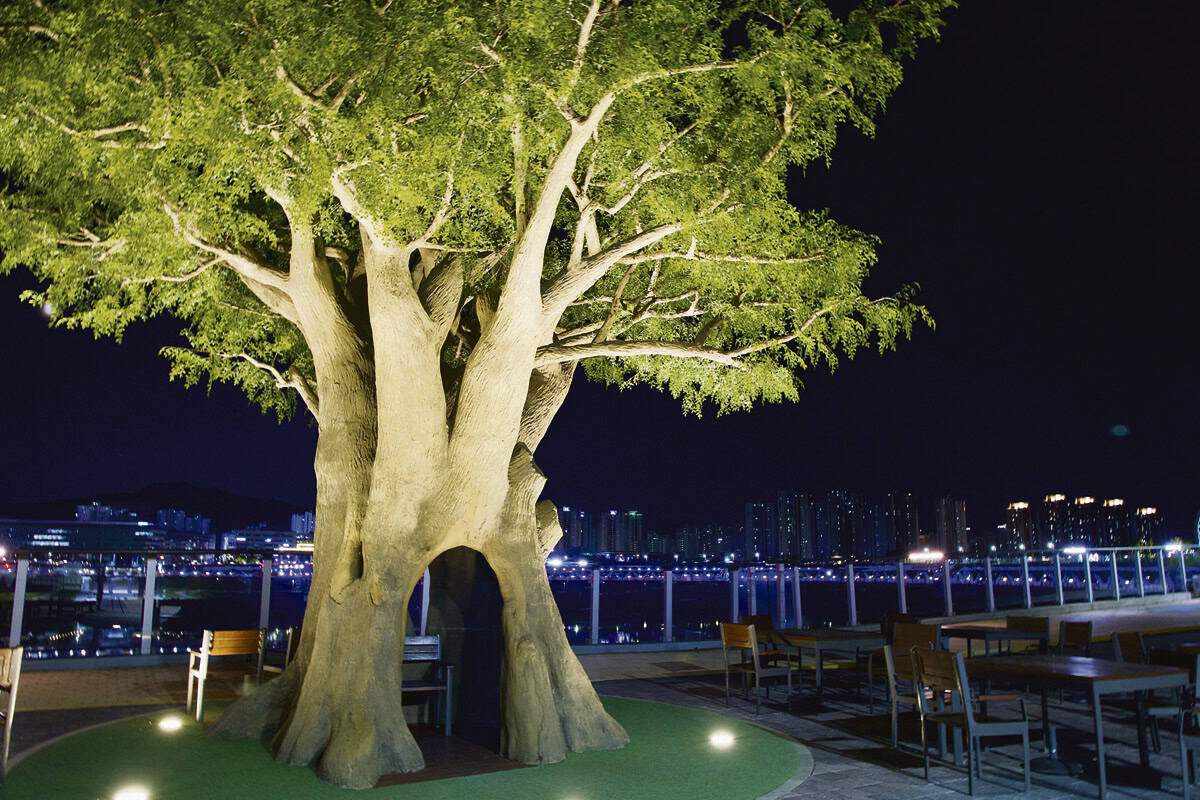
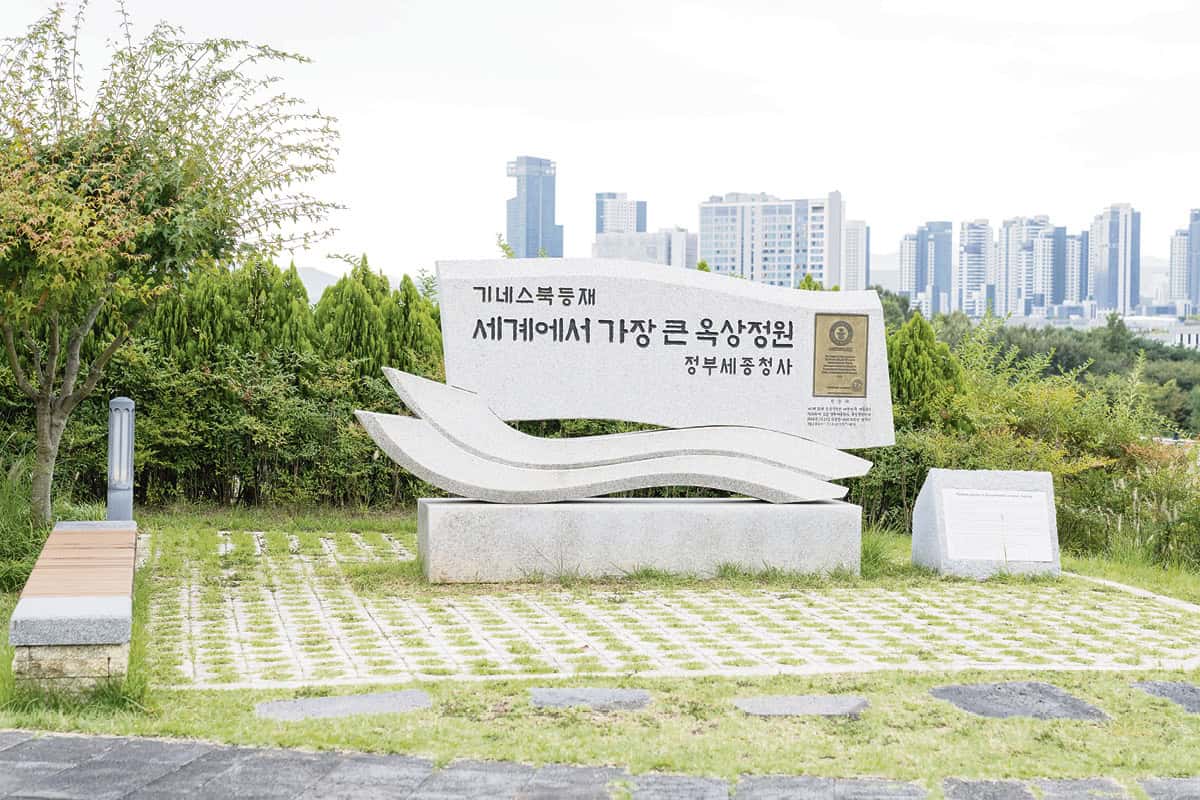
In the distance the government buildings glow like polished stone lanterns. Within the city are trees with lights, bridges have spots that are ideal for selfies, tourists are accommodated here.
Sejong is young, barely 15 years old, but confident. It is futuristic yet grounded, ambitious, yet gentle. With leaders like mayor Choi Min-Ho shaping its future and families giving it life, the city stands as one of the world’s most successful experiments in balanced, people-centred urban design.
In just 48 hours, this city reveals itself as a place where history, community and technology not only coexist, but elevate one another. A city that feels like a promise fulfilled.
NOW READ: London adventures by Tube
Support Local Journalism
Add The Citizen as a Preferred Source on Google and follow us on Google News to see more of our trusted reporting in Google News and Top Stories.

