
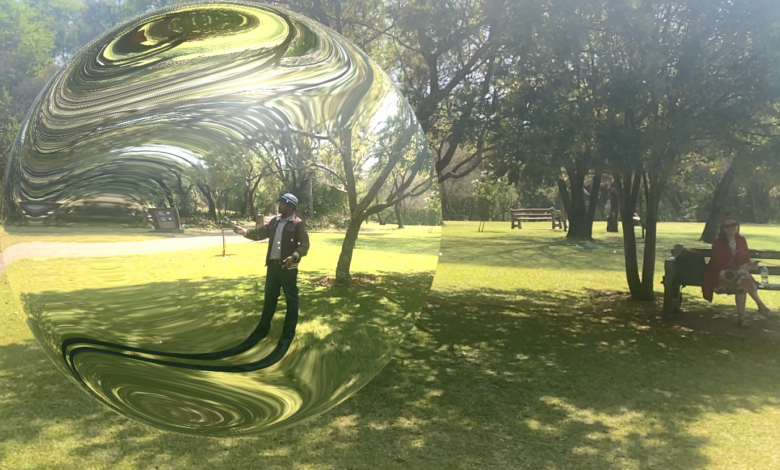
The exhibition was launched at 12 Botanical Gardens across six countries in 2021 and now extends to a further 10 locations for a second season this October.
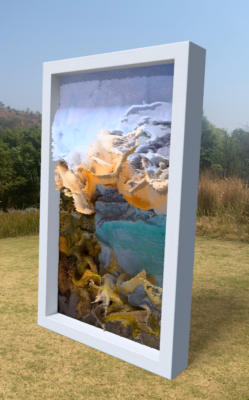
Seeing the Invisible features works by more than a dozen international artists. Visitors will engage with Seeing the Invisible via an app designed for the exhibition downloadable to smartphones and tablets.
Forging new links between gardens located in diverse biomes around the globe, the exhibition fosters collaboration between institutions, artists, and audiences, highlighting the power of art to connect people around the world.
Seeing the Invisible will place the same exhibition of commissioned artworks in analogous sites in all outdoor settings located in different biomes all around the world, creating parallels and contrasts between them.
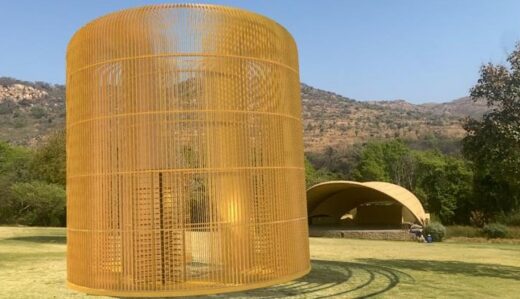
The AR nature of the exhibition allows for the creation of expansive, immersive works that engage with existing features of the natural landscape beyond the limitations of what is possible with physical artworks.
Many of the works created for the exhibition will address related themes around nature, environment, sustainability, and explore the interplay of the physical world with the digital one.
Seeing the Invisible is accessible via smartphone and tablet through the Seeing the Invisible app, which will be available for iPhone and Android in the App Store and Google Play. Further details are on the website www.seeingtheinvisible.art
Visit https://www.sanbi.org/gardens/walter-sisulu/seeing-the-invisible/ for more information.
Walter Sisulu National Botanical Garden (South Africa).
The 296 ha Walter Sisulu National Botanical Garden was founded in 1982 and first opened to the public in 1987. This conservation garden, which includes a spectacular natural waterfall, hosts more than 270,000 visitors annually, and includes representation of three main natural vegetation types: Northern Afrotemperate Forest, Egoli Granite Grassland and Gold Reef Mountain Bushveld.
The garden was named after the late Walter Sisulu, an anti-apartheid activist. The Garden continues to make valuable contributions towards job creation, improving the local economy, promoting environmental awareness through dedicated programmes, and promoting healthy lifestyles.
All the theme and display gardens feature plants indigenous to South Africa. The estate is home to an abundance of wildlife, including some threatened species.
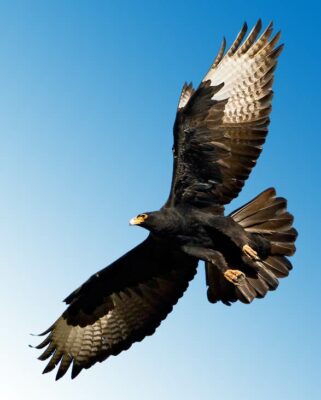
The garden plays an important conservation role, not least the protection of one of the few remaining populations of the Endangered Albertina Sisulu Orchid. It also popularly hosts a breeding pair of Verreaux’s Eagles, and nearly 250 bird species.