
Living on toxic soil: Zambia must urgently address human rights violations in Kabwe
Toxic waste, from mining, has lead to many suffering "profound and permanent adverse health effects and disabilities".
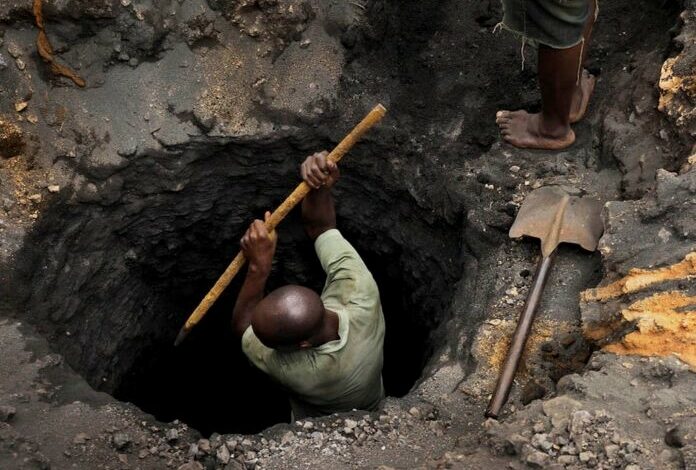
“More than 25 years after the Kabwe mine and smelter in Zambia closed, it is scandalous that some 300,000 people still have to live on toxic soil.” These are the words of the United Nations expert on Toxics and Human Rights in his 2021 report, which expresses alarm at the devastating lead pollution in the Kabwe mine region which has negatively impacted the health of Zambians. The World Health Organization (WHO) claims that lead poisoning has resulted in young children suffering profound and permanent adverse health effects and disabilities, including in the development of the brain and the nervous system. The class action lawsuit brought against British mining Anglo American in South Africa in 2020 on behalf of women and child victims intends to claim reparations from the corporation. Exploitation in Africa by European multinational corporations have taken place for decades, without accountability nor remedy for victims suffering from the life-threatening consequences of environmental degradation.
According to international human rights norms and standards, the Zambian Government has the primary responsibility to hold the corporation accountable and to ensure that human rights violations, such as the right to health and a clean environment, are not infringed. Yet the government has failed in this respect. Following operations by Anglo American in the Kabwe lead mine from 1925 to 1974 where the toxic waste was not removed, the mine was privatised allowing Anglo American to act with impunity. The government provided other corporations with licences to operate the mine without human rights due diligence and environmental reports, until it was closed in 1994. This resulted in increasing lead pollution which continues to this day. Given the immense impact on the health of its citizens, the assumption is made that Zambia would take urgent and significant measures to ensure a sustained health program for the victims, and protect the community from further lead pollution.
In 2022, the government agreed to co-host the 2nd U.S. Democracy Summit in March 2023. By aligning itself with supporters of the Summit, Zambia has clearly demonstrated that the economic and social rights of its people, of which the right to health is essential, does not take precedence. The far-reaching consequences of health risks impinges on the citizens’ rights to education, work, and sustainable livelihoods. UN human rights experts have been repeatedly calling on the government to recognize the urgency of the Kabwe situation. The 2nd U.S. Democracy Summit intends to focus on ‘democratic renewal,’ the intensification of ‘democratic resilience,’ and human rights as ‘pillars of democracy.’ These vague notions are rendered meaningless when seen against the existing and urgent need of Zambia to address its national development.
This posturing by the United States led by President Joe Biden is aimed at promoting democracy under the assumption that the U.S. is the moral authority on democracy. How exemplary is the U.S. election process when the Electoral College favours some states, resulting in the contesting of election results? Yet through forums such as the U.S. Democracy Summit, the U.S. seeks to impose its political system and its American-style democracy on participating states. Those with financial means and who enjoy political patronage in America benefit exclusively. The interests of the powerful are advanced over national development, resulting in the majority remaining in poverty in an unequal society where only the political elite prosper. The approach to selective invitations to the Summit clearly shows America’s flawed perception regarding the divergence between countries considered ‘democratic’ and ‘non-democratic.’ Those states not invited are believed to have democratic deficits.
The Zambian Government has ratified the human rights treaties and is under a legal obligation to promote economic and social rights. It is imperative that the government demonstrates an uncompromising commitment urgently addressing the plight of its people in Kabwe who continue to endure living on toxic soil. Zambia must prioritize national development rather than be distracted by platitudes on democracy and be schooled by the U.S. in the erroneous belief that political and civil rights are superior to economic and social rights, especially the right to health. The government should not be compelled to leverage its resources to implement action plans on democratic resilience and renewal emanating from the Summit, to the detriment of its national development.
Lilian Naidoo
South Africa
Alpha Consultancy
npokzn@gmail.com