
Friends of Pigeon Valley tackle lingering threat of alien plants
In a bid to counter the war on alien plants, a group of friends and volunteers of Pigeon Valley embarked on a mission to remove the invasive growth and protect indigenous species.
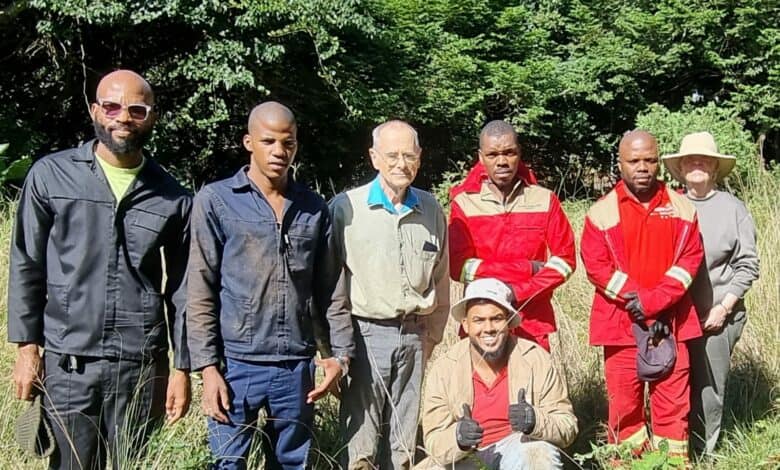
A GROUP of public-spirited citizens removed large quantities of alien plants from Pigeon Valley this week.
Crispin Hemson, convenor of the Friends of Pigeon Valley, said that the work of removing alien species was overwhelming and benefits hugely from the additional support of volunteers.
“Without the removal of these invaders, the biodiversity of Pigeon Valley would be limited. Protecting habitats is one of the key elements in conservation, and visitors are rewarded by seeing a range of plant, bird and mammal life that is remarkable for an urban reserve,” said Hemson.
Also read: Durban plant fair roots for indigenous plants
The Department of Forestry, Fisheries and the Environment warned about invasive plants. “The longer the property owner takes to deal with these species, the more impact on the value of land and productivity of the land. Invasive alien species threaten ecosystem and biodiversity in a number of ways: They have impact on water – when alien plants invade catchment areas, they reduce the volume of water reaching rivers and dams, and may even stop streams from flowing. It also blocks sunlight from aquatic organisms, and may cause livestock losses through drowning. Use soil nutrients – invasive alien plants grow fast and therefore use up large amounts of soil nutrients, reducing the nutrients available for indigenous plants. Decrease in agricultural production – invasive alien plants that are crop weeds can reduce the success of crops, by depleting the soil of water and nutrients, and by contaminating harvests with their own seeds. Fuel for fires – soft woods, like Pine, tend to grow in dense thickets. These catch fire easily, and the fire is hotter than normal because there is more matter available to burn, which intensifies the damage caused by fires.”
For more from Berea Mail, follow us on Facebook, X and Instagram. You can also check out our videos on our YouTube channel or follow us on TikTok.
Click to subscribe to our newsletter – here