
Learners harness technology to tackle water, flood challenges in finale
Gordon Road Girls' School was transformed into an innovation hub of creativity and innovation as 126 Grade Six learners gathered. The Kuunda Disrupt Programme marked a significant milestone in the journey to bridge the digital divide and empower young minds with the tools to solve real-world problems through technology.
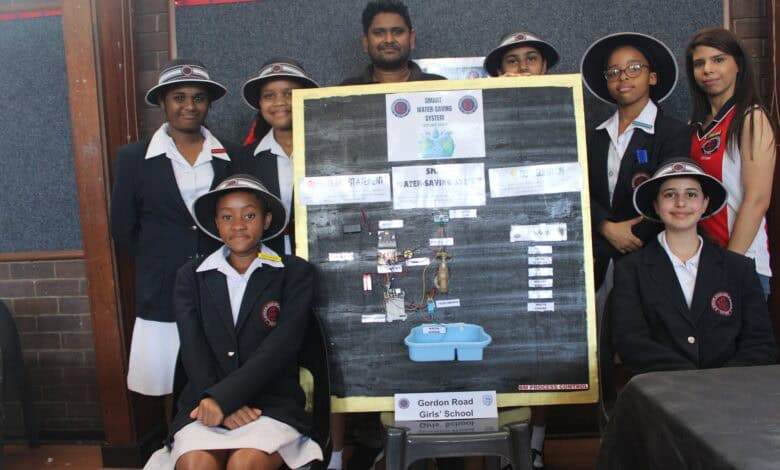
LAUNCHED in July when Grade Six learners from across 21 local schools stepped into the world of technology with a touch of creativity, the Standard Bank Kuunda Disrupt Programme unveiled three forerunners in the grand finale at Gordon Road Girls’ School on Friday.
The Kuunda Disrupt Programme, a flagship initiative by Standard Bank Group Technology, is designed to ignite curiosity and foster innovation among learners from under-resourced schools. These schools often lack access to IT labs, coding classes, or robotics education, making the achievements on display even more remarkable.
Over the past several months, participating learners were introduced to coding and digital problem-solving using Raspberry Pi and Micro: bit kits, guided by dedicated technical mentors. The challenge was simple yet profound: create a solution that addresses a pressing issue in their school or community.
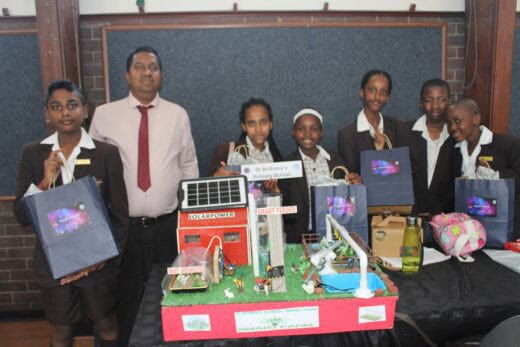
Despite having no prior technical background, the learners demonstrated ingenuity and resilience, producing projects that reflect the realities and priorities of their communities. From water conservation to flood prevention and sustainable farming, the themes of the winning projects underscore the urgent challenges faced by KZN, a province that has endured devastating floods and water-related crises in recent years.
Among the standout innovations was the Water Alert System developed by Gordon Road Girls’ School. This practical solution detects leaking taps and sends real-time alerts, helping to prevent water wastage and promote environmental responsibility.
Equally impressive was the Flood Monitoring System created by Glenashley Primary School. Designed to protect informal settlements from flooding, the system uses sensors to provide early warnings, potentially saving lives and property during heavy rains.
Also read: Local schools decode hackathon challenge
St Anthony’s Primary School took a different but equally impactful approach with its Smart Farm project. This fully automated farming system addresses multiple challenges, including job shortages, water conservation, and energy efficiency. By integrating sensors and automation, the Smart Farm optimises agricultural operations, demonstrating how technology can drive sustainable food production and economic resilience.
Sershni Govender, Standard Bank Head of Innovation – Kuunda Disrupt, said: “These learners have shown us that innovation isn’t limited by resources or experience. The projects speak to the heart of their communities’ needs and prove that technology can be a powerful tool for social change. What we witnessed today is not just a showcase of creativity, but a glimpse into a future where young South Africans are equipped to lead in the digital economy.”
All entries in this year’s final showed an exceptionally high standard, reflecting the dedication of the learners and the support of their teachers and mentors.
For more from Berea Mail, follow us on Facebook, X and Instagram. You can also check out our videos on our YouTube channel or follow us on TikTok.
Click to subscribe to our newsletter – here