Ekurhuleni commits to steady growth with new budget for 2025/26
One of the most significant shifts in this year’s budget is the city's commitment to reducing dependency on outsourced services.
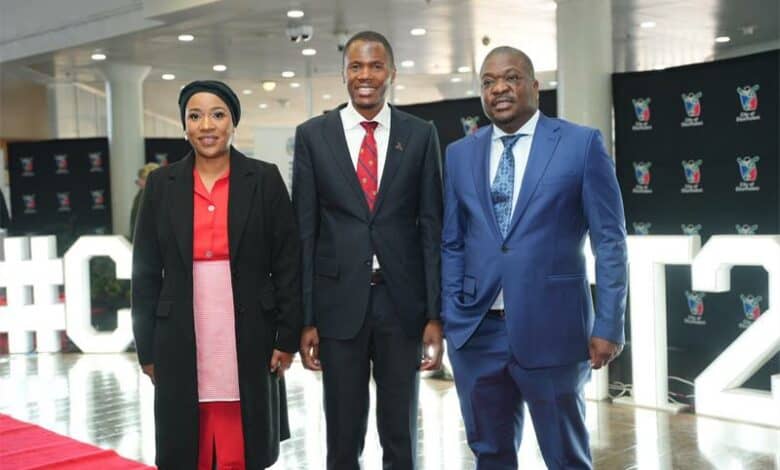
MMC for Finance Jongizizwe Dlabathi delivered the City of Ekurhuleni’s 2025/26 budget speech last Thursday, emphasising stability, accountability, and a renewed focus on delivering basic services.
His address aligned with the developmental priorities set by Executive Mayor Alderman Nkosindiphile Xhakaza during the recent State of the City Address. Dlabathi reported a marked improvement in the city’s financial position.
“I am pleased to report that our rating outlook has been revised from negative to stable. This is due to prudent fiscal management and lower gearing.”
Budgeting for basics and development
The city’s total revenue budget of R65.5 billion is aimed at restoring and maintaining essential services through six developmental pillars:
• Provision of quality and sustainable services.
• Rebuilding a strong financial base.
• Maintenance of public infrastructure.
• Investment in critical infrastructure.
• Economic growth, especially through the Aerotropolis and manufacturing.
• Good and ethical governance.
These priorities focus on service delivery basics: fixing potholes, clean streets, repairing infrastructure, and tackling corruption.
ALSO CHECK: Letter: Stranger pays pensioners’ bill in touching act of kindness
Tariffs: balancing service delivery and affordability
Key tariff proposals include:
• 0% increase on property rates and burial fees.
•10% increase for sanitation.
• 15% increase for water (reduced from 17%).
• 6% increase for refuse removal.
• Electricity tariffs in line with NERSA guidelines.
• 4.3% increase on other sundry tariffs.
The city will scrap the R1 500 stolen cable reconnection fee, effective 1 June.
Reducing outsourcing, investing in capacity
A notable shift is the move away from outsourced services. The employee budget increases from R11.7b to R13.4b, enabling the recruitment of 700 permanent cleaners and 290 EMPD officers. An additional R303 million is allocated for tools of trade and staff upskilling.
Repairs and maintenance see a R3.5b allocation—up from R3.1 billion—demonstrating intent to meet Treasury’s 8% benchmark.
ALSO CHECK: 2026 Online admissions for grades one and eight open in July: Here’s what you need to know
Key infrastructure investments
Highlights include:
• R1.4 billion for energy infrastructure.
• R946 million for roads and transport, with R527 million for the Hlasela Amapotholes campaign.
• R550 million for water and sanitation.
• R41.3 million for traffic signals.
• R207 million for road marking and stormwater maintenance.
• R54 million for sinkhole repairs.
• R411 million to procure mobile toilets.
The capital budget of R3.1 billion will support completion of existing projects and improve infrastructure, especially in under-serviced areas.
Human settlements and public safety
To address the housing backlog, R491 million is allocated towards human settlements, including:
• R139 million for mega projects.
• R137 million for serviced stands.
• R59 million for hostel redevelopment.
• R46 million for social housing.
R36 million is budgeted to equip newly appointed EMPD officers and convert traffic wardens into law enforcement officials.
Firm stance on accountability
Dlabathi warned against poor spending: “There is zero appetite for poor spending. Where such occurs, firm accountability and consequence management ought to be exercised.”
He added that investment would increase in ICT, waste management and water infrastructure. Municipal entities like ERWAT and Ekurhuleni Housing Company will see increased allocations from R107 million to R300 million.
In closing, Dlabathi urged residents to pay for services. “Every able resident, whether in a township, suburb, RDP house, hostel or informal settlement must contribute to the services they expect and demand.”