



The IMF believes that South Africa still has much to do to accelerate economic growth, such as upgrading infrastructure and reducing public debt.
Picture: iStock


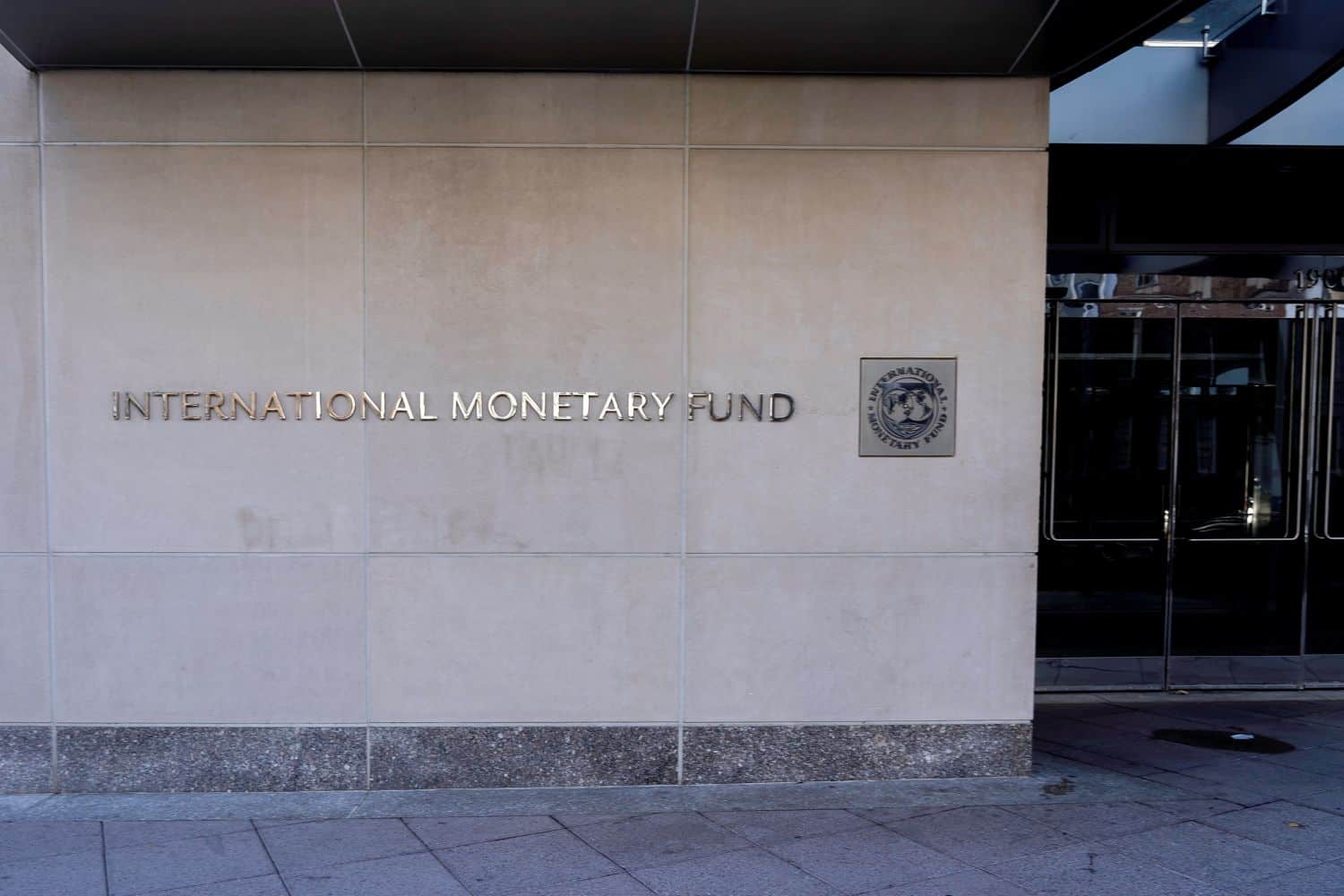
The IMF is impressed with South Africa’s decision to lower the inflation target and its removal from the Financial Action Task Force’s greylist but says much still needs to be done to create jobs and accelerate economic growth.
An International Monetary Fund (IMF) team led by Delia Velculescu visited South Africa at the beginning of December to meet the economic authorities and other counterparts from the public and private sectors for the 2025 Article IV annual consultation.
Discussions focused on policies to ensure macroeconomic stability and the structural reforms needed to durably lift potential growth, create jobs and reduce poverty and inequality.
The IMF team noted that the South African economy has proven resilient to renewed global turbulence this year. “Faced with greater protectionism, tariffs and heightened policy uncertainty, the economy has shown resilience, owing to its abundant mineral wealth, independent institutions, credible inflation-targeting framework, flexible exchange-rate regime and deep domestic capital markets.
ALSO READ: GDP: Economy grew by only 0.5% in third quarter
IMF likes South Africa’s new inflation target and exit from greylist
“Financial market indicators have improved, in part reflecting important domestic policy developments, such as the shift to a lower inflation target and exit from the greylist, which, together with the recent Medium-Term Budget Statement’s reaffirmation of the government’s commitment to debt stabilisation, led to an upgrade of South Africa’s credit rating.”
However, the IMF team said, persistent impediments, including product and labour market rigidities, spatial disparities, governance weaknesses, inadequate infrastructure and elevated public debt, constrain the economy’s ability to rebound strongly from shocks, create needed jobs and achieve its true growth potential.
The IMF expects activity to improve gradually. “After two quarters of strong activity, growth is projected to reach 1.3% in 2025 and 1.4% in 2026, driven by continued robust private consumption. “While exports remain hampered by tariffs and continued global trade policy uncertainty, strong commodity prices are supporting export receipts in the near term.
“Ongoing electricity and logistics reforms are expected to boost investment over the medium run, with growth projected to reach 1.8% by the end of the decade. In view of the move to a new lower inflation target, inflation is projected to average 3.3% in 2025 and 3.6% in 2026, before settling to 3% by the end of 2027 and beyond.”
ALSO READ: Here are SA’s top 10 business risks, with economic slowdown in first place
Global geopolitical tensions could be a risk, IMF warns
The IMF expect that risks will remain tilted to the downside. “Weaker-than-expected global activity in the context of heightened geopolitical tensions, escalating trade measures and prolonged global policy uncertainty, could dampen exports and increase commodity-price volatility.
“An abrupt global financial market correction and tighter financial conditions could lead to exchange-rate and capital-flow volatility and higher sovereign bond yields. On the domestic side, higher costs of disinflation may affect activity in the near term, while a slower pace of structural reform implementation may exacerbate supply-side constraints and weigh on medium-term growth.”
On the upside, the IMF expect that more ambitious domestic reforms, combined with a de-escalation of tariffs and improved global demand could help boost confidence and support investment and growth.
ALSO READ: Instead of reducing red tape, small business development makes more legislation
IMF recommendations for South Africa
The IMF recommendations include:
- A credible, growth-friendly and politically and socially feasible adjustment is needed to stabilise and reduce public debt, while safeguarding critical spending.
- More ambitious medium-term targets to support debt sustainability.
- Reprioritising and improving the efficiency and fairness of public spending is essential to support the adjustment and achieve social and political buy in.
- Improving the efficiency of procurement practices by finalising the implementing regulations of the new Procurement Act, along with strengthening internal controls, transparency and accountability.
- Rationalising the wage bill, building on ongoing efforts to incentivise early retirement, strengthen payroll integrity and link pay with performance.
- A fiscal rule anchored in a prudent debt ceiling can help underpin the consolidation and support policy credibility.
- The priority remains to swiftly implement ongoing electricity and logistics reforms allowing for competition through increased private-sector participation.
- An ambitious package of product-market, governance and labour market reforms is necessary to help unlock the private sector’s full job and growth potential.
- Reforms focused on streamlining licensing and permitting.
- Sustained efforts remain necessary to address corruption and governance weaknesses.
- Complementary labour-market reforms are also needed to support job creation and reduce inequality.
Support Local Journalism
Add The Citizen as a Preferred Source on Google and follow us on Google News to see more of our trusted reporting in Google News and Top Stories.

