Parliamentary committee members have questioned the effectiveness of tourism funding schemes aimed at supporting small businesses.
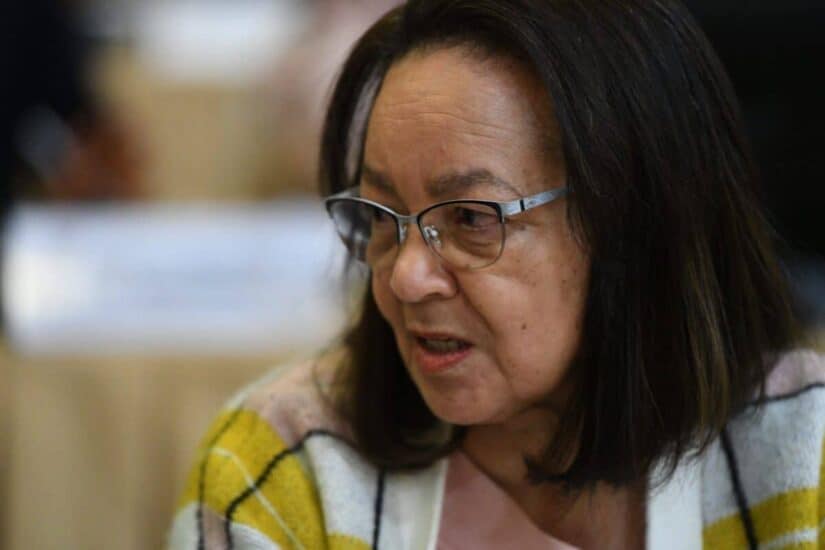
Tourism Minister Patricia De Lille. Picture: Gallo Images/Lefty Shivambu


The department of tourism has come under fire for failing to report honestly on the performance of its tourism incentive programmes (TIPs), which critics say are mired in bureaucratic red tape and have stifled the growth of small, medium and micro enterprises (SMMEs).
Designed to transform the sector by empowering small entrepreneurs through funding, TIPs have instead left hundreds of applicants stranded.
Suspension of fund sparks criticism
The suspension of the Tourism Equity Fund (TEF) without notifying parliament’s tourism portfolio committee was seen as undermining transformation objectives.
Officials confirmed that TEF applications and operations were halted in the fourth quarter of 2024-25 at the instruction of the minister.
As of 31 January, TEF had received 442 applications at the basic assessment stage, 58 under due diligence review, and 23 projects approved to the value of R446 million.
Of this, R239 million was committed for grants and accessory loans. Tourism director-general Nkhumeleni Victor Vele and his team were recently grilled by the portfolio committee.
MPs question department’s transparency
Members accused the department of dishonesty, saying its presentation did not reflect the reality experienced by applicants.
They were asked why some funding applications were approved at once and others left for later.
Most applications were rejected without a valid reason and many applicants had decided to withdraw against their will due to delayed approval which rendered the funds no longer necessary due to high cost after long delays.
Committee members raised concerns about the difficulty of accessing funding, particularly for black-owned, rural and township enterprises.
They cited excessive red tape, long approval periods, delayed disbursements, poor communication and inadequate outreach in rural areas.