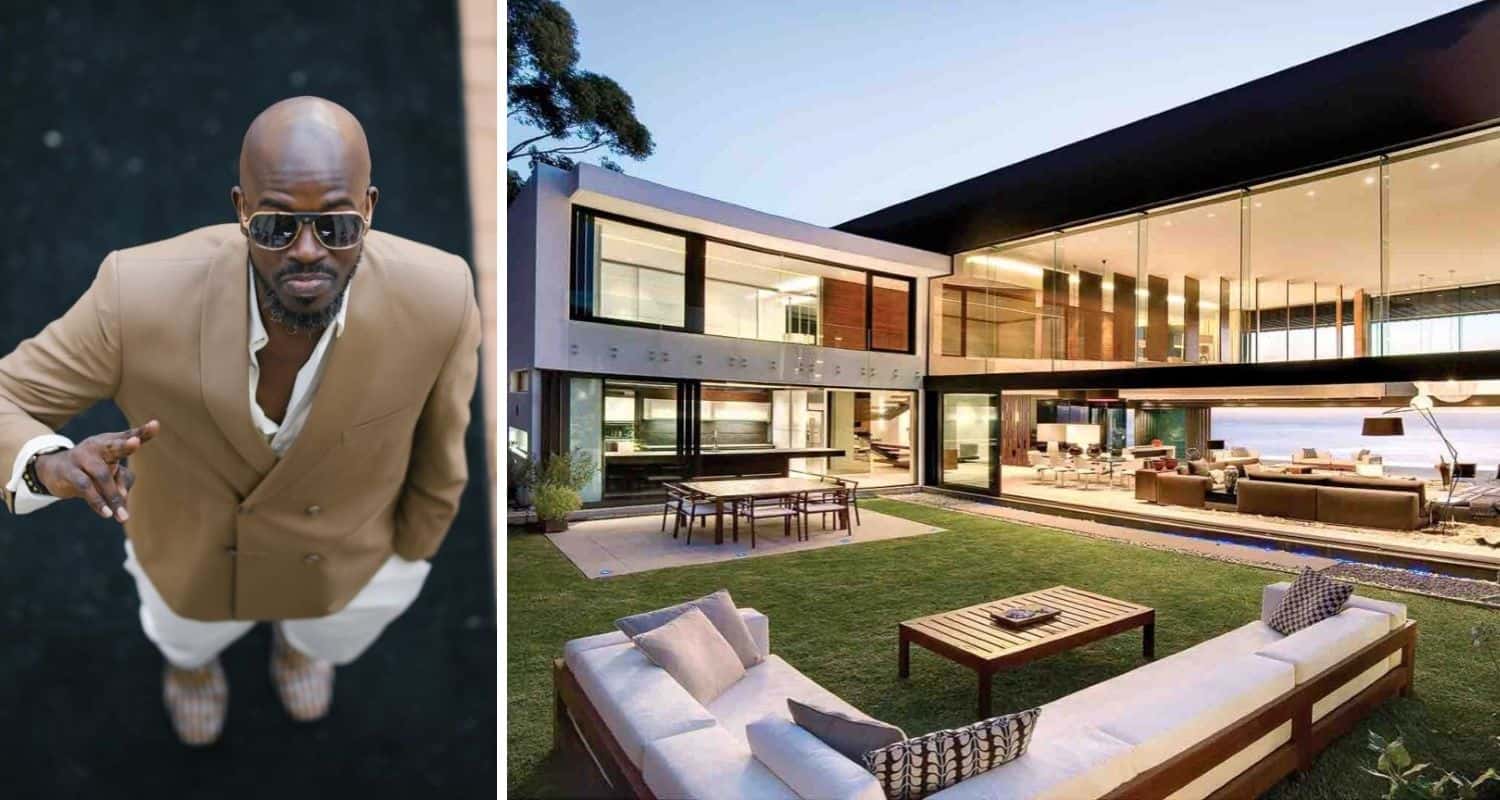
Black Coffee highlights how his divorce from actress Enhle Mbali differs significantly from the landmark ruling on customary marriages.
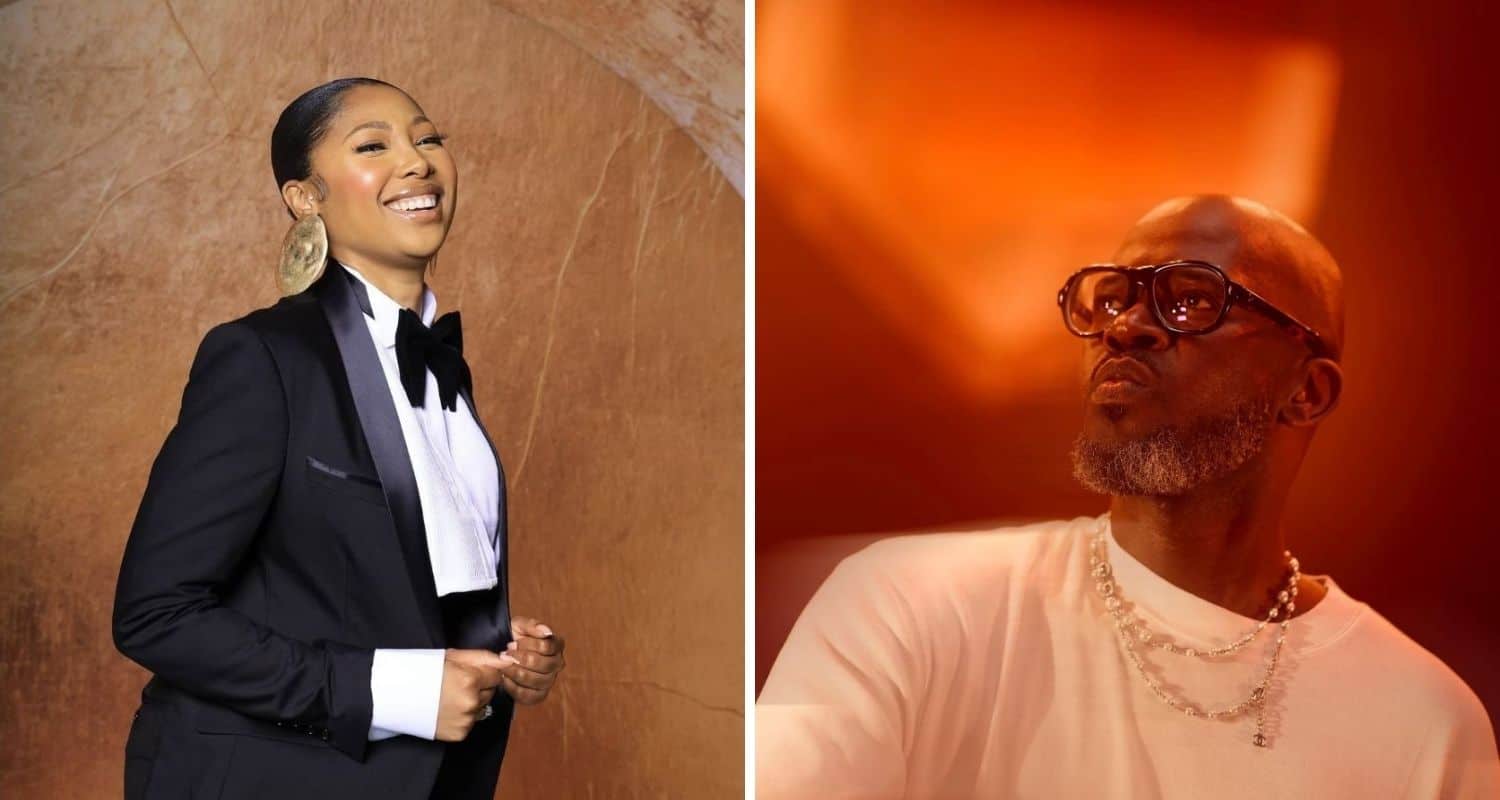
DJ Black Coffee and Enhle Mbali. Pictures: Instagram


Grammy-winning DJ and producer Black Coffee has weighed in on this week’s Constitutional Court’s landmark ruling on customary marriages and prenuptial agreements, breaking his silence amid renewed scrutiny of his highly publicised divorce from actress Enhle Mbali Mlotshwa.
The ruling, which has wide-reaching implications for couples married under customary law, has once again placed the internationally renowned DJ’s personal life under the spotlight, with many South Africans revisiting the legal complexities surrounding his former marriage and ongoing court proceedings.
In a nutshell: What the Constitutional Court ruling means
On Wednesday, 21 January, the Constitutional Court handed down a landmark judgment clarifying the application of prenuptial agreements to customary marriages.
The ruling effectively confirmed that customary marriages can be governed by antenuptial contracts, provided these agreements are properly executed and registered.
According to IOL, legal experts say the judgment provides long-overdue clarity and legal certainty for couples who enter customary marriages while also signing prenups – an issue that has often resulted in confusion and disputes in divorce cases.
The ruling serves as a reminder for couples blending customary and civil traditions to seek legal advice early. It promotes clarity in marital regimes, protecting joint estates while respecting cultural practices.
Black Coffee responds to ConCourt ruling buzz
The ruling has reignited interest in the long-running divorce saga between Black Coffee and Enhle Mbali. Their case stems from a 2011 traditional Zulu union, followed by a 2017 civil marriage and antenuptial contract.
A Gauteng High Court judgment in October 2025 recognised the customary marriage as valid and in community of property, nullifying the later prenup and ordering asset division, spousal maintenance (around R67 000 monthly), and child support.
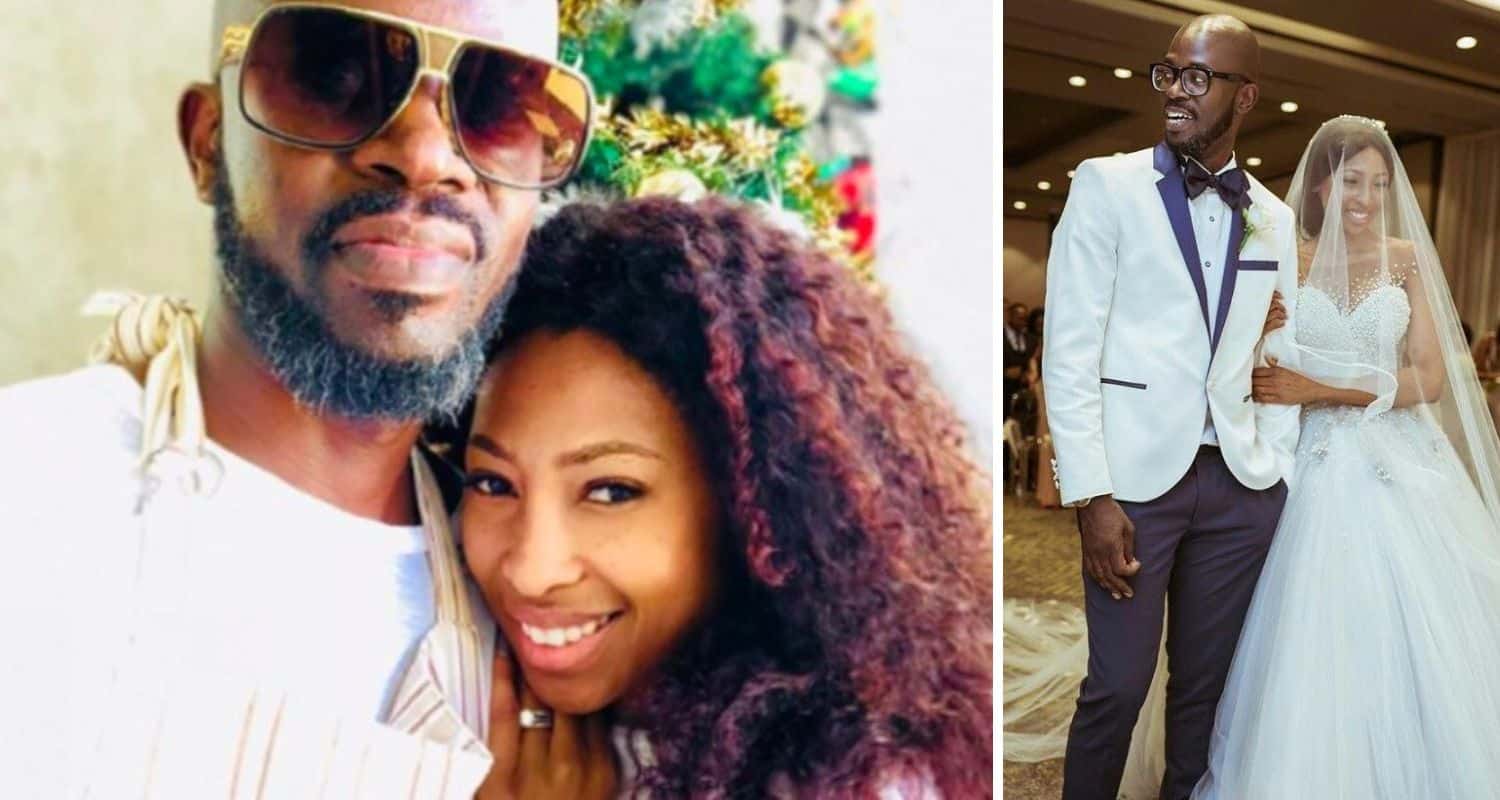
Black Coffee, who is appealing aspects of the High Court decision to the Supreme Court of Appeal (with leave granted in early 2026), broke his silence amid online speculation linking the case to the Concourt ruling.
‘I’m probably going to get in trouble with my legal team’ – DJ Black Coffee
He clarified in a social media post that the ConCourt case differs from his own, stating there was no customary marriage in his situation.
“Spot on. I’m probably going to get in trouble with my legal team for this comment, but as you said, this is not just about me anymore, and keeping quiet about this hasn’t helped me in any way.
“Either way, details of our case at this point are out there. The case you mentioned is different from our case because there was no customary marriage; however, here are a few important points to note and some of the reasons for my appeal.
“1. Intention (we both never intended to enter into a customary marriage). All the details supporting this are in our case, as documented by both of us. 2. Prenup: We signed this as our first step to the agreed civil marriage (even our prenup states that we were unmarried).
“I obviously will not divulge more than this, but I hope this carries enough weight to keep the conversation going for all🙏🏿”
Mixed reactions
His comments, shared publicly despite potential legal advice against it, aimed to counter assumptions and keep the conversation informed.
The response drew mixed reactions, with some praising his transparency and others debating cultural interpretations of lobola as constituting marriage.
Life beyond the courtroom for DJ Black Coffee
Away from legal matters, Black Coffee continues to make headlines for his success and lifestyle.
The Citizen has previously reported on his luxury R150-million Clifton mansion, car collection, international tours and growing global influence.