
Joburg's ArtEye Gallery takes South African art to Europe. Here's why local art's been selling like hot cakes in Stuttgart, Germany.
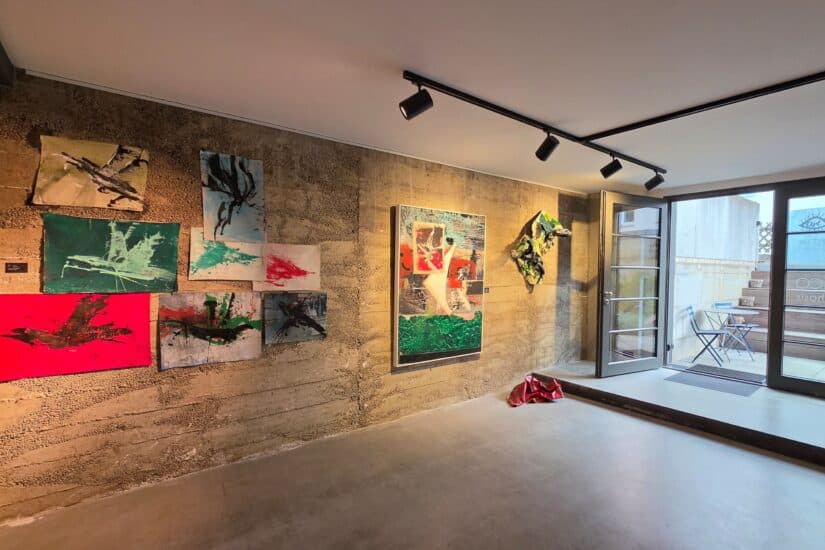
Mzansi art selling like hot cakes in Germany. Picture: Supplied


Joburg’s ArtEye gallery has made an impressive entrance into the European market, selling an average of one South African artwork every two days since opening in Stuttgart, Germany.
Since opening just under two months ago, the gallery has sold approximately 30 works and, at the same time, introduced local artists to a new audience of international collectors.
The expansion follows years of planning, with ArtEye owner and curator Tyrone Selmon determined to establish a European presence without compromising the identity of South African contemporary art. “We have always wanted to cross cultural and continental borders and create connections through art,” he said. “Our ambition was to find audiences who appreciate and recognise the value of South African art. We knew those audiences existed. We simply needed the right opportunity to reach them.”
Selmon said the gallery, which has operated for 17 years, had received several approaches from prospective international partners. Finding someone who understood its artistic philosophy had taken time. “We didn’t want to become more European. We wanted to celebrate the raw integrity of African art,” he said. “South Africa is an incredibly multicultural society, influenced by so many different traditions. That diversity gives our artists something unique to offer the world.”
A lot to offer the world
The Stuttgart gallery was established in partnership with Gisela Meyer, a German collector and longstanding client who previously lived in South Africa. Their friendship developed into a business partnership after years of discussing the possibility of opening a European gallery. “Opening a gallery in this economic climate was never going to be easy, but I told Gisela that if she wanted to do it, I would support her completely,” Selmon said. “She’s found a beautiful space in central Stuttgart, and she’s been selling extremely well.”
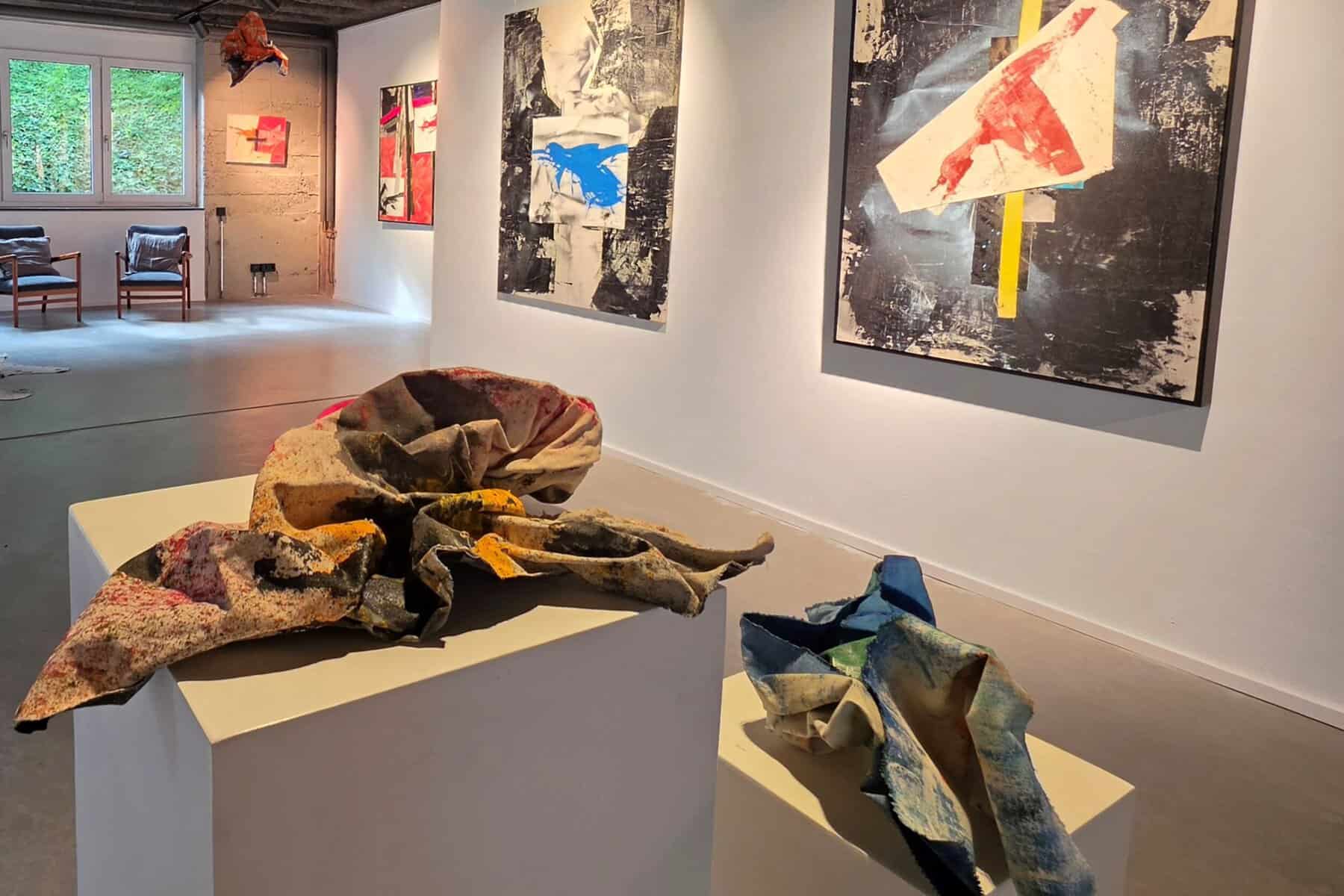
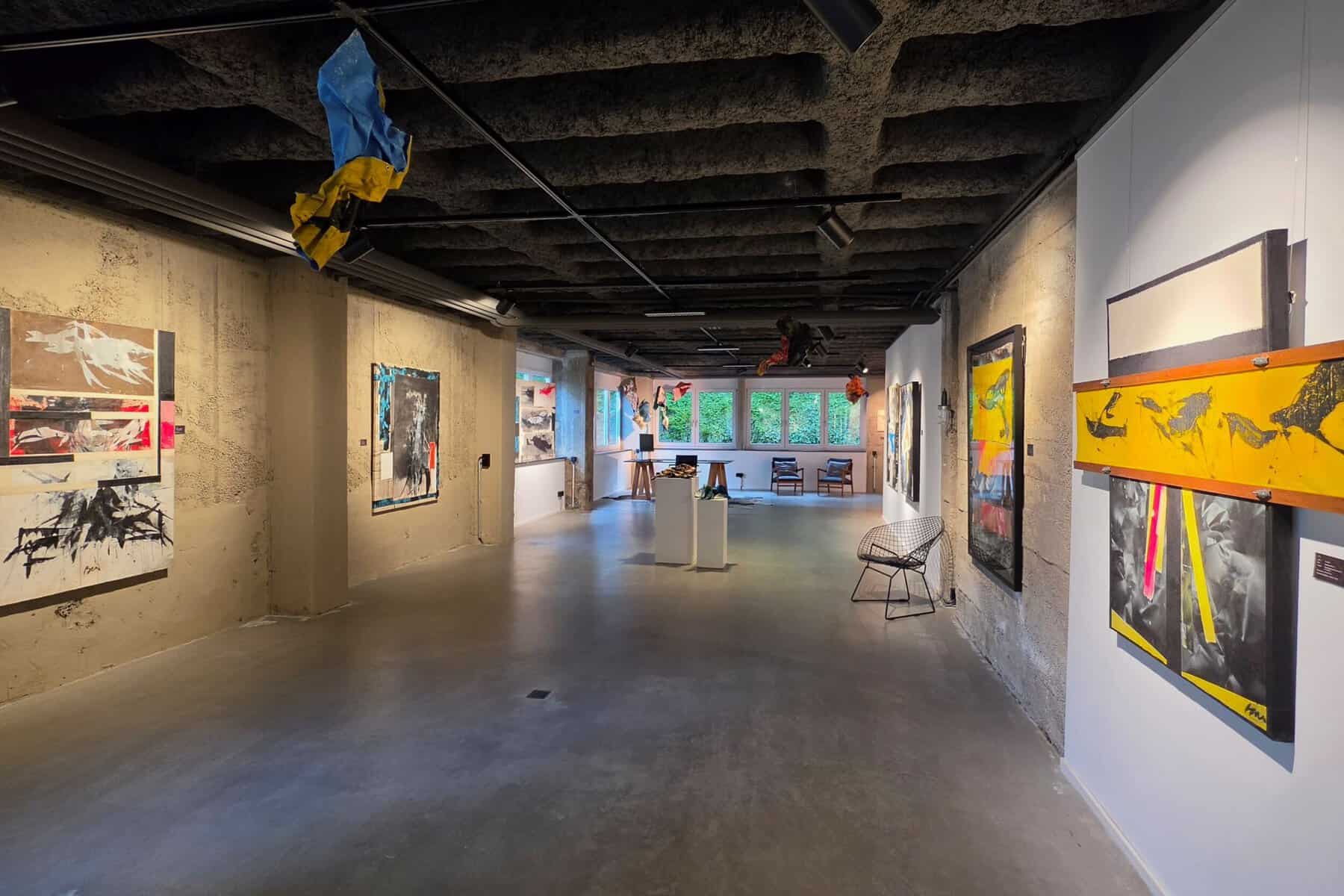
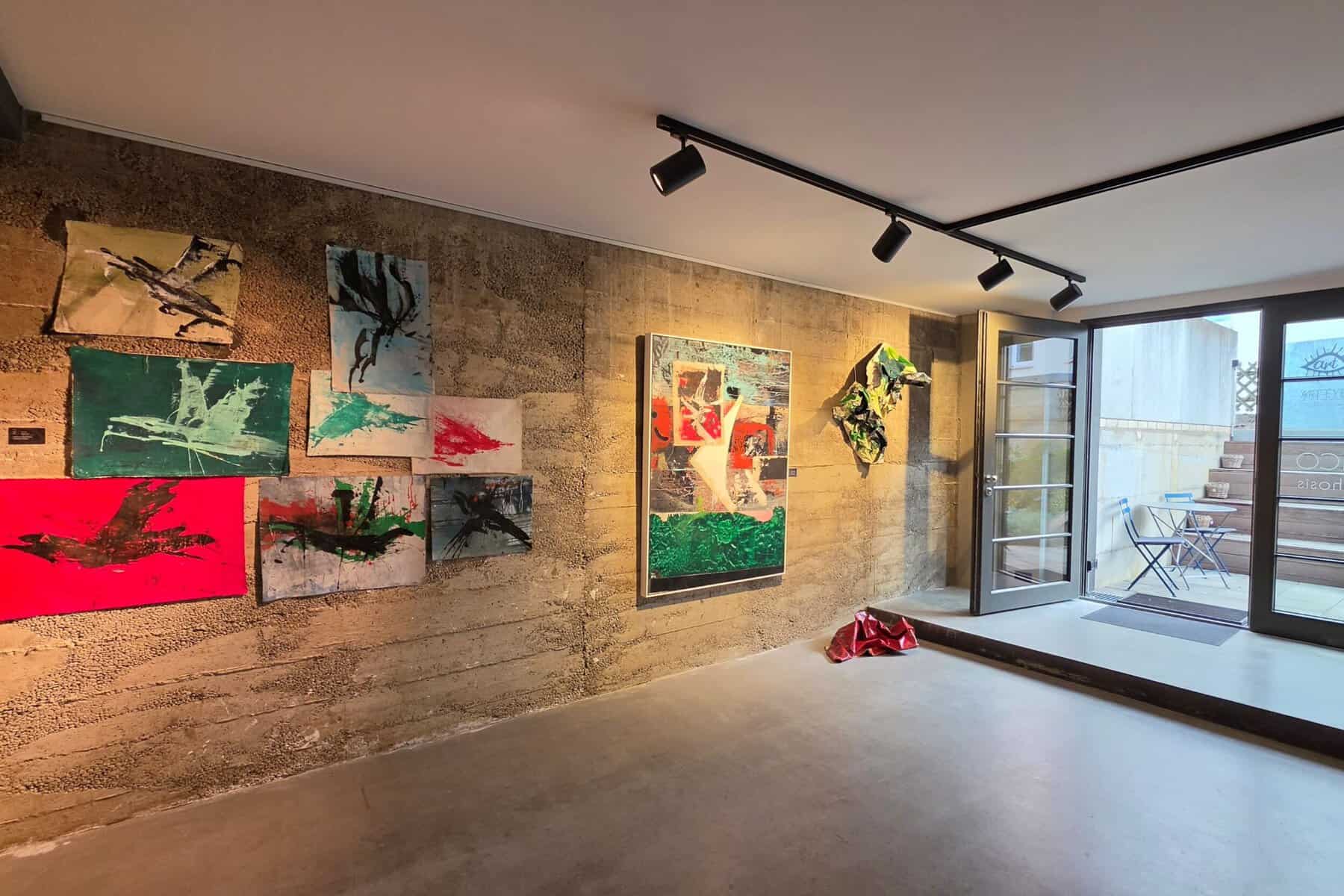
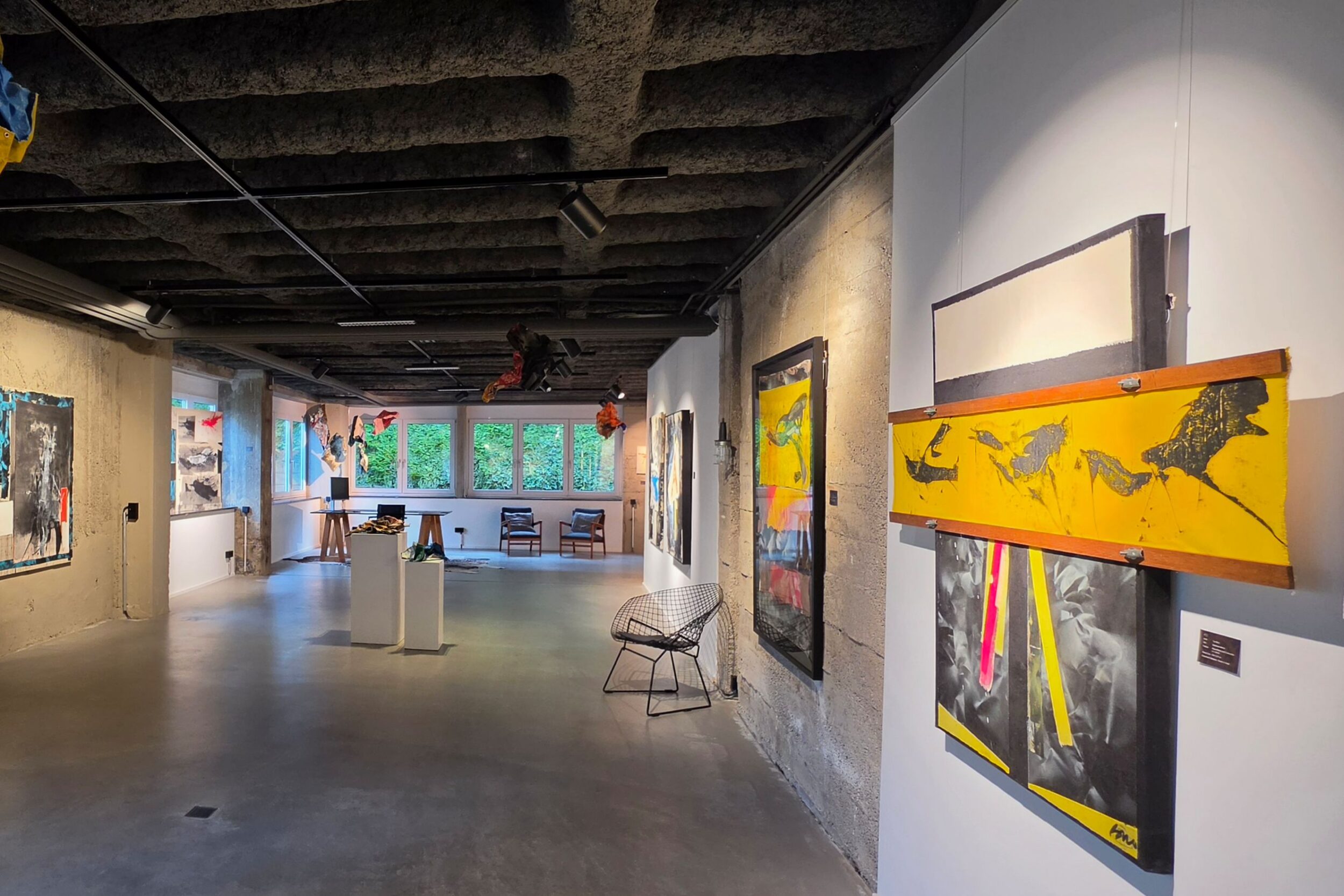
The gallery has also hosted its first solo exhibition, featuring artist Tony Bico. Selmon said South African artists deserve international recognition for their artistic merit, rather than being categorised by geography or cultural stereotypes. “Our artists don’t simply paint their surroundings. They paint what they feel,” he said. “Their work speaks to people emotionally, regardless of where they come from. Many of these artists could be exhibiting anywhere in the world, and their work would be just as relevant.”
He attributed some of the international interest to the colour and energy associated with South African contemporary art. “The world is going through enormous turmoil, and people are looking for something bright, colourful and energetic. That’s something we’re producing in South Africa.”
Selmon also predicted that Africa could become a major international art-collecting powerhouse within the next two decades, supported by a growing middle- and upper-middle-class collector market. “We have an extremely powerful base of emerging collectors who don’t need to be told what to buy,” he said. “They walk into a gallery, connect with really good work and recognise its value.”