



Back to school can be an anxious time for children. Dr Jonathan Redelinghuys suggested several tactics to mitigate Day One jitters.
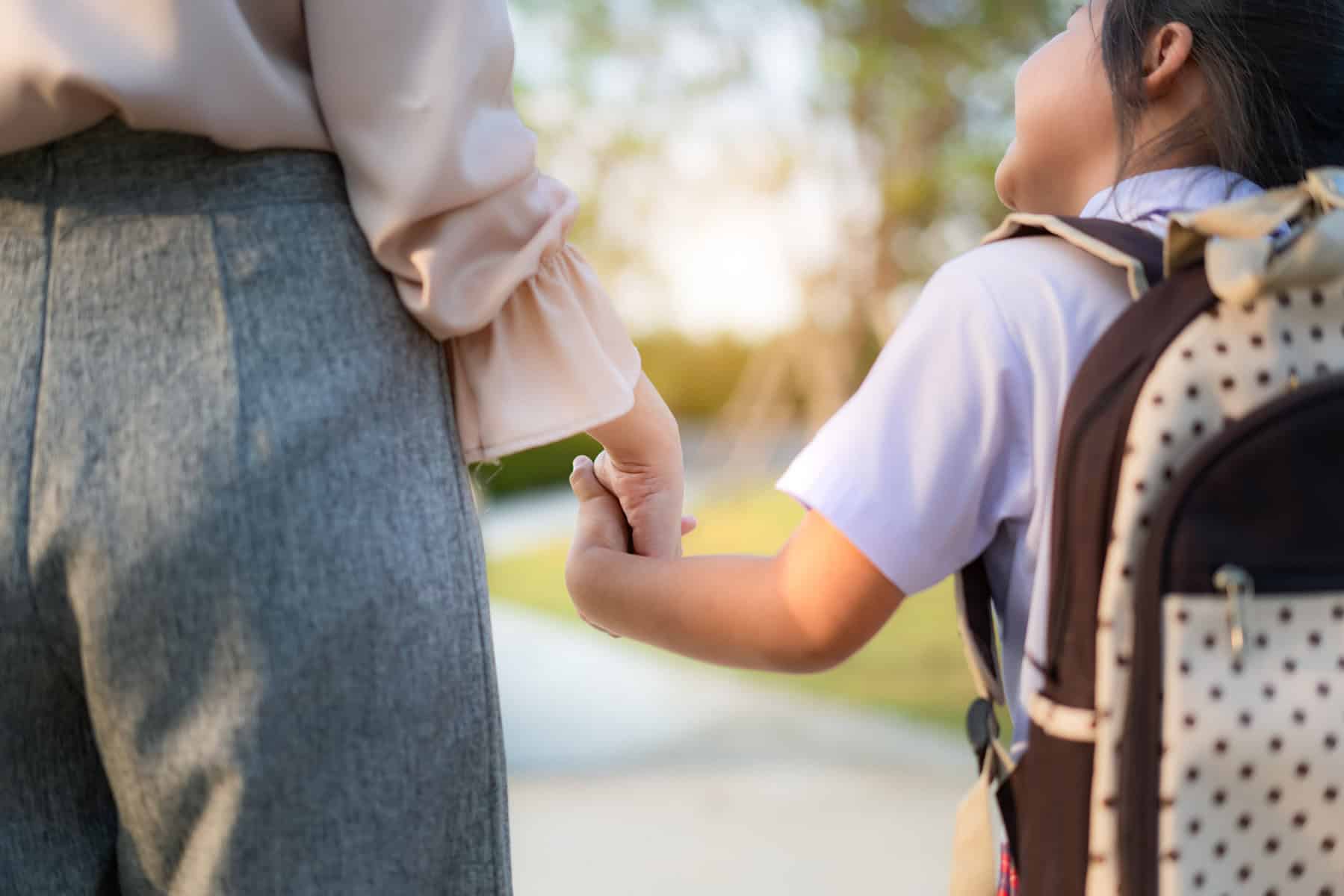
First day back at school can be emotionally daunting. Picture: iStock


It’s the first day of school, and for thousands of parents and children, nerves have been ramping up to Day One.
For some children, it means returning to uniforms, timetables and homework after weeks of freedom, while others are walking into a classroom for the very first time.
Whether it is a new grade, a new school, or the leap into Grade 1, the start of the school year often feels like a sudden emotional gear change for both children and parents.
Not everyone makes that transition without a few tears, pretend tummy aches and sleepless nights.
Psychologist and medical doctor Dr Jonathan Redelinghuys said that the beginning of the school year can be fraught with anxiety.
“Even children with secure attachments may have difficulty acclimatising to the school environment, being away from home and having a more rigid schedule,” he said.
Day One can be fraught with anxiety
A new teacher, a new classroom, and perhaps even unfamiliar faces at school are all potential triggers on the day, and even the thought of the experience can impact a child days before starting school.
Some youngsters have a much more challenging time easing into it. The tummy aches that don’t exist, moodiness the day before, and tears at drop-off are all signs of separation anxiety and pre-school jitters.
ALSO READ: How to enjoy school more – new book
Dr Redelinghuys said that for first-time schoolgoers or children changing schools, it is often helpful to the process if the child has previously been incrementally exposed to a school environment.
“Through various pre-school programs or early childhood development and socialisation, “he said, “gives kids some idea of what to expect and also allows them to establish a sense of safety outside of their family circle.”
He added that although it is becoming less common for children to enter Grade R or Grade 1 having never been exposed to a preschool environment, “even moving up a Grade, with higher expectations of independence or uncertainty attached to unfamiliar teachers may be difficult to cope with.”
Coping with uncertainty
Stationary drop-off days before school starts, where children can meet their teacher, see their allocated spot in class and check out the environment prior to the day, could help mitigate tears on the big day.
“Parents may reduce the uncertainty by spending some time with their child within the new environment and with a new teacher,” Dr Redelinghuys said.
This could mean a few extra moments at drop-off by helping establish a sense of safety and mitigate the unknown.
“Many schools allow for this and accommodate extra time on the first day, actively encourage the transition. It is also important that parents not worsen anxiety by portraying their own anxiety, being rushed or overwhelmed.”
Dr Redelinghuys also suggested that parents set aside enough time to get ready for school, allay any pre-departure concerns, and prepare adequately for traffic.
“This is already a useful step and sets the stage for future good habits,” he said.
Parents should also emphasise the school environment as a place of new interpersonal and academic discovery, rather than an intellectual prison for the next decade.
“This could be very helpful in reducing a child’s anxiety.”
Ultimately, he said, a little bit of separation anxiety is not necessarily a bad thing.
“It is a sign that both parent and child feel safe with each other and have cultivated a positive relationship. Moving on to the next stage of development is not always easy, but in secure relationships, the challenges can be faced and overcome together.”
Support Local Journalism
Add The Citizen as a Preferred Source on Google and follow us on Google News to see more of our trusted reporting in Google News and Top Stories.

