Here's how shocking surge fuel prices and the basic cost of living has changed how South Africans travel, shop and survive.
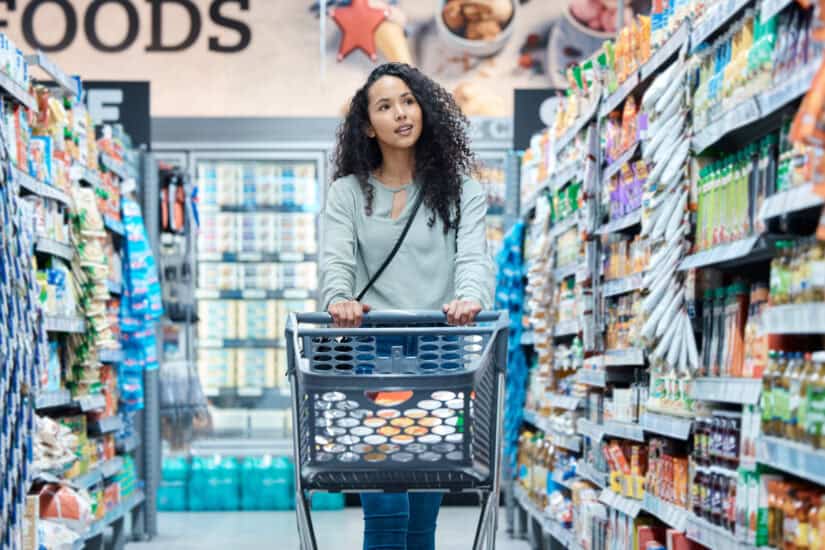
Life has changed, quickly. Picture: iStock


South Africans are not merely grumbling at the petrol pump anymore. The spiralling fuel price and broader cost-of-living crisis are now visibly reshaping how people move, shop, eat and survive.
And according to netnographer and social forecaster Carmen Murray, some of the most revealing signals are not coming from economists or politicians, but from ordinary people reorganising their lives in real time. South Africans, she said, are once again finding ways to absorb economic shock through informal systems, community organisation and practical survival strategies.
What Murray is observing through online conversations, consumer behaviour and community discussions is not just frustration, but the rapid reorganisation of everyday life.
Community shopping and ‘one route buying’
One of the clearest trends Murray is seeing is what she calls “one route buying”, where neighbours and communities coordinate shopping trips to reduce fuel costs.
The concept is organised through neighbourhood WhatsApp groups, where people combine errands and transport in an effort to cut unnecessary travel. “This is all about trip consolidation,” Murray said. “We need to think efficiently as to what it is we need to buy, and should we not have fuel, or if fuel prices continue to rise, how can we be efficient as to where and when we buy from.”
Murray said these kinds of informal systems are often early indicators of how societies adapt under economic pressure. “It’s very similar to how South Africans adapted to Covid, and quickly so,” she said.
Fuel anxiety and efficiency obsession
Murray said fuel, beyind pricing, has become an unusually emotional and practical topic among consumers. “I’ve never seen so much curiosity about fuel in my life,” she said.
Consumers are increasingly discussing petrol grades, fuel efficiency and how to stretch every litre further. “Consumers are asking one another which fuel provider has the best long-distance fuel. Which is my engine going to blow up if I put in 93 instead of 95?” All the marketing gobbledygook that nobody cared for previously are now in consumer crosshairs. The conversations, she said, reveal that even seemingly minor savings have become important survival calculations.
Takeaways are out, home cooking is back
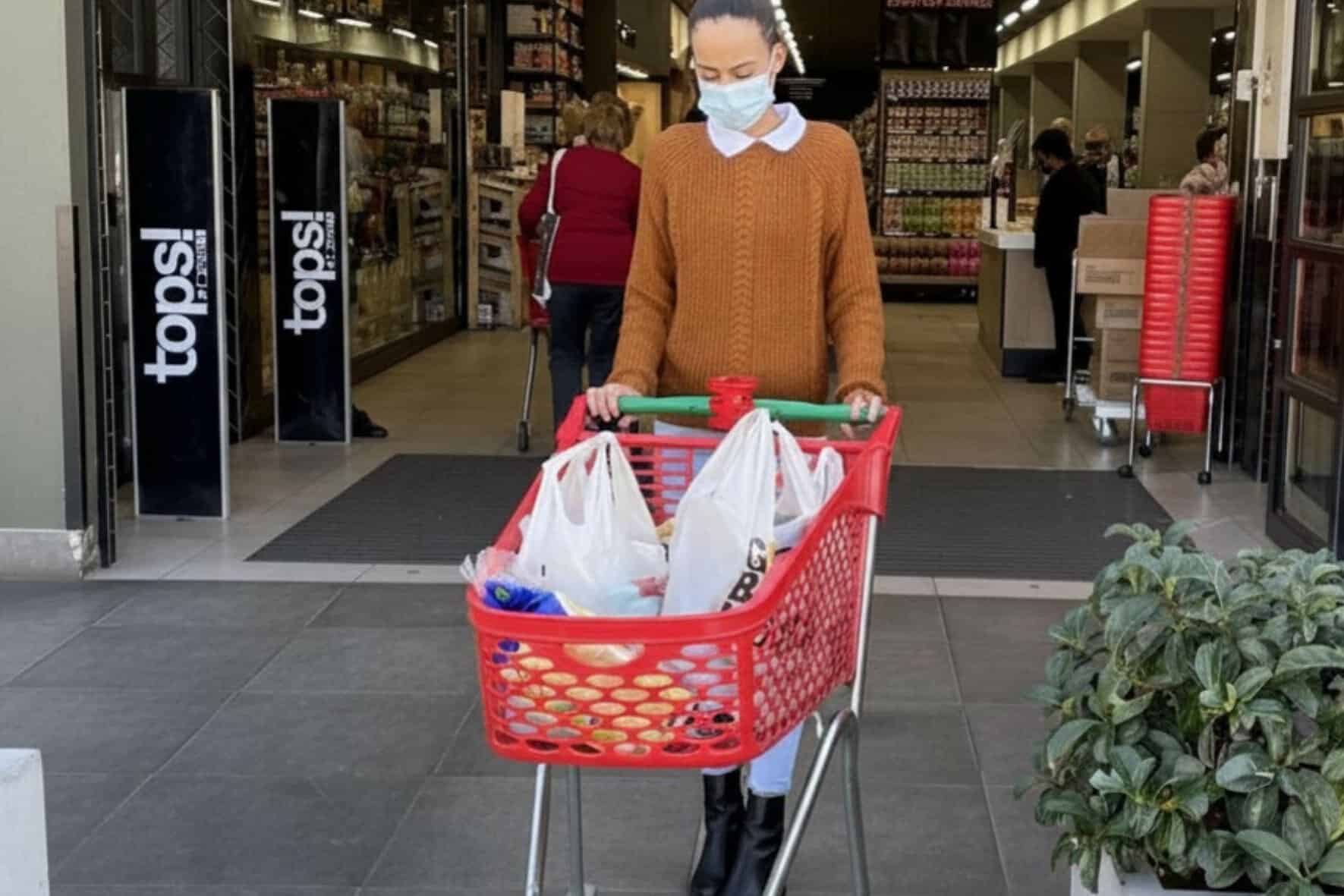
The pressure on household budgets is also reshaping spending habits. “People are going to stick to proper restaurants but leave the takeaways,” Murray said. She said that many consumers are abandoning habitual convenience spending in favour of more intentional social outings and stricter food budgeting.
At home, efficiency and waste reduction are becoming increasingly important. “The big thing that people were talking about is really about being very efficient with household essentials, going back to cooking yourself, but also distributing food and leftovers so that you don’t waste it,” she said.
Taxi costs and transport stress
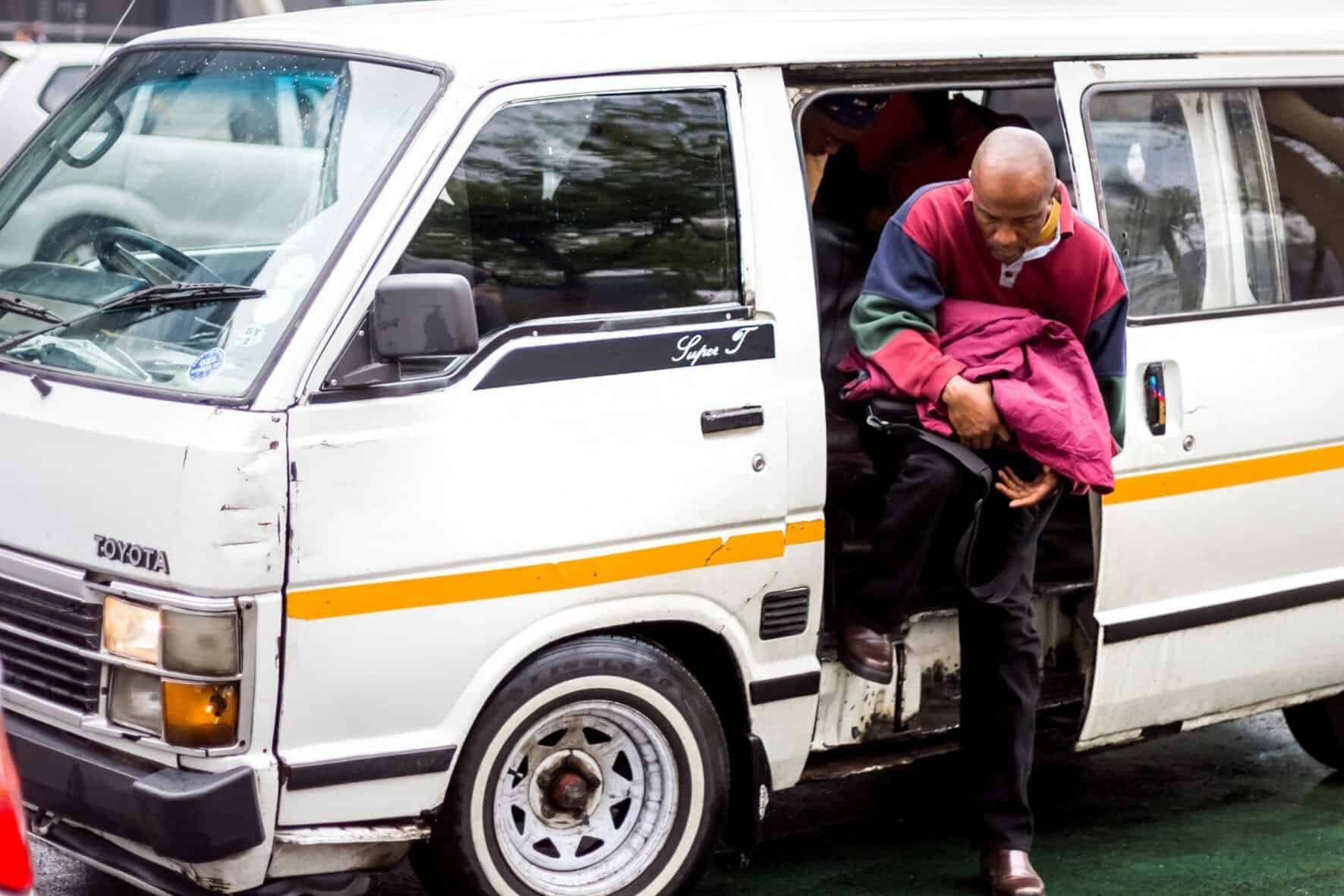
Transport uncertainty for the majority of South Africans who depend on taxi’s to get to and from work, is becoming a serious source of anxiety. Murray said it’s an emerging concern online. “Some staff are not able to get to work and back because of the unpredictable taxi cost,” and added that this was contributing to growing conversations around remote work and flexible working arrangements as employees attempt to manage escalating transport expenses.
At the same time, alternative transport systems are beginning to emerge in some communities. Murray noted developing township-based transport initiatives surfacing online that are built around fixed monthly fees, offering commuters more predictable transport costs.
Payday loans and debt pressure
An alarming trend Murray identified is the rise in payday loans and short-term borrowing. “Payday loans taken to survive until the end of the month,” she said, “are entering the conversation more than what it should, and this in turn could lead to short and medium term financial challenges for consumers.”
Small businesses and survival innovation
While the economic pressure is severe, Murray said the crisis is also triggering waves of informal innovation. Across communities, small pop-up businesses, informal support systems and creative entrepreneurial solutions are beginning to emerge.
“If you really want to understand where the future is going and how society reorganises itself, you look at people that are in dire straits and necessity that dictates action and resilience, because they give you the early signals of where things are going,” she said.
Murray suggested that the impact of the Covid-19 pandemic period may be reprised, where communities rapidly built parallel systems of support and survival. “South Africa always finds a way to be resilient, to reinvent themselves,” she said. “The creativity and the innovation we are and will continue to see is a consequence of that.”
Murray said that she also believes developing countries like South Africa may ultimately become examples of how societies adapt when formal economic systems come under sustained pressure.