



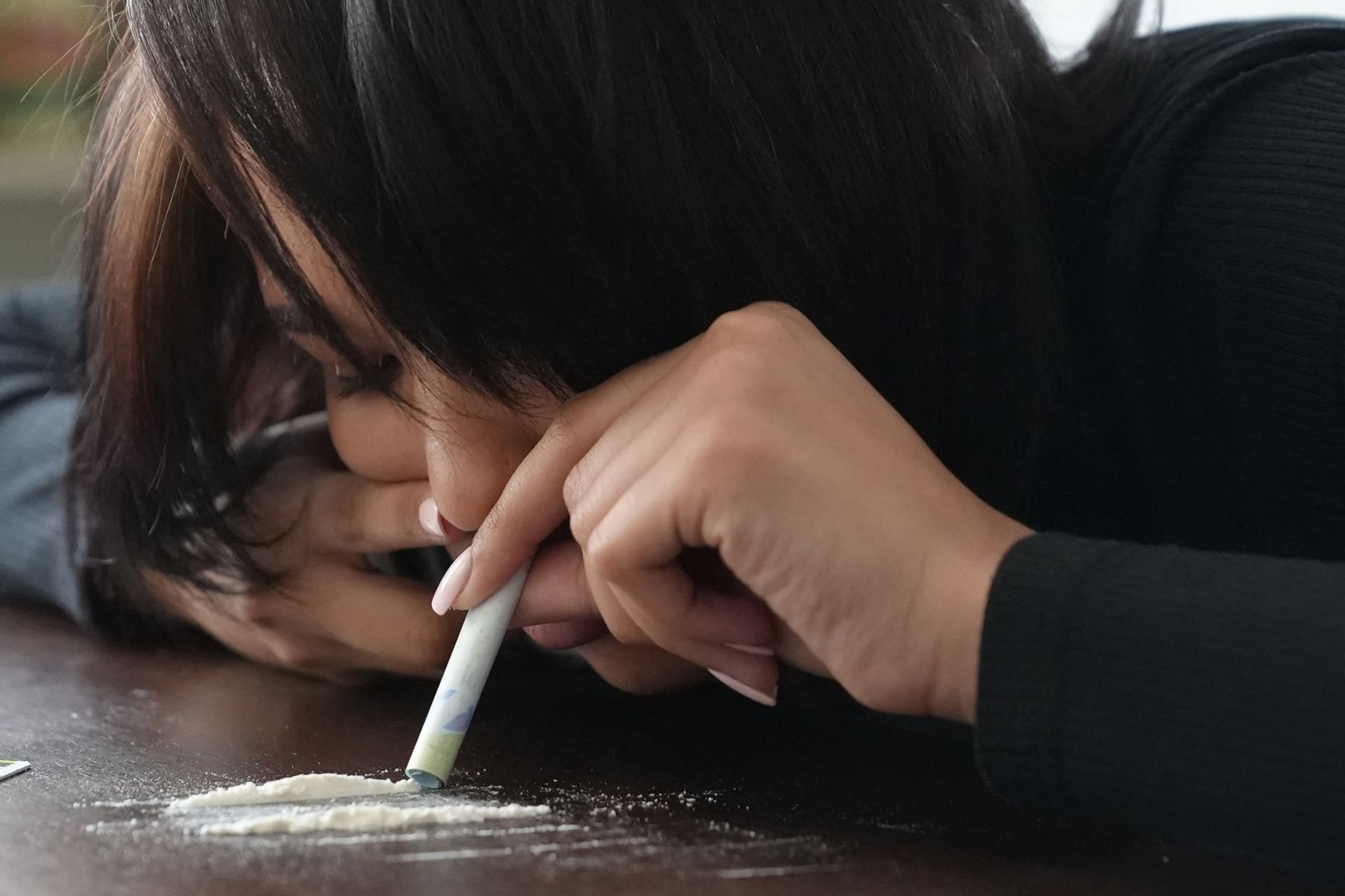
The holidays are not a happy time for everyone, with a risk of addictions resurfacing or even starting during this time.

Addiction is amplified over the festive season. Picture: Supplied


The holidays are not always happy, and a sense of darkness is not the sole domain of the lonely and heartbroken over this period. Lingering beneath the lunches, parties and social engagements lie both temptation and a struggle, for some, to cope with bad habits.
Managing addiction or resisting temptation becomes far more challenging during festive periods. Social worker in private practice Carryn Hennessy said the season consistently serves up an escalation in addictive behaviour, not because people suddenly change, but because structure disappears.
“Over the festive season there are many increases in addiction cases because this is often our way of regulating emotions,” she said. “When routine falls away, people reach for whatever helps them cope fastest.”
The spike is not limited to alcohol or narcotic substances. Hennessy said she regularly sees increases in shopping addiction, overeating, excessive screen time and online behaviours alongside drinking and drug use.
“Addiction cuts across all ages,” she said. “It just manifests differently.”
Addiction cuts across all ages
She said younger people are increasingly socially isolated, even when surrounded by others, and often turn to online spaces for stimulation, connection or escape. Older adults may turn more heavily towards alcohol, food or spending. None of it exists in isolation, she said.
“The triggers are attempts at self-regulation,” Hennessy said. “Work stress, interpersonal relationships and financial pressure all collide in December.”
Psychologist and medical doctor Dr Jonathan Redelinghuys said the holiday period adds emotional pressure and biological stress responses peak at the same time.
“Addiction is a learned coping response,” he said. “When emotional strain increases and boundaries weaken, the brain looks for fast relief.”

Psychologically, he said, December amplifies grief, loneliness, family conflict and financial anxiety. These are often bubbling under the expectation that people should feel grateful and happy.
“That internal conflict drives people toward behaviours that numb discomfort quickly,” Redelinghuys said. “Alcohol, sex, pornography, scrolling social media and narcotic substances all activate the brain’s reward pathways.”
ALSO READ: AI companions reshape how teens and adults experience relationships
December amplifies grief and loneliness
Physically, repeated overuse comes at a significant cost. Redelinghuys said the brain’s dopamine systems become dysregulated as tolerance increases and behaviour escalates.
“The brain starts needing more intensity, more frequency or more risk to achieve the same effect,” he said.
Alcohol and substance abuse place additional strain on the body at a time when sleep, hydration and nutrition are already compromised.
“We see increased inflammation, hormonal disruption, liver stress and immune suppression,” he said. “With behavioural addictions such as compulsive sex, pornography or phone use, the effects are more subtle but no less serious. Concentration, mood stability, sleep cycles and impulse control are all affected.”
Hennessy said many warning signs are disguised as festive excess. They are also often dismissed as holiday stress.
“We can look out for depression, isolation, withdrawal, severe mood swings, overspending, asking for money or loans and noticeable changes in behaviour,” she said.
Support, Hennessey said, does not mean confrontation or control. It means noticing patterns, checking in with people you care about and staying present.
“Connection matters more than policing behaviour,” she said. “Too much time alone can be harmful. Humans are social creatures and co-regulation is important for nervous system regulation and feeling connected.”
Support is not confrontation
Addicts or over users who are already in recovery can also struggle substantially over December. It’s a minefield of temptation. Hennessy said acknowledging vulnerability is essential.
“Get support from an experienced support base such as AA (Alcoholics Anonymous) or local support groups,” she said. “Seek therapeutic support and find healthy ways to keep busy. Recognising blind spots can be very effective in preventing relapse.”
Dr Redelinghuys said prevention is always easier a fix after the fact.
“The earlier any kind of escalation is noticed, the easier it is to interrupt the cycle,” he said. “Once addiction deepens, the brain’s stress and reward systems become harder to reset.”
Both Dr Redelinghuys and Hennessey noted that community services are under acute strain at this time of year.
“Organisations are understaffed and under resourced,” Hennessy said. “But help is still available. If you are concerned about yourself or someone you love, reach out.”
NOW READ: Forget introverts and extroverts. Are you secretly an otrovert?
Support Local Journalism
Add The Citizen as a Preferred Source on Google and follow us on Google News to see more of our trusted reporting in Google News and Top Stories.

