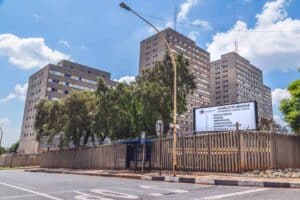
Communities can access these services at primary healthcare facilities.
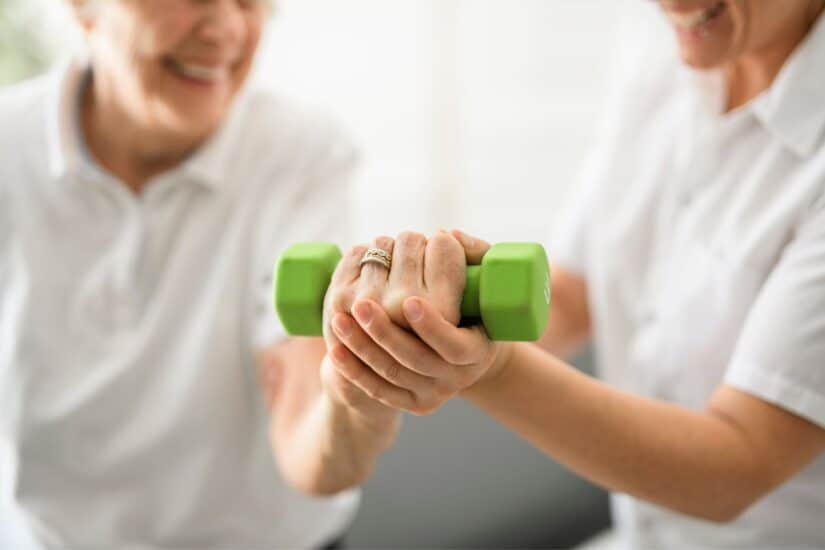
Image: iStock


The Gauteng Department of Health (GDoH) called on residents to make use of physiotherapy services at public health facilities.
Gauteng health spokesperson Steve Mabona on Tuesday said the services formed part of efforts to support patients.
He added that the treatment helps prevent disability and improve recovery outcomes.
Physiotherapy available across facilities
According to Mabona, the department wanted to mark World Physiotherapy Day by highlighting the importance of the service.
Mabona added that physiotherapy assists people to recover from illness and injury, manage chronic conditions and improve their quality of life.
Communities can access these services at primary healthcare facilities, hospitals, rehabilitation centres and through community-based programmes, treating patients recovering from strokes, fractures, amputations, and spinal injuries.
Non-communicable diseases drive demand
Mabona said conditions such as stroke, arthritis, and chronic respiratory disease continued to push up demand for rehabilitation.
“Provincial rehabilitation data indicates that these conditions accounted for more than 220 000 new patient episodes and over 438 000 follow-up interventions between 2019/20 and 2025/26,” he said.
Trauma cases also placed pressure on services, with more than 192 000 new injury-related cases and almost 497 000 follow-up sessions recorded in the same period, according to Mabona.
He said children living with cerebral palsy, developmental delays, and malnutrition-related complications also benefited from early intervention.
Specialised care and community outreach
Mabona said institutions including Tshwane Rehabilitation Hospital and Cullinan Care and Rehabilitation Centre offered specialised treatment such as hydrotherapy and wound care.
He said the department remained committed to expanding access at primary healthcare level.
Physiotherapists had also engaged communities through the “Movement is Medicine” campaign, Mabona said.
He urged residents experiencing pain or reduced mobility to visit their nearest clinic.
“Timely rehabilitation does not only improve individual health outcomes but also supports social and economic participation and overall quality of life,” Mabona said.