



Sometimes it's the small comments that bite the hardest ,Here's why microaggression is really a big deal these days.

Microaggression can make people feel isolated and alone. Picture: Supplied


It may be an unintentional phrase shared with kindness, or it may be a few words that convey bias.
Microaggression is a subtle and often subconscious way in which people speak, behave and receive comments that can offend or hurt someone who may be sensitive about race, gender, physical appearance, handicap or sexual preference.
It may sound benign, but words can overflow with unintentional malice.
“In a society where diversity is celebrated and, for that matter, on the increase,” said Dr Jonathan Redelinghuys, “addressing microaggressions has become a necessity.”
These subtle, often unintentional acts of discrimination can have significant impacts on individuals and communities. Dr Redelinghuys said microaggressions are brief, everyday exchanges that send offensive and belittling messages to certain individuals because of who or what they are.
“Microaggressions are like paper cuts,” he said. “Individually, they may seem minor, but when experienced repeatedly, they can cause significant harm.”
Microaggressions can be manifest in various forms. Comments like “You speak English so well” to a person whose first language might not be English can imply that it was surprising they were fluent.
Referring to “you people” when talking to a person can be construed as a racial or gender bias comment, no matter when it may be an innocent quip.
“The recipient of such comments may be impacted negatively despite the fact that it may not be meant in a denigrating manner,” Dr Redelinghuys said.
It’s like a paper cut
Nonverbal actions, such as clutching a handbag tightly when passing someone of a certain race on the street, and environmental cues, like a workplace where all leadership positions were held by men or women only, subtly signal gender bias.
“I would have never guessed you were gay,” said Dr Redelinghuys, could be understood as a microaggression because it suggests that someone stereotypes sexual orientation with appearance and behaviour.
In South Africa, he added, bias is rooted in a long history of discrimination.
“Comments like ‘you are not like other white people’ might be intended otherwise, but it’s in fact another instance of stereotyping and aggression. The same goes for highlighting cultural nuance, which may be as damaging.”
Now Read: One small joy a month: a gentler way to approach 2026
“These kinds of comments, while often intended as compliments, actually undermine the recipient’s identity and reinforce harmful stereotypes,” he said.
And the impact can be far-reaching and damaging, affecting individuals both psychologically and physically.
In the workplace, microaggressions erode job satisfaction and productivity.
“Microaggressions can create a toxic environment where people may end up feeling unwelcome and undervalued,” he said.
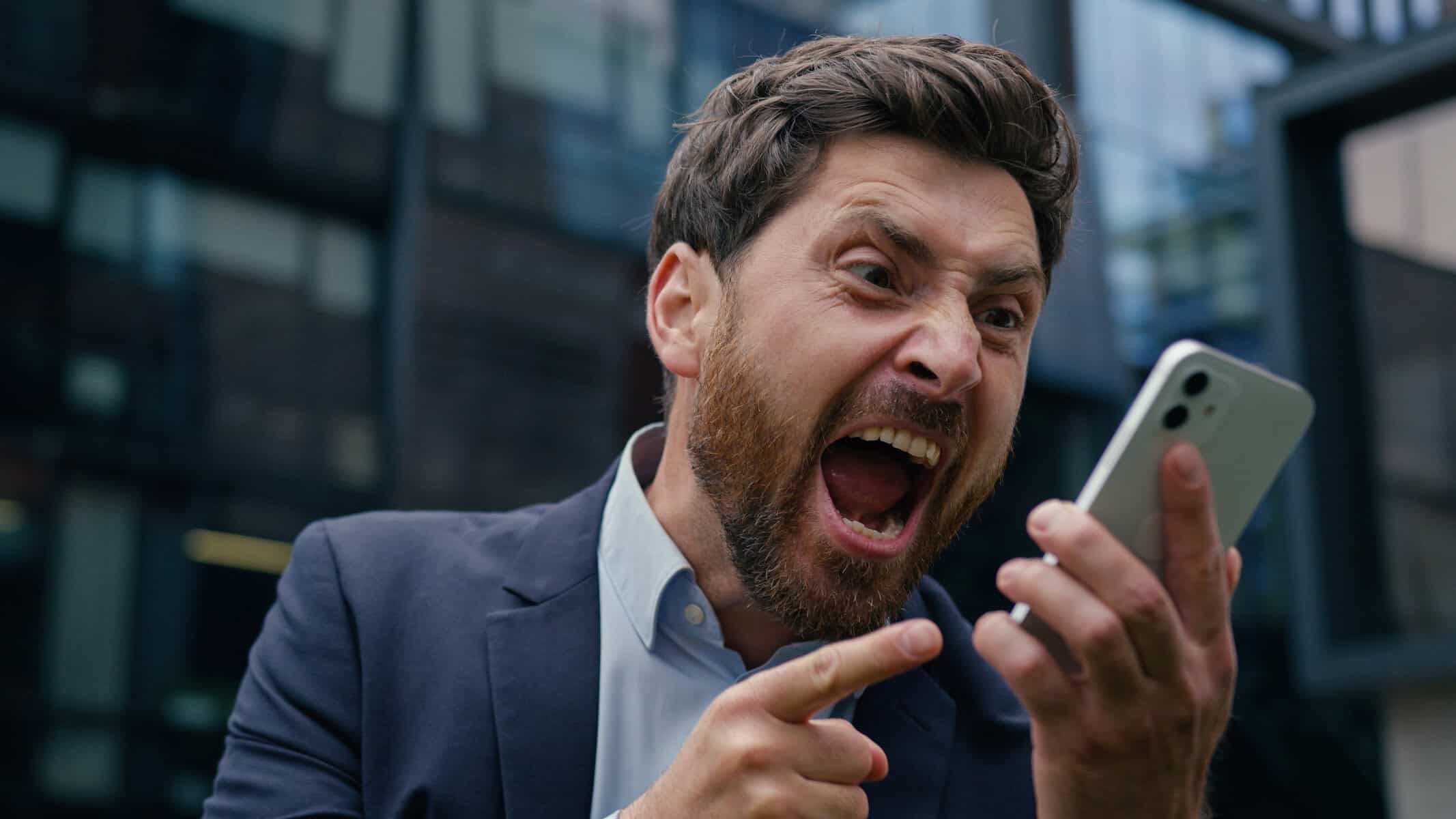
But not every comment or behaviour is tied to microaggression.
“Hey guys”, when talking to a group of women, is a South Africanism, a colloquial collective noun and not an insensitive assault, for example, said Dr Redelinghuys.
“Also, not every insensitive comment is a microaggression. Sometimes, people simply lack awareness or are not well-versed in cultural nuances.”
A colleague’s question about cultural practices might stem from genuine curiosity rather than an intent to offend.
Sometimes it’s not from a bad place
“It’s important to differentiate between discrimination and individual misunderstandings,” he noted.
A gesture or phrase that was considered polite in one culture might be misunderstood in another.
Approaching situations like this with a sense of curiosity and a will to resolve is healthier than instant judgment or playing the victim, Dr Redelinghuys said.
Open dialogue and mutual education can help clarify intentions and reduce misunderstandings between people.
“Education is key,” Dr Redelinghuys said. “People need to be aware of the impact their words and actions can have. It’s about creating a culture of respect and understanding.”
This is where training programmes and awareness campaigns can come in. He said that encouraging active listening and understanding of one another, and validating their feelings about the possibility of being marginalised through microaggressions, particularly in the workplace, is important.
“We have a long way to go,” he said, “but by working together and being mindful of our words and actions, we can make a difference to workplace environments, social gatherings and one-on-one interactions almost anywhere.
” It’s not about being woke, it’s about respect and learning about one another.”
ALSO READ: WATCH: The truth about past lives; and who you were
Support Local Journalism
Add The Citizen as a Preferred Source on Google and follow us on Google News to see more of our trusted reporting in Google News and Top Stories.

