Mining, the cornerstone of SA’s economy
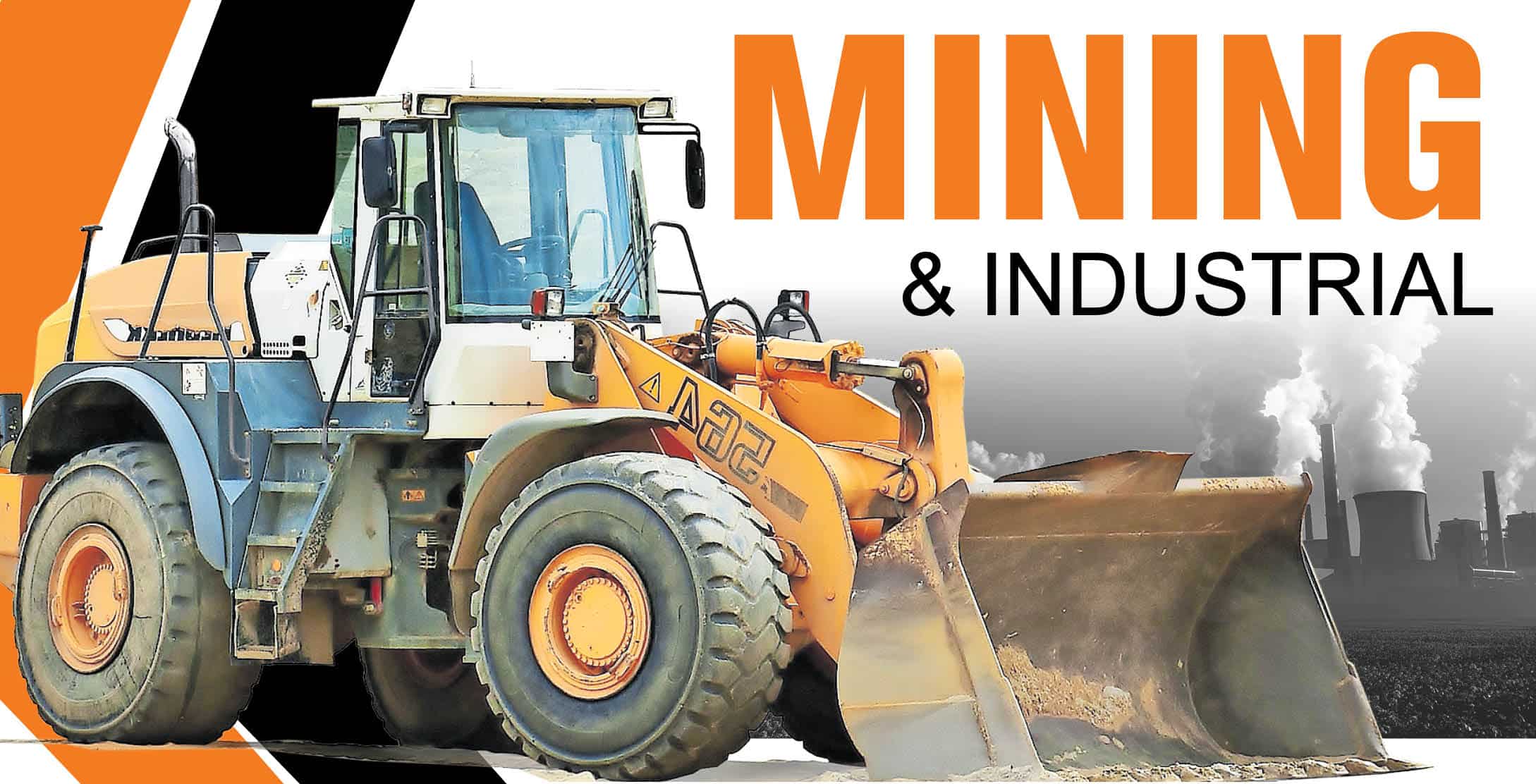
The mining sector in South Africa, including the various Steelpoort, Burgersfort, and Lydenburg operations, is the linchpin of the country’s economic framework.
According to a 2025 report by Africa Mining IQ (AMIQ), there are currently 561 mines in the country.
South Africa is a mineral-rich country and is listed as a leading producer of platinum, coal, gold and diamonds. The country’s mineral profile is large and diverse, with many opportunities for international and local investors.
Local platinum mines contribute to the fact that this country is the largest producer of platinum worldwide.
South Africa is the world’s second-largest producer of ilmenite, palladium, rutile and zirconium, the third-largest coal exporter, and a leading producer of iron ore.
In 2012, South Africa overtook India to become the world’s third-biggest supplier of iron ore to China, the world’s largest consumers of the material.
Large-scale and profitable mining started with the discovery of a diamond on the banks of the Orange River in 1867 by Erasmus Jacobs, and the subsequent discovery of the Kimberley pipes a few years later.
Gold rushes to Pilgrim’s Rest and Barberton were precursors to the biggest discovery of all, the Main Reef and Main Reef Leader on Gerhardus Oosthuizen’s farm, Langlaagte, Portion C, in 1886, which kicked off the Witwatersrand Gold Rush and the subsequent rapid development of the gold mines there.
According to Invest SA, the mining sector contributed R356b, or 7.3%, to South Africa’s GDP, and accounted for 25% of the country’s total export earnings. Platinum, coal, and gold are the three largest mining exports.
Despite being a key economic sector, mining has several interesting and lesser-known facts for the broader public:
- South Africa has no less than 26 minerals currently being mined countrywide. These are: chrome, coal, copper, diamonds, emeralds, fluorspar, gold, ilmenite, iron ore, lead, lithium, magnesium, manganese, monazite, nickel, phosphate and platinum. Lesser-known minerals and metals include rare earth minerals, rutile, silica, tin, uranium, vanadium, zinc and zircon.
- South Africa’s mining industry is diverse, with both surface and underground mines, as well as a combination of the two. There are currently 153 surface mines, 146 underground mines, 53 surface/underground combinations, and 86 industrial mines.
- According to AMIQ, a summary of main commodities mined currently in South Africa is indicated as follows:
Gold: Of 90 mines listed, 28 are currently operational and 62 are in various phases of development.
Diamond: Of the 46 mines listed, 13 are currently operational and 33 are in various phases of development. Platinum Group Metals (PGM): There are 97 mines listed; 27 are currently operational, and another 70 are in phases of development.
Copper: South Africa has seven mines listed, but only two are operational. Another five are in development. Iron ore: The country has 23 iron ore mines, of which six are operational, with another 17 being developed.
Manganese: Of the 19 mines listed, 11 are currently operational, and eight are in various phases of development. Uranium: Seven of these mines exist in the country, but only one is currently operational. However, six are said to be in development.