Mining 2025

Most of Paardeplaats' mining history unknown
For Brian and Gerda Whitehorn, settling on the farm Paardeplaats outside town on the Long Tom Pass, was merely a rustic dream come true.
However, in 1979, the Whitehorns made an interesting discovery on the grounds of the now quaint guest house they had established.
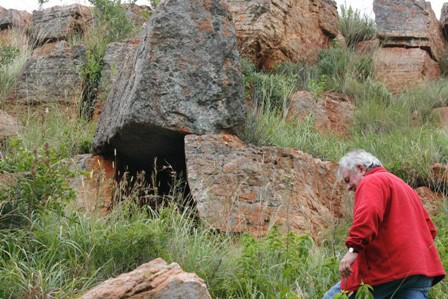
“We were very excited to discover mine shafts and quarries. We soon discovered that these had become lairs for animals like lynx, leopard and brown hyena – which made us much more excited, though.”
According to Gerda, they had no idea of the area’s history, although they knew that the surroundings were part of the 1870s
gold rush.
To this day, there are very few records of the shafts on their farm.
“We learnt about Little Joker, but were told that the higher lying areas were not as viable from a gold mining perspective. We would love to find the true history of prospecting on our farm, but information is sadly lacking.
Another astounding discovery was that of a herd of wild horses roaming the farm. According to Gerda, there are various theories about the origin of the horses. One such theory suggests that these were the horses left behind when the mining operations in the area proved unsuccessful.
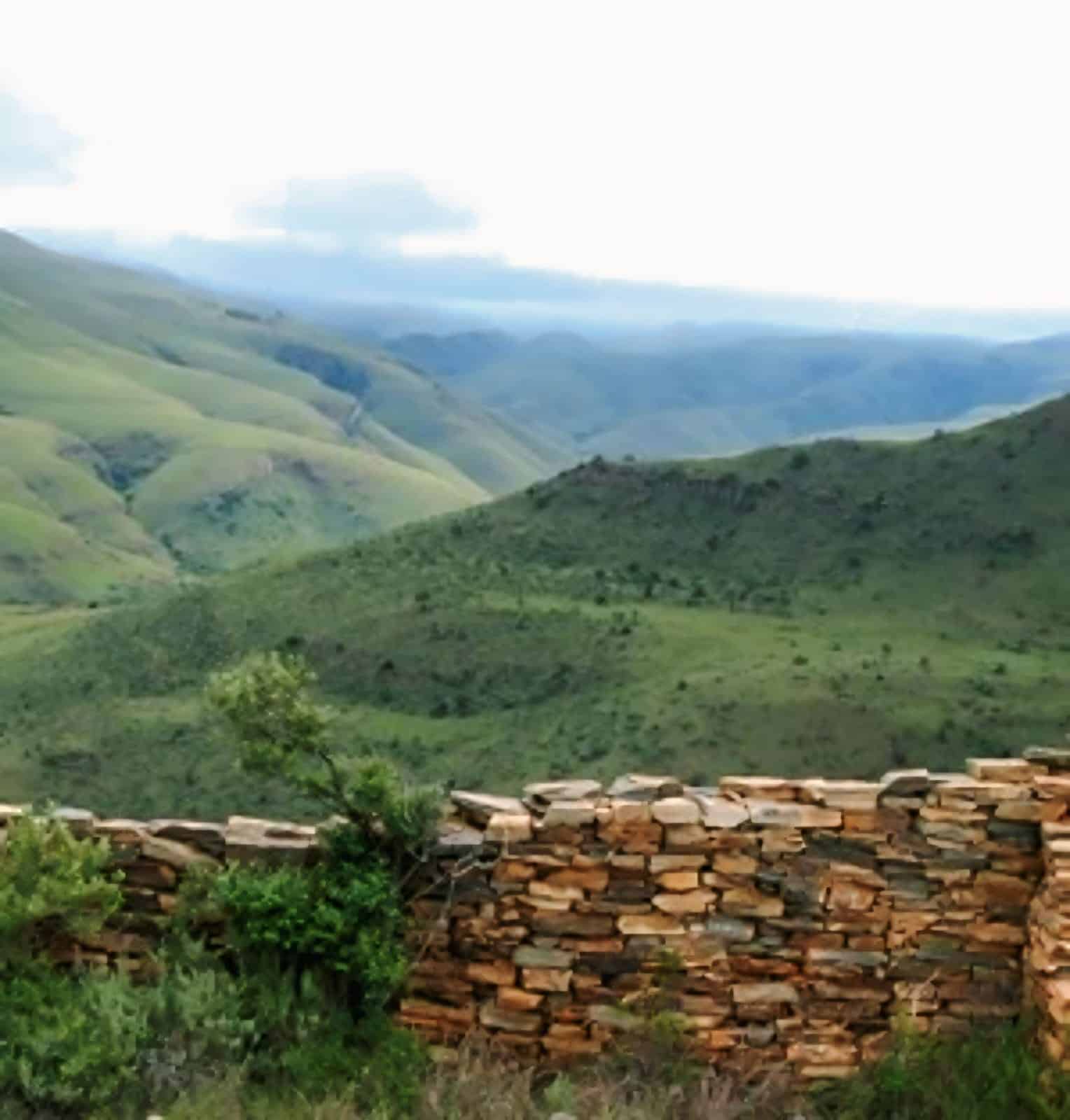
“These horses could well be the descendants of the former pit ponies,” she said. I recently discovered AP Cartwright’s Valley of Gold, which provides wonderful stories of the period. This book states clearly that Lydenburg was not so much the gold capital – Pilgrim’s Rest had much more to offer.”
Not just were the couple made aware of the now discarded shafts, archaeologists and geologists have shown a lot of interest in the fascinating rock formations and Iron Age circles in the area.
According to Gerda, traces of diggings and old quarries are still visible, but unfortunately people with metal detectors have disturbed the historical sites.
Although the shafts show signs of early mining, no gold has been detected at or near these sites. All the shafts have, however, caved in and collapsed.
A better perspective on the gold rush is found in Notes on the geology of the Lydenburg Gold Fields by Thord-Grey.
According to the author, the Lydenburg Gold Fields, also known as the ‘Proclaimed area of the Mining District of Pilgrim’s Rest’, is the only true place in the area where gold made a significant impact.
The area in which the gold was found was known as the “Black Reef Series”.
“We have been inside one of the shafts and saw clear signs of animal droppings of brown hyena and leopard,” Gerda told the newspaper.
The couple said they are happy that these have become homes for wild animals and hope to keep it that way.
“We have put camera traps up and have proof of leopard, civet, porcupine, serval and caracal living inside and/or visiting the shafts.”
“We are grateful that our nature reserve status prohibits any further mining or excavation. We would love historical and geological information about the area and its earlier inhabitants.”