AmberMacs Macadamia Expo 2026
Five of the best for AmberMacs Expo
The time has come for the fifth annual AmberMacs Macadamia Expo, set to once again take place at AmberMacs’ factory premises on February 5 and 6. Attendees from around the world will visit the Lowveld for this highly anticipated event, with some travelling from as far afield as Japan and the USA.
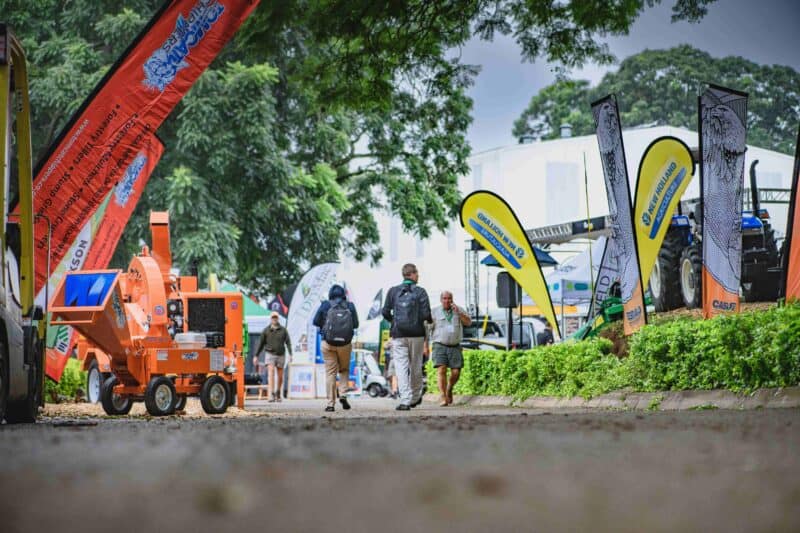 The trip to Mbombela to attend this expo is fast becoming a pilgrimage of sorts for those involved in the production and distribution of macadamia nuts. South Africa remains the world’s largest producer of macadamias, with a number of farmers remaining consistently unrivalled on the global scene.
 According to the managing director of AmberMacs Pty Ltd, Philip Moufarrige, there is cautious optimism among roleplayers in the industry, as the US dollar is weaker than previous years while the cost of farming macs continues to rise each year.
“On the global stage, the United States under President Donald Trump’s second administration continues to influence trade flows and currency markets, bringing both volatility and opportunity,” he said.
 “There is renewed optimism around South Africa’s economy, supported by improved energy stability and more consistent electricity supply compared to recent years. Economic growth has been modest but resilient, even as the country continues to navigate structural and educational reform challenges. These improvements provide a more stable foundation for agriculture and agro-processing businesses to plan and invest with greater confidence.”
He also touched on how the global macadamia demand continues to shift.
“Global demand for macadamia kernel and value-added products continues to grow, reinforcing the long-term strength of our industry. While market conditions remain dynamic, kernel demand and pricing continue to outperform nut-in-shell, underscoring the importance of adequate and efficient processing capacity as we move through the 2026 season.”
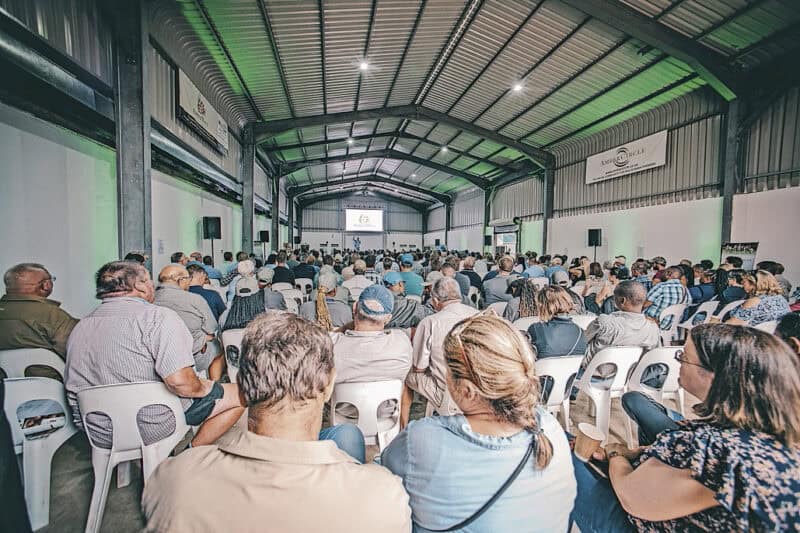
Moufarrige further expressed his excitement for this year’s expo, highlighting an impressive programme of speakers over the course of the two days. Renowned South African economist Dawie Roodt will be offering up some of his award-winning insight; Moufarrige will be delivering a talk himself titled ‘Make or break for the macadamia industry’; and Dr Elsje Joubert will discuss how the industry can best use technologies to its advantage.
The programme is stacked with many more speakers offering unrivalled insight into the macadamia industry.
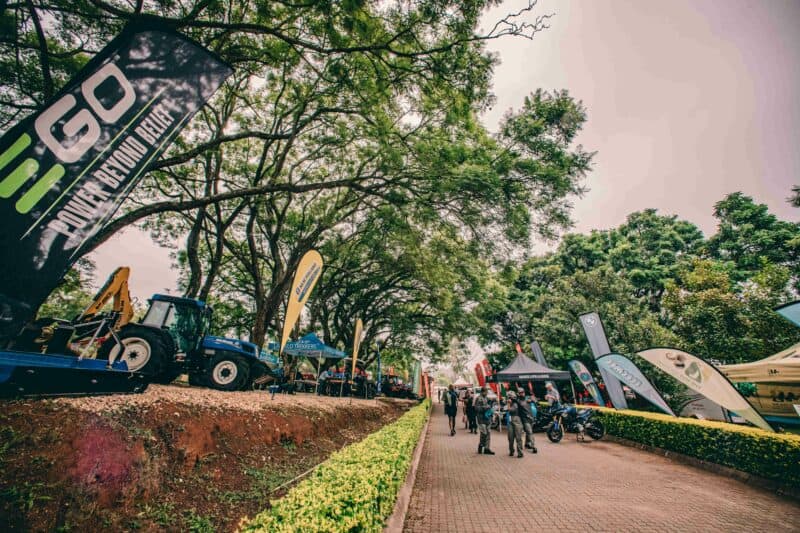
Beyond the speaker hall, a wide range of exhibitors will give attendees plenty to explore, allowing them to tailor the experience to their interests. If you’re not already excited, the entertainment programme should seal the deal.
South African music sensation Barto is headlining the entertainment line-up with a performance on February 5 at 18:00. Additionally, Lowveld musical acts Voodoo Kudu (February 5, 16:00 to 17:00) and Coenie Naude (February 6, 15:00 to 17:00) will also be gracing the stage.
“We encourage you to attend the insightful presentations by leading industry experts on Thursday and Friday morning, enjoy the diverse food and beverage offerings, and take the time to engage with both new and familiar faces. Everyone gets value from the expo,” Moufarrige said.
“It’s a great place for people from every corner of the industry to come together and meet and trade ideas. We’re all very excited.”



• Gates opening / ticket registrations: 08:00
• Exhibition setup – view of exhibitors: 08:00 – 17:00
• Master of Ceremonies: Neels Kemp (100.5 FM Presenter).
Thursday, February 5, 2026
• Opening and welcoming – Philip Moufarrige: 09:00 – 09:05
• Grondregstellings en makadamia monitering – GP Schoeman: 09:10 – 09:30
• Praktiese aspekte van biologiese insek bestuur – Schalk Schoeman en Natja van Heerden: 09:35 – 10:10
• Labournet HR Model – Sanel Uys: 10:15 – 10:35
• Macadamia industry outlook – Allan Duncan: 10:35 – 11:00
• SA economy overview – Dawie Roodt: 11:00 – 12:00
• Wat is jou risiko as boer? – Fanie en Monya Erasmus, Tjoeps Thornhill: 12:05 – 12:40
• Physiology-based irrigation – Dr. Adolfo Levin: 12:45 – 13:15

Friday, February 6, 2026
• Opening and welcoming – Neels Kemp: 09:00 – 09:05
• Gronddam instandhouding – Belinda Labuschagne: 09:10 – 09:30
• Smart microgrids – André Anderson: 09:35 – 09:55
• Sub-soil compaction – Hans van Niekerk: 10:00 – 10:35
• UAV data in orchards – Ken Treloar: 10:40 – 11:05
• Make or break for macadamias – Philip Moufarrige: 11:10 – 12:05
• Technologies to your advantage – Dr. Elsje Joubert: 12:10 – 12:40
• Farm costing and labour data – Lourens van der Merwe: 12:40 – 13:15
Entertainment
• Voodoo Kudu: February 5 – 16:00 – 17:00
• Barto: February 5 – 18:00
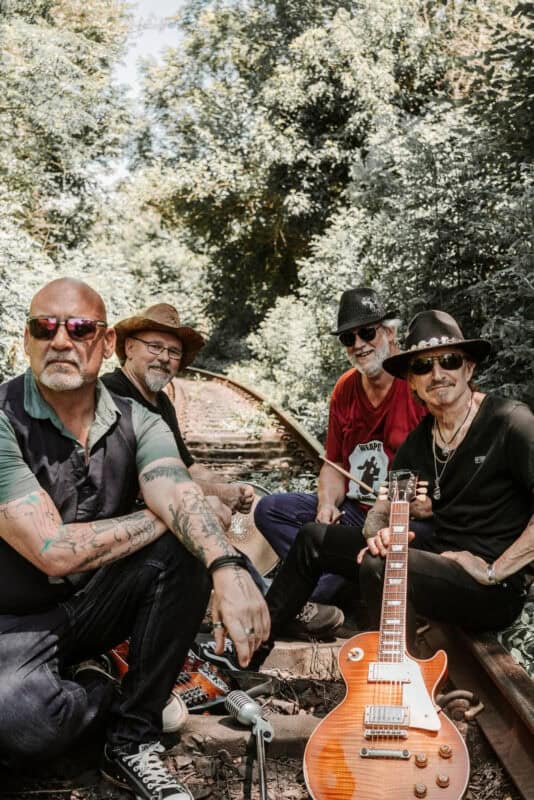
February 6 – 15:00 – 17:00
• Coenie Naudé: February 6 – 15:00

• Gates close: 20:00.
Get Around
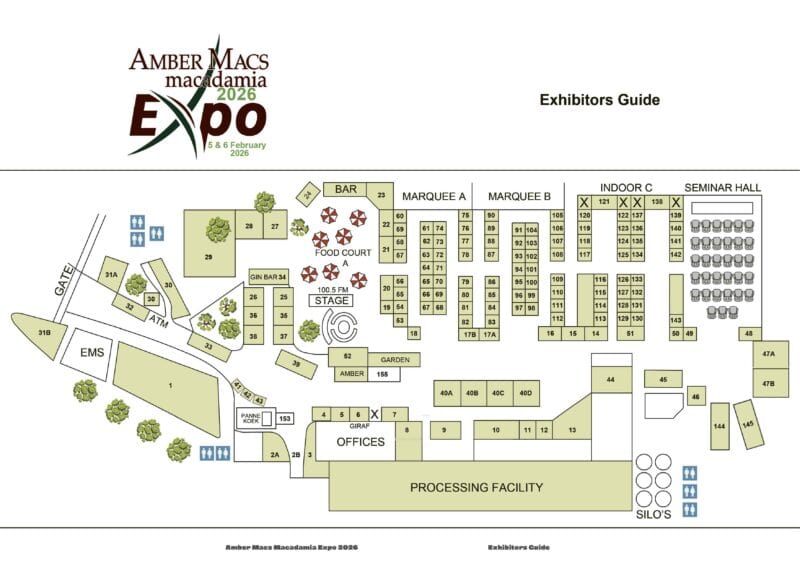
Exhibitors guide

Keep agriculture moving with smarter drive solutions
South Africa’s agricultural sector is under unprecedented pressure. Farmers must produce more with less – less water, labour, energy and financial flexibility – while meeting rising quality, export and processing standards. For many producers, these demands converge on a single operational layer: their drive systems.
In this environment, reliability, energy efficiency and intelligent control of equipment have become non-negotiable.
Across farms, packhouses, processing plants and irrigation networks, SEW-EURODRIVE
is modernising operations. With geared motors, industrial gear units, variable speed control and decentralised automation platforms, the company enables more productive, cost-effective and resilient farming. Its well-established Lowveld branch ensures expert assistance where it matters most – on the land.
A technology partner across the value chain
SEW-EURODRIVE’s footprint in agriculture continues to grow because farmers see tangible benefits: higher uptime, lower maintenance, optimised energy usage and scalable operations. Its portfolio spans the full value chain, from field irrigation to post-harvest handling and advanced food processing.
Field operations and irrigation
Irrigation is one of farming’s most energy-intensive components. SEW-EURODRIVE offers complete plug-and-play drive packages for centre pivots, combining robust centre drives, wheel drives, geared motors and IE3 premium-efficiency motors. Decentralised control allows automated monitoring and improved performance.
These units align seamlessly with existing configurations, reducing installation complexity and downtime. Rugged construction ensures consistent performance in dusty, humid and high-load conditions typical of South African farms.
Crucially, SEW-EURODRIVE supports refurbishment and repair through its national service network. Reconditioning over replacement saves costs, extends equipment life and supports sustainability.
Energy audits and efficiency
With electricity costs increasing sharply, SEW-EURODRIVE’s energy audit programme has become a valued service. Specialists assess irrigation and pumping systems to identify inefficiencies, then recommend targeted improvements such as upgrading to IE3 motors, optimising gearbox selection, or integrating MOVIGEAR® and MOVI-C® systems for decentralised and variable speed control.
These interventions often pay for themselves within a few irrigation cycles. By reducing current draw, improving start-stop control and enhancing drivetrain efficiency, farmers achieve immediate savings and improved reliability.
Post-harvest handling
Modern agriculture extends beyond crop production. Farmers rely on packhouses and processing infrastructure to maintain quality and meet market standards. SEW-EURODRIVE technologies support this chain from conveying to cold storage.
Conveying, sorting and packing
Packhouses face fluctuating throughput demands, especially during harvest.
SEW-EURODRIVE’s drive technology enables conveyors and sorting lines to be precisely controlled and synchronised. Variable speed drives allow real-time adjustments, cutting energy use and equipment wear.
ECDriveS® technology, widely used in roller conveyors, reduces energy consumption while maintaining handling quality. MOVI-C® automation integrates multiple machines into unified systems, ensuring accurate synchronisation and smarter throughput management.
Cooling, processing and grain handling
Beyond packhouses, SEW-EURODRIVE drives power cold stores, grain silos and food processing plants. Its 7 Series geared motors and X.e-Series gear units drive mixers, agitators, augers, elevators, fans and blowers. Engineered for longevity, they withstand harsh, continuous-duty environments and frequent start-stop cycles. Their reliability helps maintain strict quality standards and minimise downtime.
Automation for the modern farm
Automation is becoming central to efficient production. SEW-EURODRIVE supports this transition with decentralised systems that integrate drive, control and communication technologies.
MOVIGEAR® mechatronic units combine motor, gearbox and electronics into one device, ideal for conveyor-intensive packhouses. Lightweight, efficient and requiring minimal wiring, they reduce installation time and energy usage.
For larger operations, the MOVI-C® modular platform provides centralised or decentralised control across processing lines. It enables precise motion control, diagnostics and remote monitoring – critical for scaling production, improving traceability and ensuring consistency.
Local and national support
The Lowveld region – home to citrus, macadamia, sugar cane and fresh produce – is a vital part of South Africa’s agricultural economy. SEW-EURODRIVE’s branch there provides immediate access to motors, gear units, electronics and technical expertise. Local technicians conduct on-site assessments, troubleshoot issues and deliver fast repairs, keeping systems running during peak seasons.
Nationally, farmers benefit from SEW-EURODRIVE’s branch network, strong stockholding and regionalised service structure. Rapid access to components, trained field service teams and robust logistics minimise downtime.
A major new investment is the geared motor repair centre at Johannesburg headquarters, expanding in-house capabilities for repairs, rewinding, machining, balancing and refurbishment. This facility will improve turnaround times and reinforce SEW-EURODRIVE’s commitment to sustainable, repair-based service models.
Driving agriculture into the future
From centre pivots to packhouses, grain facilities and food processing plants, SEW-EURODRIVE is strengthening every link in South Africa’s agricultural value chain. By combining advanced technology with a rooted support structure, the company delivers real value at the heart of production.
Its long-term approach – built on energy efficiency, reliability, extended equipment life and regional support – ensures farmers are equipped for today’s challenges and tomorrow’s opportunities. In a sector defined by constant change and rising expectations, SEW-EURODRIVE is truly driving agriculture forward.
Contact information:
Website: www.sew-eurodrive.co.za
LinkedIn: SEW-EURODRIVE-sa
Facebook: SEWEurodriveSA
Instagram: seweurodrivesa

Understanding water movement in soil for irrigation success
Drip irrigation has made a massive impact in a variety of crop industries. As technology improves and knowledge expands, it will continue to do so.
With increased pressure on agriculture to use fewer resources, the fundamental challenge remains: How can we maximise crop yield and quality while using less water?
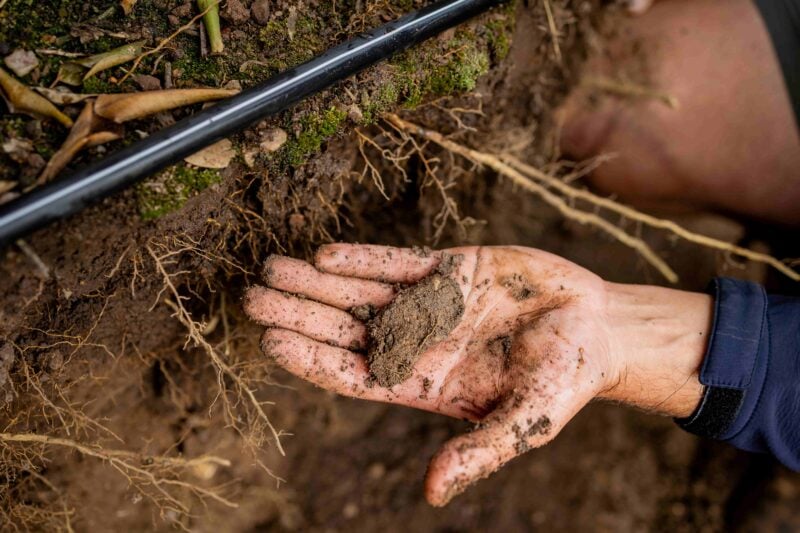 The answer lies beneath our feet, as understanding how water moves through soil is key to scheduling irrigation effectively and ensuring optimal crop performance.
Soil insights
Each soil type has unique characteristics that affect water movement. Factors such as infiltrability, hydraulic conductivity, water retention and porosity determine how water is absorbed, distributed and stored in the soil profile.
When crops are drip irrigated, the water is delivered in one spot, and we rely on the soil’s physical ability to distribute the water.
A wetted bulb or saturated circle form under the dripper. Your soil’s physical characteristics and the delivery rate of the dripper will determine the dimensions of this circle.
Flow and infiltrability
Drippers with higher delivery rates displace more air faster, creating variation in the soil’s oxygen levels and leading to lower uptake of water.
Drippers with lower delivery rates allow for better hydraulic conductivity without rapidly reducing the levels of oxygen in the root zone.
An ideal point of balance between water and oxygen, at which plants will thrive, exists for each soil type. When we irrigate, our aim is to manage the root zone with precision to maintain the perfect soil-water-oxygen balance.
Here are three of the many lessons Team Netafim has learned through experience in orchards, vineyards and beyond:
• Higher delivery rates in sandy soils tend to create deep but narrow wetted zones, often leading to water loss beyond the root zone.
• Lower delivery rates promote better capillary action, allowing water to spread more evenly and ensuring balanced root-zone hydration.
• Compacted soils alter water movement by restricting infiltration, causing water to pool horizontally above compaction layers, potentially suffocating roots.
Holistic success
With any crop, success depends on everything from soil preparation to harvesting practices, the decisions made by the farmer and expert consultants, and many factors beyond the farmer’s control.
To achieve the best results, farmers should embrace a data-driven approach:
• Use soil moisture sensors to track trends rather than relying on guesswork.
• Regularly inspect dripper performance to ensure consistent water delivery.
• Adjust irrigation scheduling based on weather conditions, soil moisture levels and phenological stage of the plant.
• Leverage modern irrigation technology to automate precise water and nutrient delivery.
Balancing water distribution
Optimal irrigation demands understanding the soil, the irrigation system, the crop and local climatic conditions.
Efficient irrigation provides the tools for precise crop management. It’s about timely, need-based water delivery and integrating all influencing factors to manage the crop based on phenological stages for optimal production.
A holistic approach is necessary where all data and impacting factors are integrated.
Rhyzobug - A promising biological control agent
By: Dr Schalk Schoeman and Natja Van Heerden (Koppert Area Manager Mpumalanga)
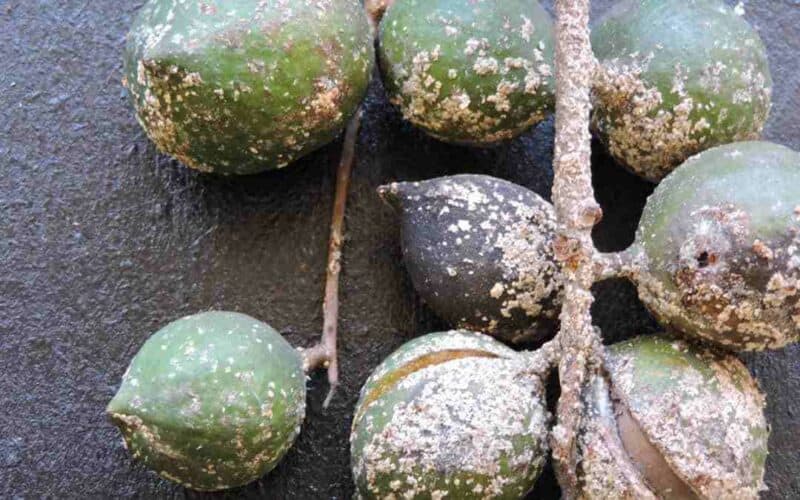
The macadamia felted coccid (MFC), Acanthococcus ironsidei (formerly Eriococcus ironsidei), is a significant invasive pest of macadamia trees in South Africa, causing leaf discoloration, flower and nut drop, branch dieback, and reduced yields.
This insect has been in the country for nearly a decade, but until recently effective, co-ordinated integrated management still eluded us.
Biological control is a key component of integrated pest management (IPM) for this pest, as chemical controls like insecticidal oils and growth regulators provide limited efficacy and risk resistance development. What alternatives could be considered?
During the 2024/25 growing season, we identified a predatory beetle that feeds on the MFC. This beetle was identified as Rhyzobius lophantae. This beetle is a well-known beneficial species of the California red-scale pest found in the citrus industry.
Koppert, along with Dr Schalk Schoeman, did a small in-field cage trial to compare the feeding and behavioural patterns of Cryptolaemus montrouzieri and Rhyzobug (Rhyzobius lophantae) on the MFC.
During the cage studies, it was confirmed that both the beetles feed on the MFC.
The Rhyzobius was a more voracious predator, as there was significantly more feeding damage on the MFC (Table 1) when compared to the feeding damage from Cryptolaemus. It was also found that Rhyzobius can complete its life cycle in the MFC population, whereas Cryptolaemus could not complete its life cycle and died off within a few weeks.
It must be emphasised that these results are provisional and more detailed follow-up work is required.
Biological control of scale-like pests usually operates on a bimodal pattern. Numbers are first reduced by high-density feeders such as this beetle, after which hymenopterous parasitoids, like Metaphycus macadamiae, deliver the coup de grâce.
These biological control agents should be supported by the strategic use of pesticides, as well as products such as smothering agents (mineral oil), which have a very low environmental impact.
At Koppert, we offer a range of integrated biological solutions to assist growers in sustainable and successful IPM strategies.
Contact us to find out how Rhyzobug and other biological solutions can form the cornerstone of your IPM strategy for macadamias.


Biological control of stink bugs
By: Dr Schalk Schoeman
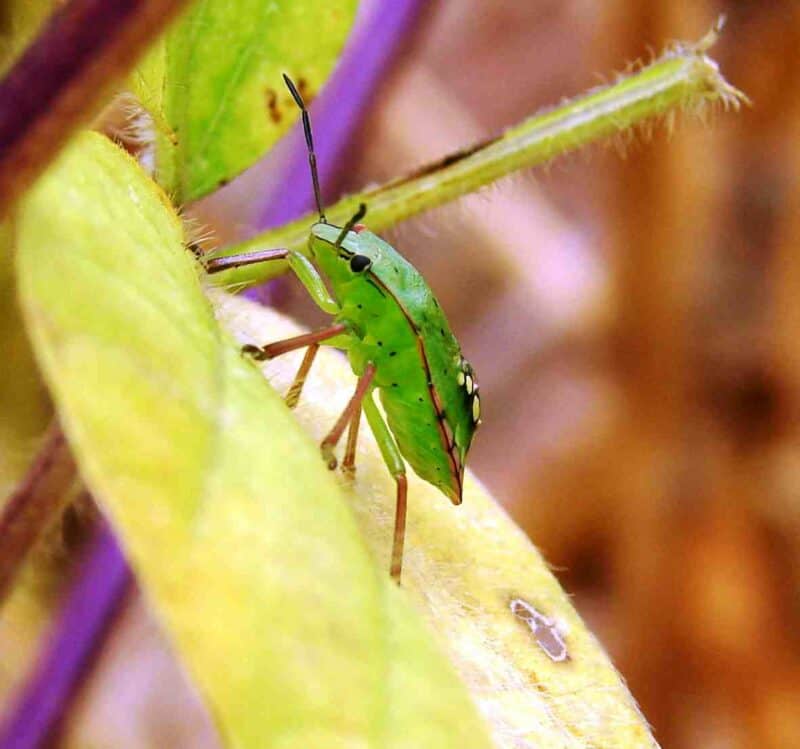
The term ‘biological control’ is often used, but the real value of this phenomenon is not often realised. The two-spotted bug is indigenous to South Africa. All its natural enemies are, therefore, also present, and the bug should consequently be under effective biological control, yet it is the main pest for macadamias. To demonstrate the real value of biological control, the following calculations were made:
Assumptions:
i) Sex ratio: 66% female, 33% male two-spotted bugs
ii) 15 egg packets containing 14 eggs each
iii) No natural mortality
iv) Three generations in macadamias
v) Start the season with one male and one female
• 1st generation = 1 female x 15 egg packets x 14 eggs/packet = 210 eggs x 0.66 (females) = 139 females
• 2nd generation = 139 females x 15 egg packets x 14 eggs/packet = 29 190 eggs x 0.66 (females) = 19 265 females.
•3rd generation = 19 265 x 15 egg packets x 14 eggs/packet = 4 045 650 individual stink bugs.
What are the main biological control agents for this pest?
Egg parasitoids
These are probably the most efficient as they will regulate pest numbers before adults and nymphs are able to damage the nuts. Occurrence of these insects is seasonal, but they are usually most abundant during February. Parasitism, ranging between 24 to 86%, has been recorded. Currently six indigenous parasitoids have been recorded, some of which can now effectively be used for the management of the two-spotted as well as other bugs. Trissolcus basalis is an important exotic natural enemy that was introduced to South Africa for the control of the green vegetable bug. This insect can be released for the general management of stink bugs.
Adult parasitoids
Two indigenous parasitic flies (Tachinidae) are responsible for parasitism rates of up to 58%.
The parasitoids Trichopoda pennipes and Trichopoda giacomelii have also been imported and released, although no comprehensive follow-up work on the impact of this practice has subsequently been done.
Insect pathogens
Two insect pathogenic viruses were recovered from green vegetable bug cadavers, but similarly, very little follow-up work has been done in this regard. During the early 2020s, a research project that concentrated on fungal pathogens revealed the presence of several species, most notably some strains of Beauveria bassiana. Some of these strains are currently being considered for commercialisation. Because stink bugs do not have a prominent soil phase, the usage of entomopathogenic nematodes may unfortunately not be feasible.
Disease-causing bacteria is a third option that may warrant further research, although track records of this pathogen group, worldwide, against stink bugs is not promising.
Insect predators
General predators such as praying mantises, robber flies, dragonflies and lacewings all play an important, but currently undefined, role in stink bug regulation.
Vertebrate predators
Birds, bats and other vertebrates will reduce insect populations, therefore, all aspects that enhance a healthy orchard ecosystem should be promoted.
Perhaps the best way to ensure the sustained presence of these insects in an orchard is to provide them with a suitable habitat.
This can come in the form of the adoption of an IPM programme, islands of biodiversity, cover crops and pollinator strips, but will be the subject for a subsequent discussion.

TopNut sets new standard in nut variety management
With 75 years of experience between them, TopFruit and Agristar joined forces and formed the company, TopNut.
TopFruit brings its decades-long experience in introducing and commercialising new fruit varieties to the table while Agristar’s extensive expertise across the tree nut value chain – from nursery, farming, processing, marketing and retail – is invaluable.
TopNut is a global leader in nut variety management, specialising in sourcing, evaluating, and commercialising new tree nut varieties with superior characteristics. With expertise across the entire value chain, from breeder to consumer, TopNut delivers improved returns for all stakeholders through innovation, protection, and precision management.
The company provides a comprehensive suite of services, including plant breeder’s rights and intellectual property protection, plant material management, breeder relations, quality control, royalty management, marketing and technical support.
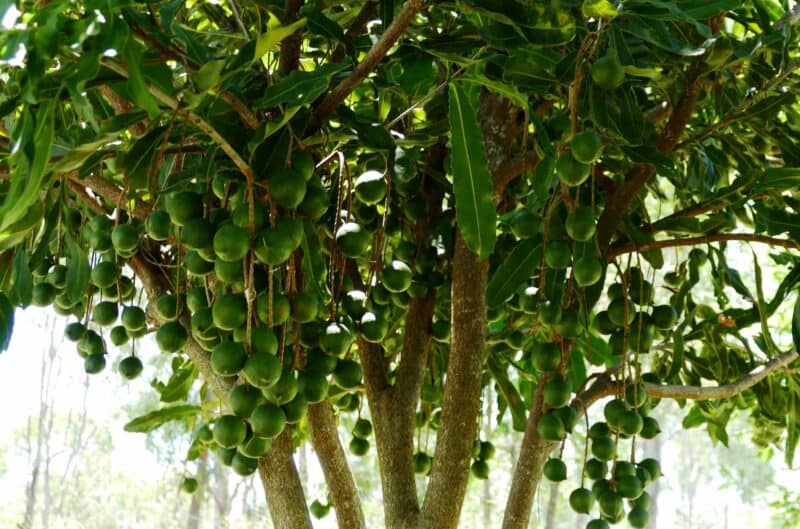
Australia, already delivering an impressive yield for its young age.
By operating within a secure and scalable network, TopNut aims to ensure the long-term success of its partners and growers.
TopNut is the master licensee for the macadamia variety, MCT1, in Africa and works closely with growers to help them achieve the best results from their orchards. MCT1 is one of the most productive macadamia varieties available to growers.
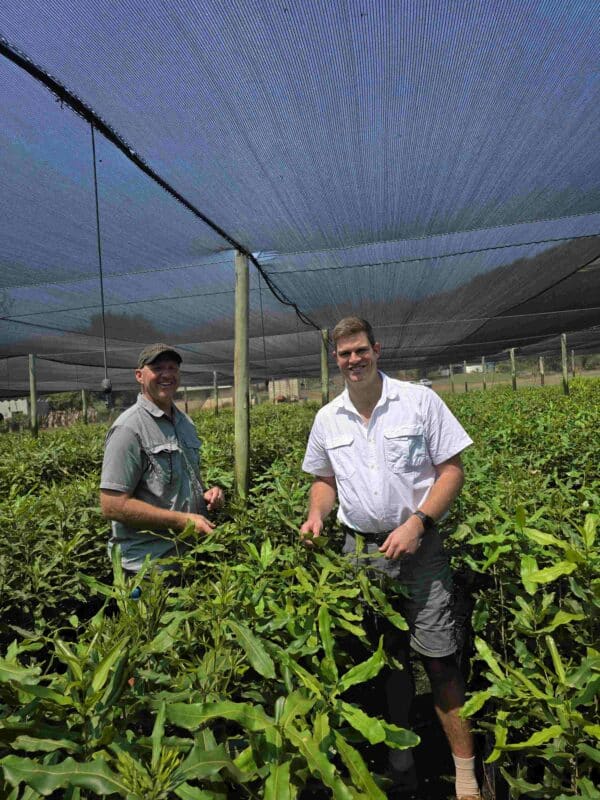
Nurseries and Bernhard Jordaan of TopNut.
It offers high yields, excellent kernel recovery, and a compact tree structure with consistent performance. MCT1 test orchards have been established in Mpumalanga, Limpopo, KZN, Western Cape, Malawi, Eswatini, Kenya and Zambia and the variety continues to deliver strong results across these African regions.
TopNut also manages Potamia Erdin, a walnut variety originating from Türkiye, noted for its high productivity and adaptability.
It requires significantly lower chemical input compared to standard industry varieties, making it a more sustainable option for commercial production.
This variety performs well in hot climates, including coastal regions, and produces high yields of large, light-coloured nuts. Potamia Erdin features a thin shell and high kernel-to-shell ratio, enhancing processing efficiency. Additionally, its reduced labour requirements further contribute to its commercial appeal.
TopNut has strategic partnerships with third-party nurseries such as Cultivating Solutions in KZN and RedSun Hortitech in Limpopo to ensure reliable supply to the market.
To add even more value, TopNut has acquired Future Tree Nurseries in Malalane, expanding its ability to provide certified, high-quality trees and direct technical support. Together, TopNut and Future Tree Nurseries offer a complete package that combines top genetics, on-farm advice and close relationships with growers.
With Future Tree Nurseries and TopNut every tree you plant becomes an investment in innovation and proven performance.
For more information, contact:
• Anneli Bosman (General Business Developer) on 083 736 5553.
• Bernhard Jordaan (Technical Manager) on 067 214 1800.