Many DNA successes in poaching war
In the ongoing battle to safeguard these animals and to catch and prosecute those responsible for their death, a wide range technological solutions have been implemented – some with greater effect than others.
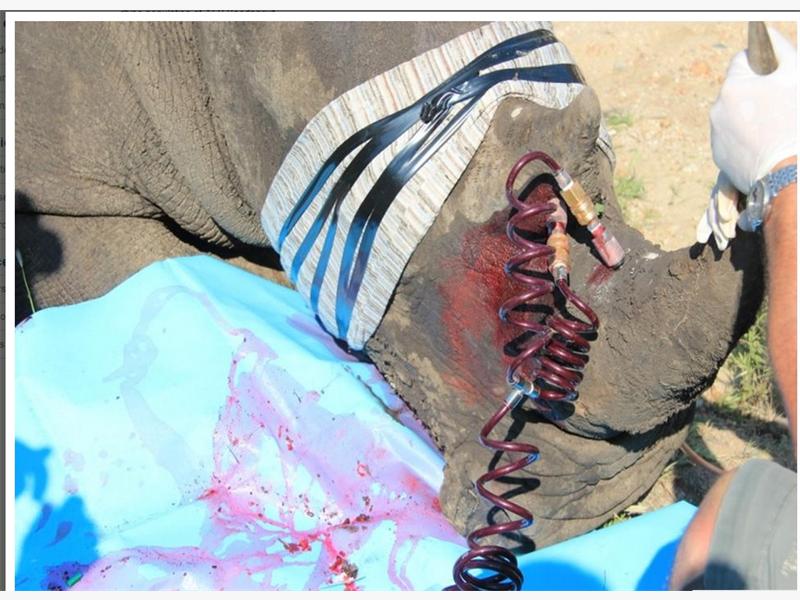
The use of science and technology in counter-poaching extends to the use of rhino DNA as well as the hotly debated practice of infusing rhino horn with ectoparasiticides. Lowvelder explains these two scientific applications.
• DNA technology
What is this and how is it used in the war against rhino poaching?
As far back as 2007 Dr Cindy Harper head of veterinary genetics laboratory at the University of Pretoria (UP) started a research project to extract DNA from rhino horn. DNA taken from a specific horn matches DNA found on any other part of the animal, even after death. When a poacher is found with a horn, DNA can link it to a carcass in the veld, ultimately leading to a conviction.
The UP faculty has developed 1 000 DNA kits for use by SANParks and the practice was introduced in the Kruger national Park in 2010.
DNA technology is being used to link individual animals that have been poached to specific firearms and horns. When a carcass is discovered, bullet casings and any other material evidence including the animal’s DNA is collected and recorded into the docket by investigators.
There are also animals that have microchips inserted into their horns for future reference if and when they are poached.
All the information helps to build strong cases against suspects when they are arrested, explained Mr Isaac Phaahla of SANParks.
RhODIS (Rhino DNA Index System) is a project that was initiated by the veterinary genetics laboratory of UP where DNA samples of rhinos across the country are collected in a database.
Private sector support has enabled RhODIS to profile the DNA of 4,500 rhino and assist in more than 400 forensic cases, leading to several convictions of poachers.
• Horn infusion
What is this?
The rhino horn is infused with a compound of depot ectoparasiticides and indelible dye with the intent to spoil it for ornamental or medicinal use.
How is it used to combat rhino poaching?
One of the first organisation to test this in the field, the Rhino Rescue Project hopes that this will deter poachers and prevent these animals being killed because the horn is perceived as less valuable. Although not lethal in small doses, ingesting ectoparasiticeds can cause nausea, vomiting and convulsions.
Successes and failures
Ezemvelo KZN Wildlife launched an infusion pilot in Tembe Elephant Park and Ndumo Game Reserve on the northern border of KwaZulu-Natal with Mozambique in 2013. However, rhino were poached here early in May.
Four of SA’s leading wildlife scientists and veterinary experts, Dr Sam Ferreira and Mr Danie Pienaar of SANParks Scientific Services, Dr Markus Hofmeyer of SANParks Veterinary Wildlife Services and Dr Dave Cooper of Ezemvelo Wildlife Services contributed to an article set to appear in the July edition of the journal, Pachyderm entitled, “Are chemical horn infusions a poaching deterrent or an unnecessary deception?” It examines among other things the efficacy of chemical infusions. This measure did not meet stringent laboratory tests. Chairman of the Private Rhino Onwers Association of SA, Mr Pelham Jones, had also commented that the method of infusion was not effective and that only sections of a horn could be treated.
SANParks had indicated from the onset that it would not infuse the horn on rhino in the KNP. The decision was informed by cost and the logistical aspects rather than by the efficacy of the exercise, said Phaahla.
Read about canines in counter poaching as well as the use of UAVs and other flying objects.