10 South African foods you didn’t know were endangered
South Africans are so used to fast food and fizzy drinks that we don't stop and appreciate the treasures of our country.
Baleni salt
Produced right here in our backyard, Baleni (or Sautini) salt is one of the last forms of salt that is not mechanically produced. The Lowveld is the only place where the circumstances are just right for it to form and for locals to make it by hand. The spring is located near the Klein Letaba River. The salt-making process is deeply embedded in the spirituality of the locals and archaeologists believe they have been making salt here since the Iron Age. Sangomas use the salt in their medicines and there are physical risks to making it. Younger generations are becoming less and less involved in making salt, causing the produce to reduce.

Namaqua Afrikaner sheep
The Khoikhoi people migrated to South Africa between 200 and 400 AD and brought with them a smooth-haired, fat-tailed sheep. This animal could travel incredible distances in the search for food and water. As the years dragged on, however, the sheep became mixed with European races and this resulted in the original gene pool being on the brink of extinction.

Afrikaner cattle
They are muscular with a lump on the back of the neck and long, white horns. The history of the animal is uncertain, but it is believed that they were bred in the 15th century and used by the Khoikhoi people and, eventually, Dutch settlers. African-bred cattle were replaced by European breeds after World War I and today the Afrikaner cattle are only farmed by a few South African farmers.

Aloe honey
Honeybees produce honey from the Bont-aalwyn (Aloe greatheadiivar. davyana) during dry winters. With its long, thin tubes it allows only selective access to bees. Not only is the number of honeybees in South Africa dwindling, but the aloe itself is being threatened due to land development, grazing animals and fires.

Kukumakranka
No, this is not emotive Afrikaans. A kukumakranka is actually a fruit, belonging to a plant grown in the dry summers of the Western Cape. The plant blossoms in spring, after which it bears the sweet kukumakranka fruit. It was traditionally used as a perfume. The fruits’ presence declined along with the locals’ traditions and today it is hardly used for anything but to be kept in brandy (to give off the sweet flavour). Its habitat, however, is under threat by developers, leading to its endangered status.

Pedi sheep
This small, hornless sheep has a flat body and long legs. It is being farmed in the Northern Province but is being slowly replaced by European breeds.

Thuli cattle
These white (sometimes red) cattle adapted to the semi-desert of South Zimbabwe. They were used primarily for milk production and subsequently developed udders that would allow for easy milking. They are now being replaced by European breeds and stand a chance to be faceted out completely due to hybridisation.

Wild rooibos
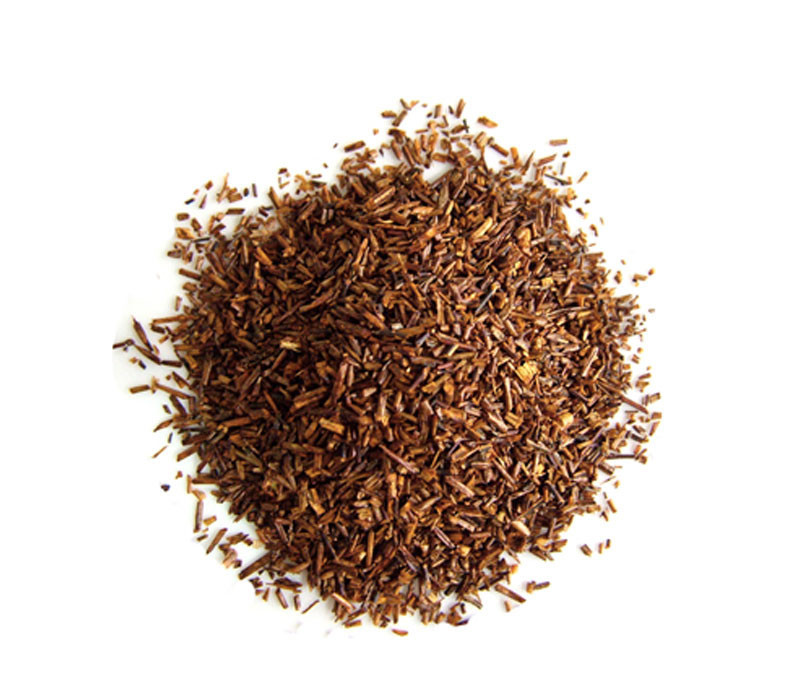
South Africans love their rooibos. It is well known as a legume that grows wild and naturally in the Cederberg and surrounding areas of southwestern South Africa. Many local names for the plant are still used by the older inhabitants of the area, including Koopman’s tea. Wild rooibos is harvested by hand, usually in the summer months between January and April. Rooibos has been an invaluable traditional medicine of South Africans for centuries. It was first discovered by the Khoisan. Areas where rooibos grows wild are being planted with the cultivated variety to create plantations. Inappropriate harvesting methods also threaten the future of the plant. Much of the remaining bushes are also within proclaimed native reserves where no harvesting is permitted.

Xigugu
Xigugu is a popular and tasty snack in Tsonga-Shangaan cuisine. It is unique and easy to prepare and is popular amongst Tsonga-Shangaan people, especially for special occasions and traditional gatherings. It consists of roasted corn and peanuts mixed with different spices or sweeteners, according to how it will be used. Older generations have fond memories of xigugu, though today fewer and fewer people still make this traditional product.

Zulu sheep
These sheep, known as izimvu in local dialect, first appeared on the eastern coast of the South African province of Kwazulu-Natal around 1 800 to 2 000 years ago. There are certain social and spiritual values attached to the Zulu sheep and it is an essential element in the traditional rituals of the indigenous population. It also has an important role in traditional medicine, and its fat is used as a sedative in cases of aggressiveness or hyperactivity.

Adapted from www.slowfoodfoundation.com