Lantana worst weed in the world
Managing Lantana camara very important to the environment
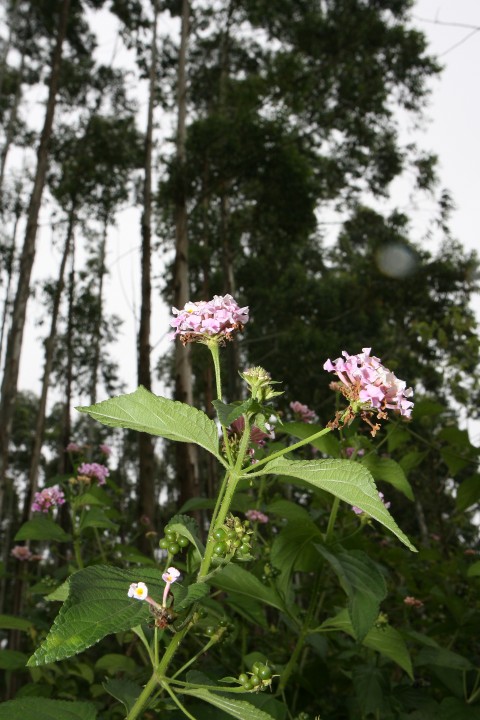
MBOMBELA – Lantana is one of the worst weeds in the world and was declared an invasive species 30 years ago in South Africa.

It now falls under the Conservation of Agricultural Resources Act (CARA), Category 1 plants, which means that landowners are, according to this legislation, legally obliged to control this species.
It is a hardy and ornamental shrub and can form an almost impenetrable, sticky and prickly hedge.

It is known to invade natural landscapes and out-compete indigenous plants. It also tends to reduce cattle grazing and plantations alike and is a threat to biodiversity and natural ecosystems.
It is even a problem in the Kruger National Park (KNP), although the situation has improved a lot, according to Michelle Hofmeyr, manager of the nursery at Skukuza. “You know what is frustrating? We spend a lot of money and effort on controlling the weed inside Kruger, but our neighbours don’t do the same. Not only does this plant kill indigenous plants, but the seeds are toxic and can kill our animals.”
The fruits are glossy green and turn to a purplish-black when ripe and are highly poisonous to humans and some animals.

Other alternative names for this plant include gomdagga or wilderoosmaryn in Afrikaans, tick berry or cherry pie in English and ubukhwebezane in isiZulu.
Lantana camara is a problem in six of the nine provinces in South Africa with only Gauteng and Northern Cape and Free State being spared.
In the previous century the French government brought these plants to their various colonies in Africa to be used as hedges, because they could form impenetrable barriers around farms and towns.


Most of the spraying and removal of the plant takes place in winter, but now is also a good time, before the seeds are formed.
To date no charges have ever been laid against anyone for not managing this weed on their property, but this might just change soon.
The latest official list of unwanted and invader species was released in August 2014, which makes allowances for legal steps to be taken against transgressors.