Urgent steps should be taken to save vultures
The decline in vulture populations quite startling and the impact enormous.
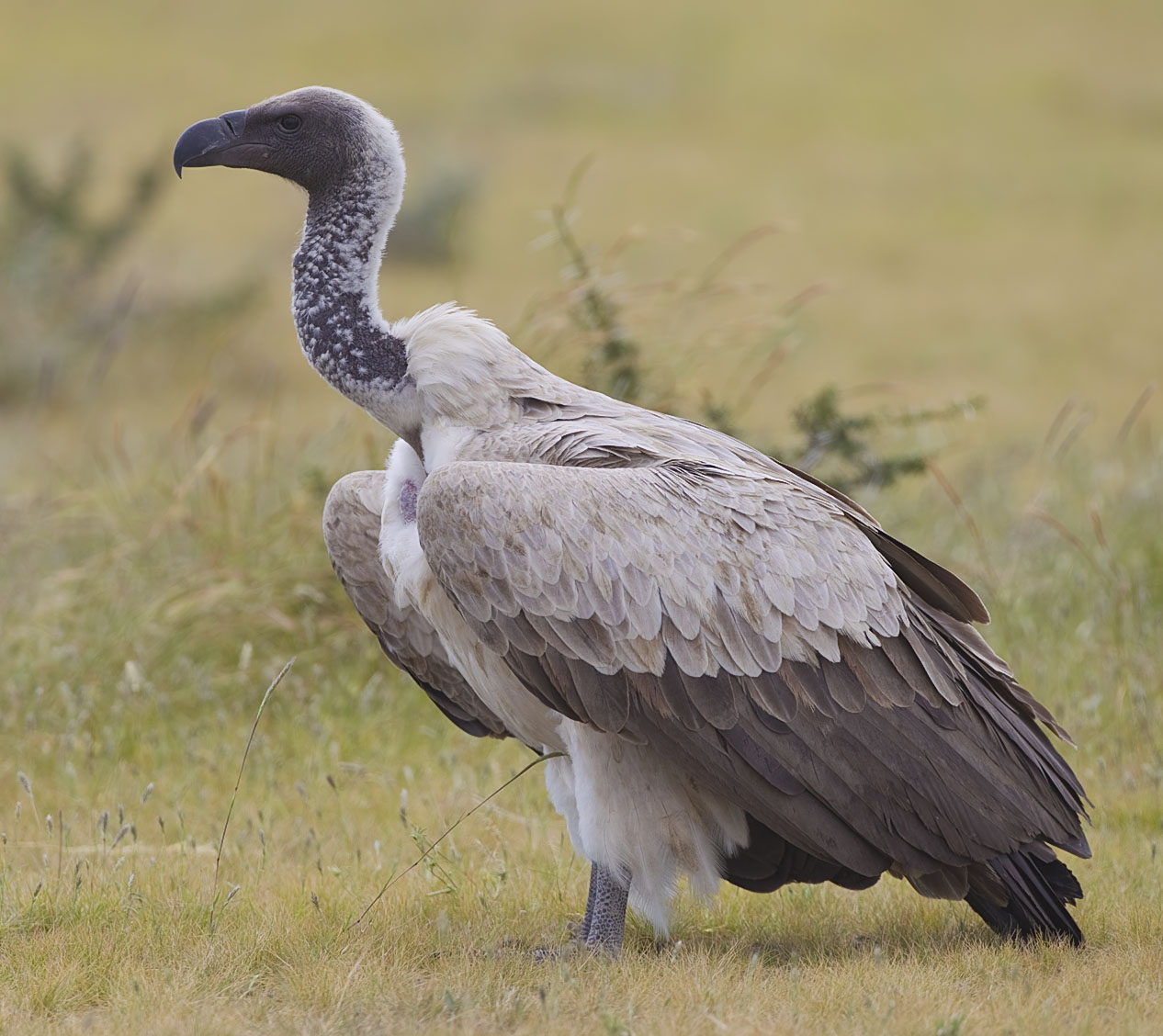
MBOMBELA – The decline of vulture populations nationally as well as globally is reaching crisis proportions.
An international team of researchers suggests that African vultures are likely to qualify as “critically endangered” under the global threat criteria of the International Union for Conservation of Nature (IUCN).

The manager of Birds of Prey at the Endangered Wildlife Trust, Mr André Botha, told Lowvelder that the decline of African vultures should ring alarm bells due to their immense ecological importance. “Vultures are a vital component of a healthy environment, especially in Africa, where ‘free’ ecosystem services such as disposal of carcasses and other waste products remain the norm. Urgent steps should be taken to save these birds. If we don’t we should expect long-term consequences for the environment, as well as for humans in Africa.”
In the past two months there have been colonies of vultures poisoned at various places. According to Botha, poisoning is responsible for 61 per cent of the birds’ fatalities.
The death toll recently was a total of almost 80. Only two white-backed vultures survived.
“The origin of the poisoning seems to be multifaceted and either primary or secondary,” said
Dr Gerhard Verdoorn, of the Griffon Poison Information Centre.

The circling of vultures usually attracts the attention of anti-poaching units. Leading the rangers astray buys them enough time to flee the scene.
Another primary poisoning method is farmers using chemicals to protect crops and small farm animals from vultures.
This has Verdoorn hot under the collar. “It is against the law for farmers to use chemical poisoning to contain predators. It not only kills scarce and endangered wildlife, but it is a serious accusation against farmers. Their property should be confiscated if they cannot deal with the difficulties and challenges of farming.”
A secondary case of poisoning is other scavengers that have been poisoned and then eaten by vultures.
The value of vultures as scavengers is essential to a healthy ecosystem.
Without them carcasses will be consumed by scavengers such as dogs and jackal, which can increase levels of disease transmission with possible dire consequences for human health, Verdoorn added.

In the recent case of poisoning of vultures at Lionspruit, two surviving vultures were nursed to health at Moholoholo Rehabilitation Centre and released into the wild two weeks ago.

For Botha and Mr Brian Jones, the manager at Moholoholo, to see the vultures fly away healthy was amazing. “It was like giving your soul wings. Both of the birds circled over the team that released them and then joined other vultures at a carcass nearby. It was like they were saying thank you to us. Very uplifting and it makes all the hard work worthwhile.”

Botha and Verdoorn agree that the trade in vulture parts for traditional medicine is particularly widespread in parts of South Africa, but is a bigger challenge in other countries in Africa, particularly in West Africa, where vultures are openly traded in large markets in Nigeria and Benin.
“As vultures remove large amounts of pathogen-infested meat and other waste products each day, they limit the spread of disease in both rural and urban areas. The trade of vultures for traditional medicine may in fact enhance the spread of disease,” said Botha. “Traditional healers would normally cut off feet and heads after the birds had been poisoned.”

Many people see wind energy as one of the key solutions to meeting Africa’s growing energy demand and mitigating climate change. As a result, wind farms are already under construction or are being planned across southern Africa.
But according to Verdoorn, wind farms can pose real threats to bird species, and they have the potential to jeopardise threatened populations. “They are planning a big wind farm in the Eastern Cape that it is directly in the path these migratory birds use. I cannot understand why no environmental-impact study was done,” he added.
As long-living, slow breeders, vultures take several years to reach maturity, and typically fledge only a single offspring every one to two years.

Yet the study indicates that Africa’s vultures have declined at rates of between 70 and 97 per cent over three generations, the period used by the IUCN when assessing a species’ threat status.