
Marloth veld being restored
MARLOTH PARK – Residents and the Marloth Park Property Owners Association (MPPOA) were so concerned about the state of the flora in the park that they contacted an environmental specialist, Ralf Kalwa, for guidance on how to rehabilitate the veld. They raised the necessary funds for an assessment and management plan as there has been …
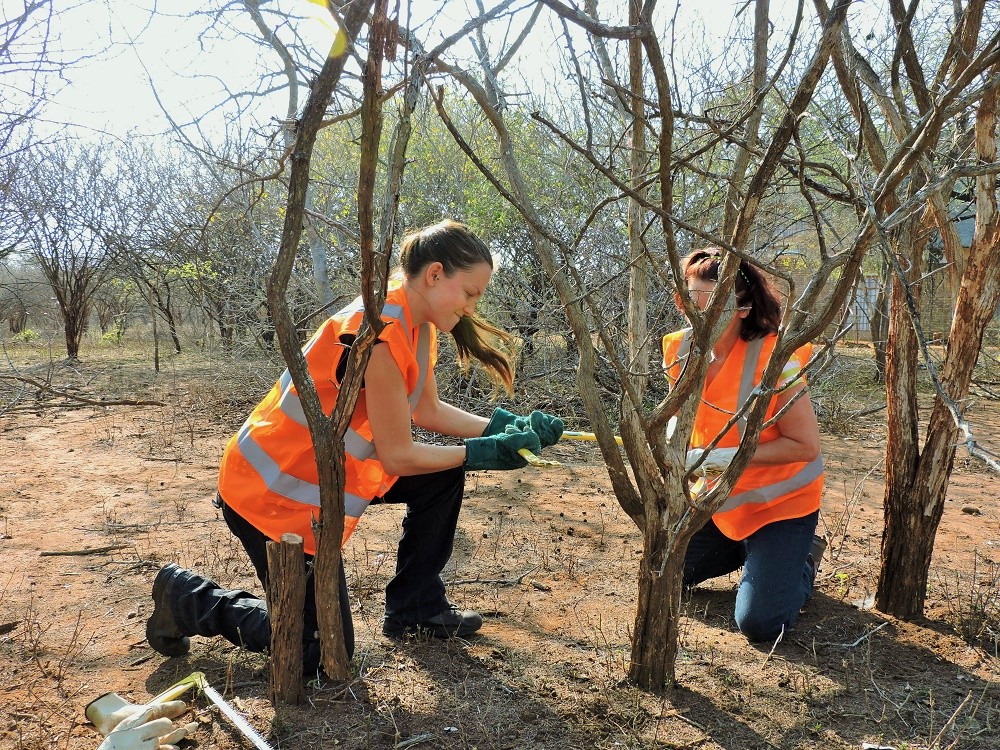
MARLOTH PARK – Residents and the Marloth Park Property Owners Association (MPPOA) were so concerned about the state of the flora in the park that they contacted an environmental specialist, Ralf Kalwa, for guidance on how to rehabilitate the veld. They raised the necessary funds for an assessment and management plan as there has been a lack of management for the past 10 years under the Nkomazi Local Municipality (NLM). Following Kalwa’s advice, a pilot project was started on August 11 by the Wildlife Task Force, a non-profit organisation comprising a group of dedicated people. Funds were raised by Marloth Wildlife Fund to purchase the machinery, tools and safety equipment for the bush clearing.
MMPOA has extended its thanks to property owners and visitors who donated to this cause. The project began in one of the worst bush-encroached parkland areas in Marloth Park. Sickle bush trees were marked with the assistance of André Engelbrecht, a resident with experience in conservation.
The following day volunteers and the Wildlife Task Force moved in and began cutting and stacking the bush on the ground to protect any dormant seeds from spreading, provide some shade and allow nutrients from the decomposing wood to return to the soil. Every week the task force and volunteers tackle more of the land. More than 100 trees have been felled and the stumps treated with arboreal herbicide to prevent them from growing again. GPS coordinates have been taken and the site is monitored with recordings of grasses, forbs and trees other than sickle bush on a fortnightly basis. The Marlothi Conservancy is assisting with the identification of the plants. The area is being divided into four sections and various methods of planting of indigenous grass seeds, recommended by Kalwa, are being used to determine the best option for the park. The first section is almost complete. They have been making seed bombs for this section. These are balls of grass seed mixed with clay and organic compost that protect the seeds from birds and wildlife and encases the seeds so that they germinate during the first rains. They have already started making the dung patties for the second section. Zebra dung is collected and moulded into patties with grass seed mixed in-between and then dried. These seeds will be planted in the ground in shallow trenches against the flow of the water drainage in the third section. The Wildlife Task Force has also been assisted by the NLM rangers who are thrilled about this initiative.