A history of Malalane: The building of a town
As there was no community hall in existence for church services and other activities, Dr Will Radley arranged for a meeting of interested parties to be held in the showroom of the Malelane Garage
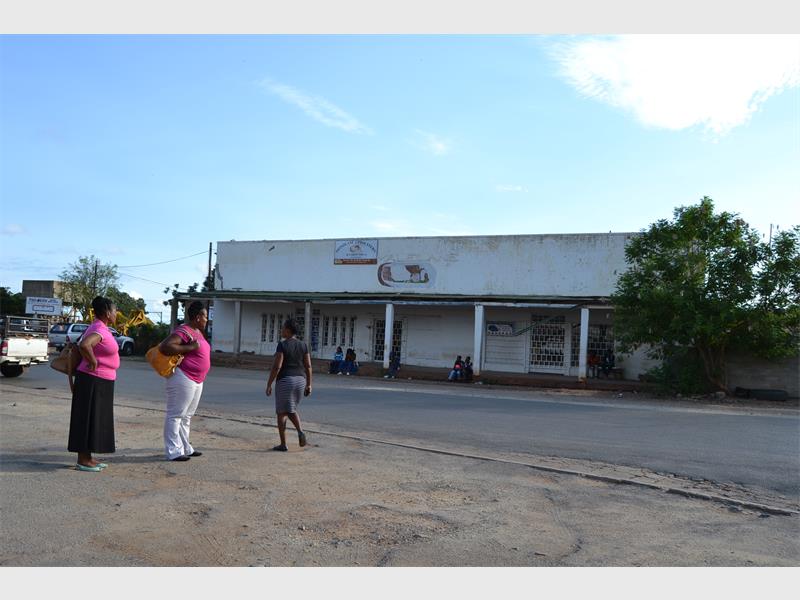
MALALANE – This is the third of four deliveries on the history of the town. This was adapted from the book by local historian, Hans Bornman Pioneers of the Lowveld first published 1995.
Local businessman and politician Rob Ferreira and his brother Martin founded the Malelane Development Company to pursue the application for the establishment of the town. It was officially established on July 6, 1949 and named Malelane. The first and only “street” – Stasieweg (Station Road) – was also the entrance from the national road to the station. While the National Roads team was busy with the construction and tarring of the road between Nelspruit and Komatipoort, Ferreira, member of provincial council for the area, arranged for the tarring of all roads to the station of Kaapmuiden, Malelane, Hectorspruit and Komatipoort. In this way Stasieweg was tarred – with the compliments of the state.
One of the establishment stipulations was that water be provided to the houses along Stasieweg as well as to at least three further points as suitable places for the convenience of the residents of the town. Water was from a borehole and pumped to a reservoir. In order to obtain this service stands had to be bought along Stasieweg, all others were sold without this amenity. Homeowners had to see to their own sewage and rubbish removal.
Nico Horn, who became a director of the Malelane Development Company and who was in control of the development of the town, established the first electricity scheme in the Malelane Garage for the town. A 75-kilowatt generator supplied electricity daily from 07:00 to 23:00 to homes, shops, a butchery and garage. This scheme continued until Eskom began to supply power to Malelane in 1962.
As there was no community hall in existence for church services and other activities, Dr Will Radley arranged for a meeting of interested parties to be held in the showroom of the Malelane Garage.
Cornelius Weyers donated the first £30 towards the building of the hall. Ferreira, as representative of Malelane Development Company, donated the stand for the building, through the negotiation and support of Lala de Villiers. Radley proposed that a building commission, for the building of the hall, be chosen. It consisted of Barry de Villiers, Fred Heuser, Piet Meyer and Radley. He was the architect and builder and designed a hall of 80 feet by 30 feet (approximately 25 metres by nine). The front gable was a replica of the Voortrekker (Pioneer) Church of the Covenant at Pietersburg.
This hall belonged to the Malelane Hall Committee and as Radley and Horn were the only remaining members of the original committee, they signed the necessary document granting the stand and hall to the Malelane Cane Grower Society, free of charge.