Passionate about sharing his decades-old dedication
Sello Maduma will soon be taking up a position as coach of the Bangladeshi national fencing team.
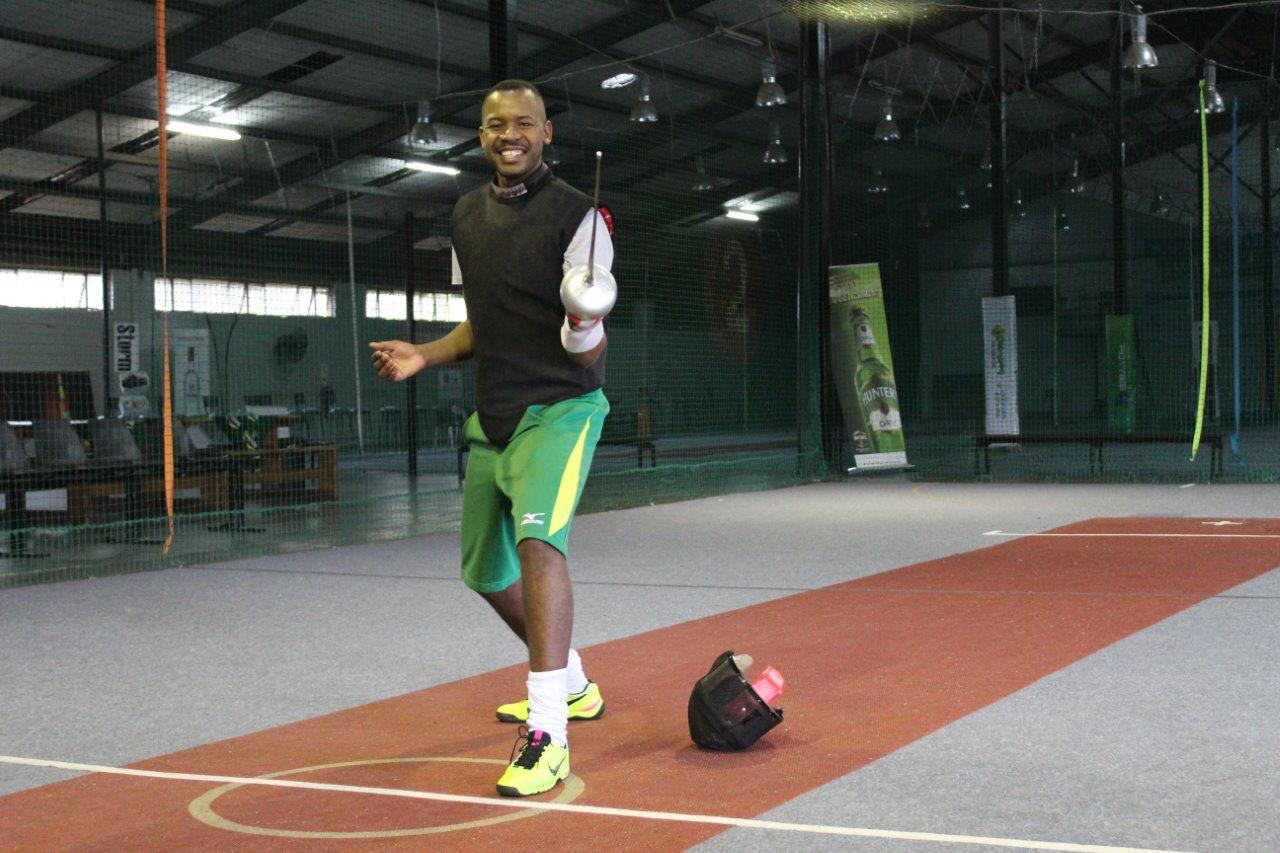
“When I was 12, I would never have thought that by 30 I would have been fencing for 18 years,” says Olympic fencer, Sello Maduma, of his career as one of the top swordsmen in the country.
Maduma, who has competed in both the 2008 and 2012 Olympic Games and is currently ranked third in South Africa, chatted to Lowvelder about his career and plans for the future on a recent visit to the Lowveld.
Maduma was visiting Mbombela to share his extensive knowledge of the sport, as part of an intensive three-day boot camp for the youngsters of the Mpumalanga Fencing Association.
Maduma’s passion for fencing and the development thereof is evident in the care he takes when working with each young swordsman.
Also read: Fierce fencer set to excel
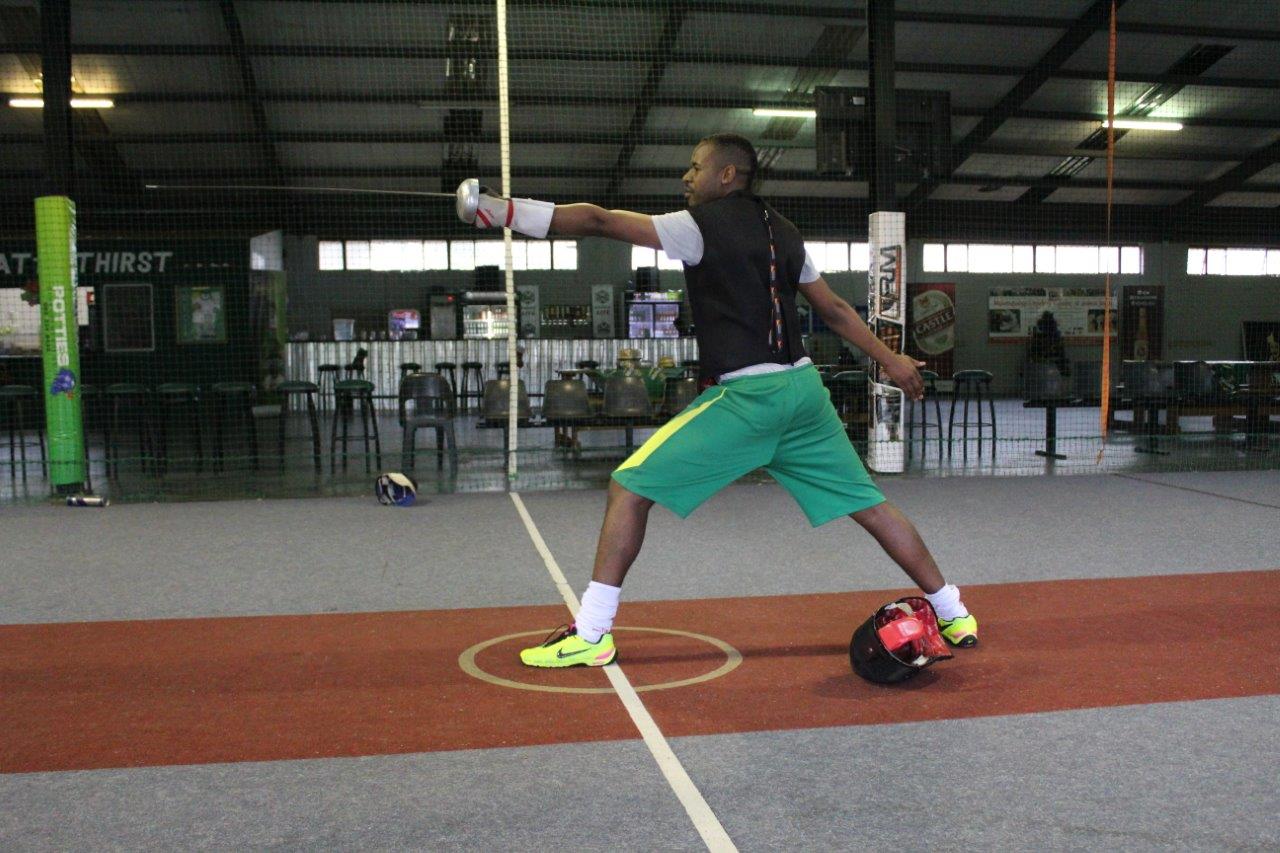
“When I was young I was far more interested in football than fencing, despite there being a fencing development club very close to my home in Mamelodi, where I grew up,” he says.
At first Maduma thought that fencing was a ridiculous sport, for people who liked to dress up in the rather odd-looking kit fencers are required to wear. He soon changed his mind when by chance he was asked to compete in a local tournament when a team member was unable to.
“I was with my friends who fenced, and on the day of a competition the team was short one person, so they asked me to join. They knew that I had been watching them practice for many days. I decided to go along, and after that first match I was hooked,” says Maduma, who nearly two decades later still seems just as passionate about the sport he fell in love with as a young boy.
“I think despite the thrill of the sport, the main reason for getting involved with the Mamelodi Fencing Club was that it gave me the opportunity to travel and see different cities in South Africa,” he says, recounting his steady rise to national junior champion and, a year later, an Olympian.
“When I was 16 I won my first medal for fencing. I think that made me realise that with hard work and focus I could take it further.”
Also read: Sakhile aims for Olympics
By 2007 he was selected to be part of the national junior fencing team and competed in the World Championships in Turkey. Following a solid performance in Turkey, he was selected to be part of the 2008 Olympic team.
“Going from local events to an international competition was huge for me, and I don’t think it all clicked in my head. When I stood there facing my first opponent at the Olympic games, then I realised what I had achieved,” says Maduma, who since then has been working on developing not only his career as fencer but also as a fencing coach.
“I never fenced because of the money. Only recently I was able to quit my day job to pursue my career as coach,” he says.
Maduma will be leaving for Bangladesh early in 2018 to start a job as the head coach of the Bangladeshi national fencing team.
His road to national coach, however, was not an easy one. It took many late nights of training and coaching to secure this position.
Also read: Fencers gain experience
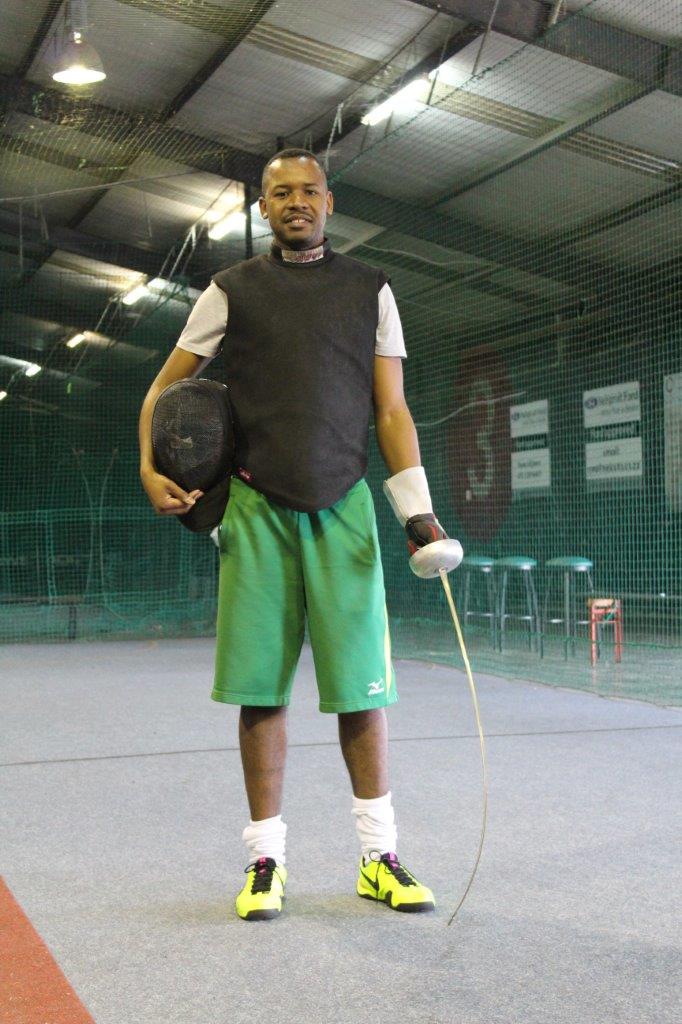
“Throughout my career as a fencer I worked full-time at the bank, holding a variety of positions, but that meant that I would only train and work on my coaching after hours,” he explains.
This, however, did not stop him from travelling across South Africa to share his skills and passion for the sport with eager youngsters.
“I regularly travel to clubs all over the country to spend time with the young fencers, to give back and plough back into the sport.”
To Maduma one of the most rewarding things about his career thus far has been to work alongside bright young athletes, and helping them to achieve their full potential in a sport most people regard as an elite pastime.
Also read: Competition showcases fencing talent
“I am very privileged to have gotten to where I am. I am very grateful to everyone that played a role in my development as fencer. So I always tell the younger fencers that one day my bones will be tired, and then they will be responsible to pay it forward and share the passion and skills,” he says.
“If someone hadn’t introduced me to the sport when I was a young boy, I would never have had the experiences I have had.”
“I think that’s one of the most important things to me: sharing my passion for the sport and introducing as many people to fencing as I can, so that one day they might be an
Olympic fencer.”